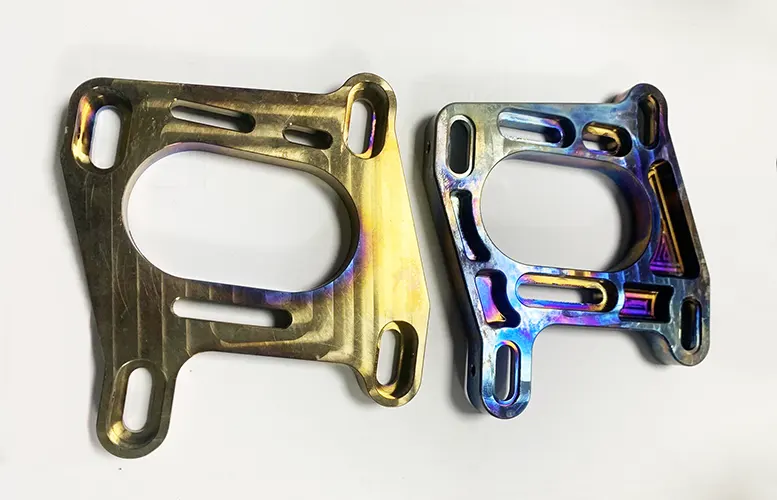
CNC Machining

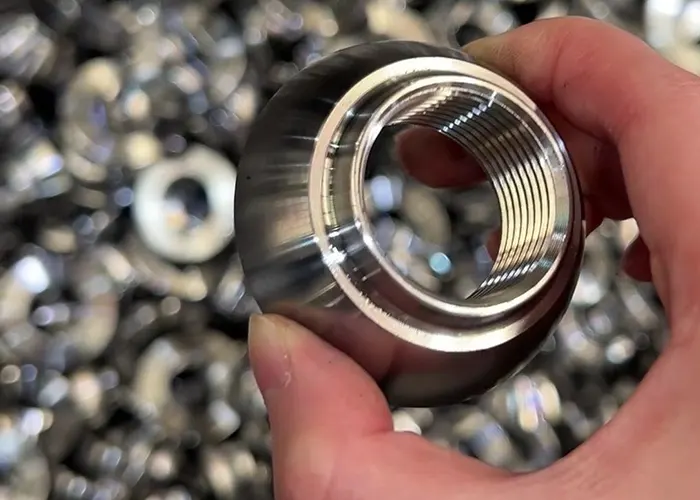
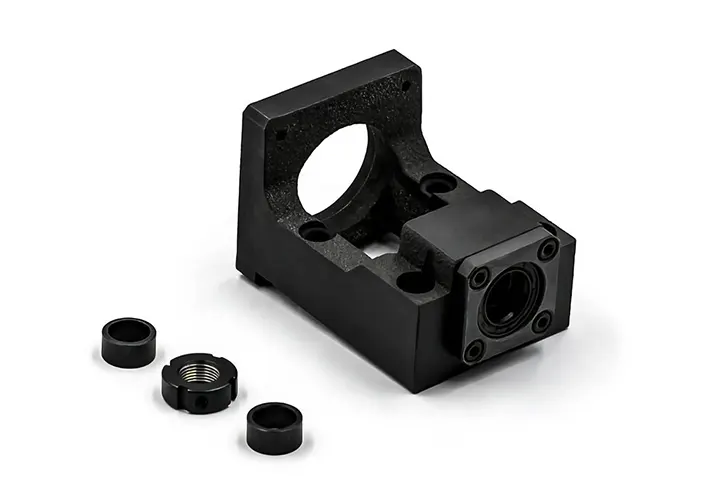
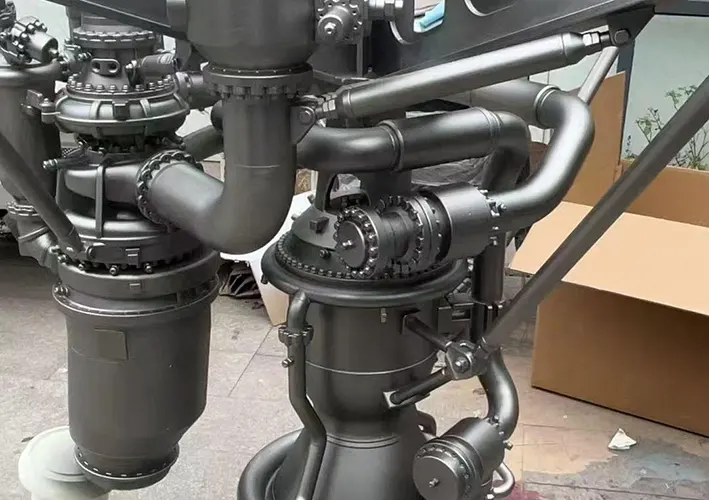
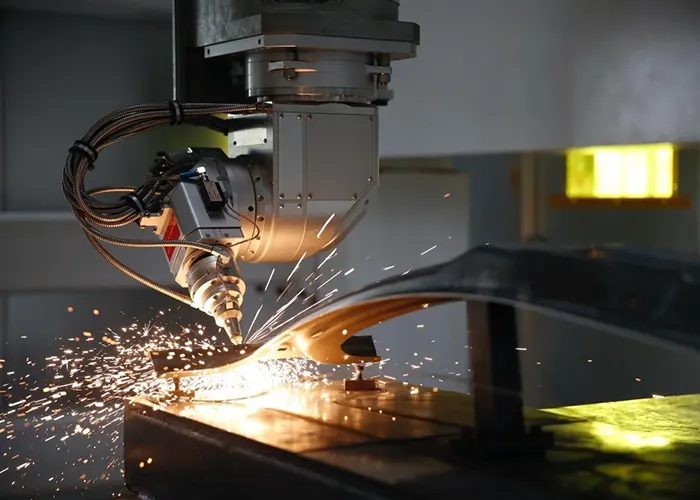
CNC Machining (Computer Numerical Control Machining) is a manufacturing process where computers control machine tools to precisely cut, shape, or remove material from a workpiece. It is one of the most widely used methods for producing high-precision metal and plastic parts across industries such as aerospace, automotive, medical devices, electronics, robotics, and more.


Simple Definition

CNC machining uses computer programs (G-code) to tell machines exactly how to move, how fast to cut, and what shape to produce. Because of this, CNC machines can produce complex geometries with extreme accuracy and repeatability.


How CNC Machining Works

  1. Design the part
    A 3D model is created using CAD software.

  2. Generate toolpaths
    CAM software converts the design into cutting instructions (G-code).

  3. Machine executes the code
    CNC machines—like milling machines, lathes, routers, EDM machines—follow the code to remove material and create the final part.


Key Advantages

  • High precision & tight tolerances (±0.001 in / ±0.025 mm or better)

  • Excellent repeatability for mass or batch production

  • Works with many materials (aluminum, steel, titanium, plastics, copper, etc.)

  • Ability to create complex shapes

  • Fast turnaround for prototypes & production

  • Stable quality and minimal human error


Common CNC Machining Processes

  • CNC Milling – rotating cutting tools remove material in multiple axes

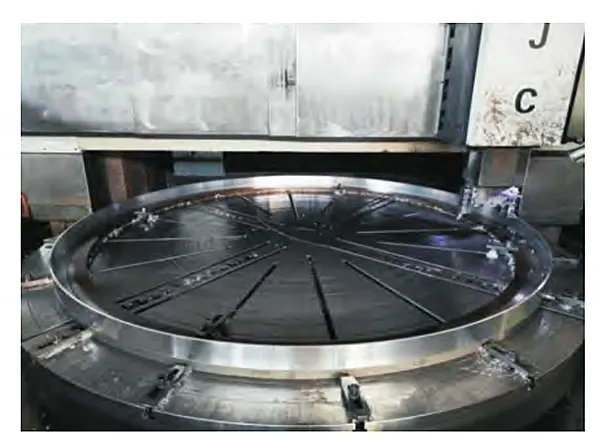
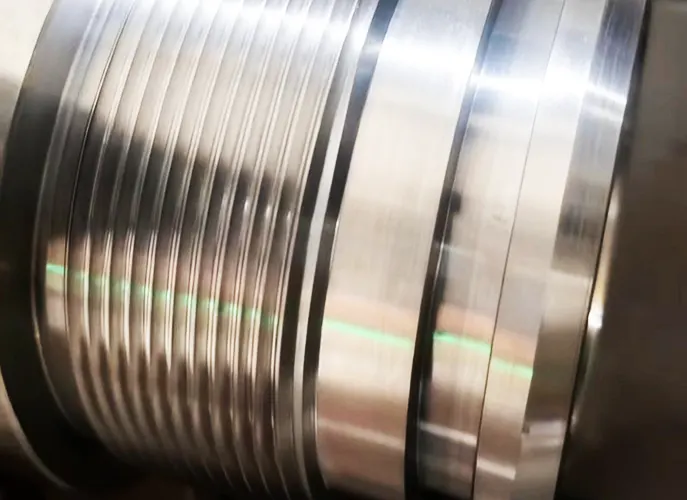
  • CNC Turning – material rotates while a stationary tool cuts it

  • 5-Axis CNC Machining – allows machining from multiple angles in one setup

  • CNC Drilling – precise hole making

  • EDM (Electrical Discharge Machining) – machining hardened steels and complex cavities


Where CNC Machining Is Used

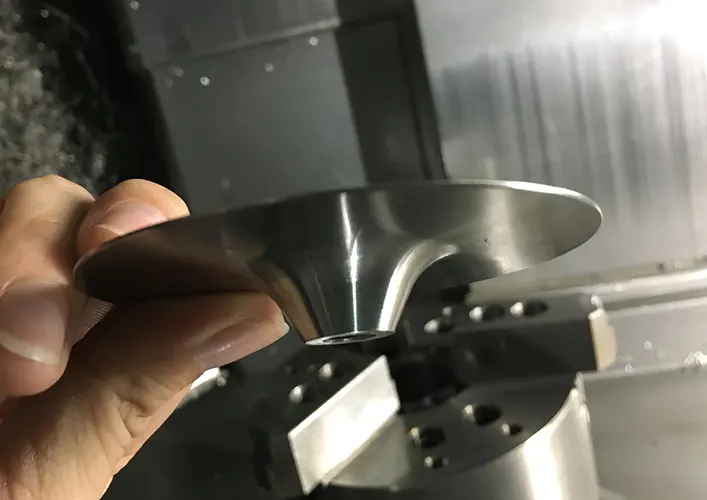
  • Aerospace components (brackets, housings, impellers)

  • Automotive parts (engine blocks, gears, custom components)

  • Medical parts (implants, surgical tools)

  • Electronics (heat sinks, enclosures)

  • Robotics and automation systems

  • Industrial machinery components

Filter posts by category

Advanced Five-Axis CNC Machining of Complex Pump Body Components

Table of Contents Five-axis CNC machining technology has emerged as a key technique for achieving high-precision, high-efficiency manufacturing due to its multi-axis interpolation capability and ability to complete complex surface machining in a single setup [1]. Particularly when processing complex components featuring deep cavities, irregular surfaces, and high-precision hole patterns, traditional three-axis machining requires multiple

Advanced Five-Axis CNC Machining of Complex Pump Body Components Read More »

design diagram

How Heat Treatment Process Optimization Enhances Automotive Crankshaft Fatigue Strength?

This study optimizes heat treatment parameters for forged steel crankshafts to improve fatigue strength under high-load engine conditions. By controlling heating, soaking, and zone-specific polymer quenching, a refined martensitic structure and stable residual compressive stresses are achieved, significantly enhancing fatigue resistance and service reliability.

How Heat Treatment Process Optimization Enhances Automotive Crankshaft Fatigue Strength? Read More »

Auto Crankshaft

Next-Generation Turning and Milling Solutions for Large Rotor Shaft Manufacturing

Currently, the MAZAK E670H 6000U-6 m and 4000U-4 m turning-milling composite machines are 7-axis, 5-interpolation turning-milling composite machines. They integrate turning, milling, drilling, boring, and long-spindle functions, enabling shorter manufacturing process chains and enhanced production efficiency.

Next-Generation Turning and Milling Solutions for Large Rotor Shaft Manufacturing Read More »

turning milling
Scroll to Top