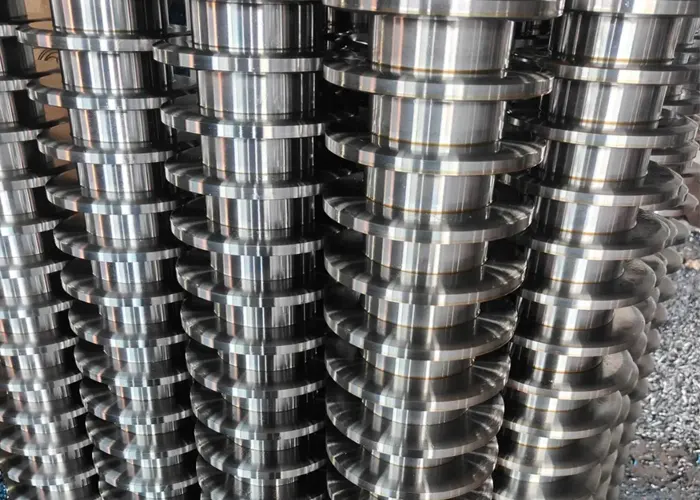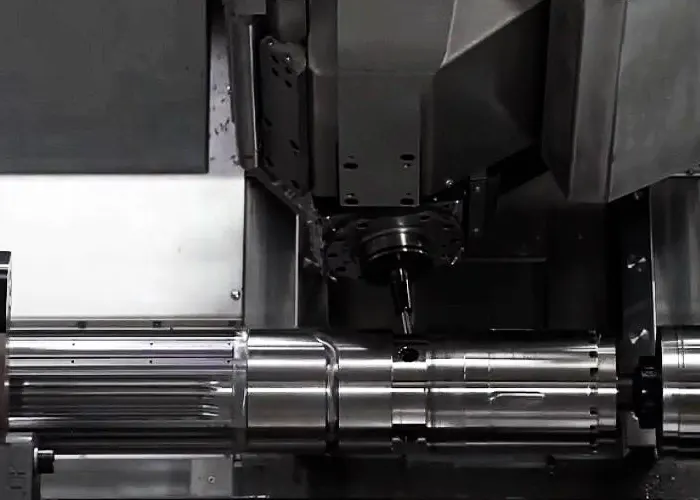
Titanium Alloy Sealing Surface Machining: Precision Grinding and Polishing for Leak-Tight Performance
Titanium alloys offer a range of advantages, including low density, high specific strength, and excellent corrosion resistance.
At present, graphite is widely used as a material that is easy to machine, and due to its favorable machining properties, processes such as turning, milling, and grinding are commonly employed in its fabrication.
Learn how 6061 aluminum heat sink machining overcomes deformation and chatter in ultra-thin fins.
Explore CNC machining for complex-surface parts, including process design challenges, intelligent manufacturing trends, and advanced optimization strategies to improve precision, efficiency, and cost control.
Currently, most molds used to manufacture O-rings feature a 45° parting line. The inner ring grooves are machined using forming cutters that match the dimensions of the grooves.
As we enter a new era, the pace of economic development is accelerating, and people’s quality of life continues to improve. Our reliance on electronic products in daily life and work is growing stronger, and these products have become an indispensable part of our daily lives.
CNC Laser Engraving in Precision Electronics: High-Accuracy Manufacturing Solutions Read More »
Due to their low density, lightweight yet high-strength properties, and excellent corrosion resistance, aluminum alloys play a significant role in industries such as aerospace and automotive manufacturing.
Aluminum Alloy Machining Deformation: Causes and Effective Control Strategies Read More »
The rear cover of a robotic arm is a typical thin-walled component. The machining of such parts places extremely high demands on machine tools, cutting tools, and machining processes.
Thin-Walled CNC Machining: High-Speed Milling Strategies for Robotic Arm Rear Covers Read More »
This article analyzes the critical factors affecting machining precision in automotive component manufacturing, including turning, milling, and grinding processes.
Surface quality control is essential for ensuring the performance, reliability, and appearance of aluminum alloy structural components in aerospace manufacturing. This article discusses technical standards,..