which directions can a 5 axis cnc machine?
TonZaMaking
Introduction
The evolution of CNC machining has significantly transformed the manufacturing industry, enabling precise and efficient production processes.
Among the various types of CNC machines available, the 5-axis CNC machine stands out for its unparalleled versatility and capability to execute complex machining operations.
Movement Directions of a 5-Axis CNC Machine
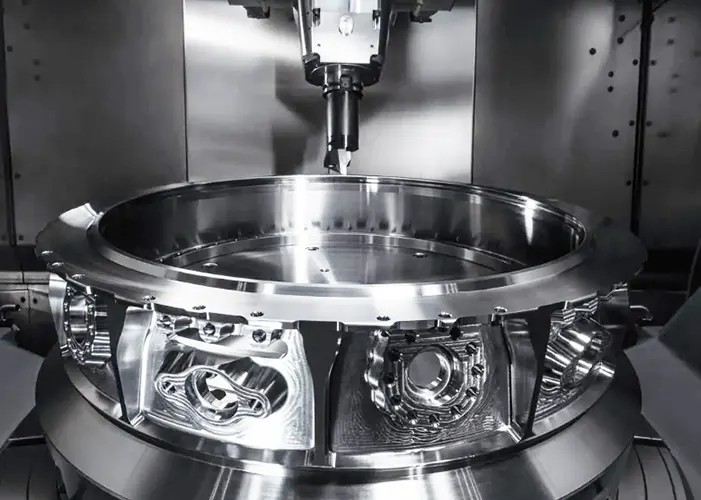
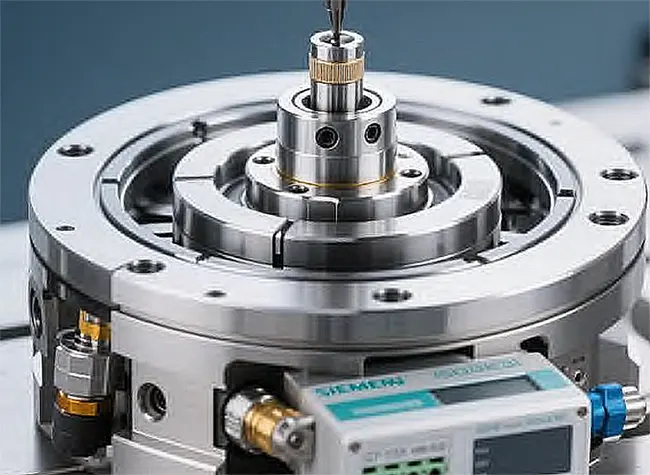
Unlike traditional 3-axis or 4-axis CNC machines, a 5-axis CNC machine offers five distinct directions of movement, enabling it to access machining surfaces from multiple angles. The five directions of movement include:
- X-Axis: The X-axis represents the horizontal movement of the machine’s spindle along the workpiece. It allows for side-to-side motion, enabling the machine to reach different points on the workpiece.
- Y-Axis: The Y-axis corresponds to the machine’s vertical movement, facilitating up-and-down motion of the spindle. This axis enables the machine to access various heights on the workpiece.
- Z-Axis: The Z-axis signifies the depth-wise movement of the spindle, allowing it to penetrate the workpiece and perform drilling or milling operations.
- A-Axis: The A-axis, also known as the rotary axis, enables the spindle to rotate around the X-axis. This rotational movement provides the machine with additional flexibility to approach the workpiece from different angles.
- B-Axis: The B-axis, another rotary axis, allows the spindle to rotate around the Y-axis. Similar to the A-axis, the B-axis enables the machine to tilt and position the tool at varying angles for intricate machining tasks.
The combination of these five axes of movement empowers the 5-axis CNC machine to perform complex operations with precision and efficiency.
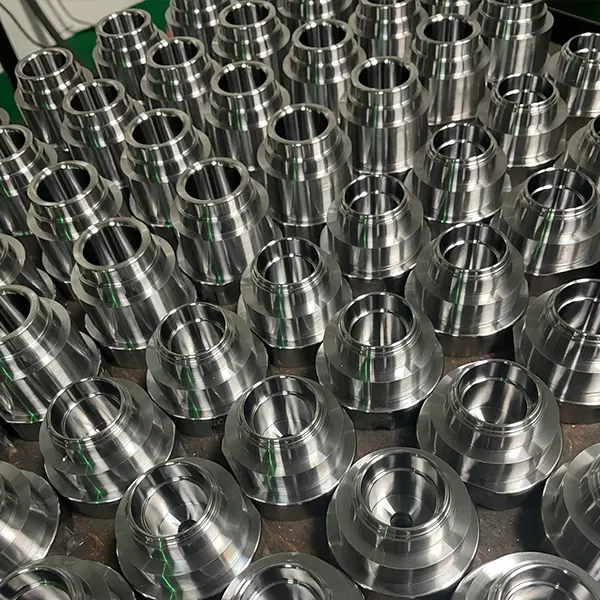
By accessing the workpiece from multiple directions, the machine can reduce setup times, enhance surface finish quality, and achieve intricate geometric designs that were previously unattainable with traditional machining methods.
Benefits of a 5-Axis CNC Machine
Utilizing a 5-axis CNC machine offers numerous advantages for engineers and manufacturers seeking to optimize their machining processes. Some key benefits of a 5-axis CNC machine include:
- Enhanced Precision: The multi-directional movement of a 5-axis CNC machine enables it to approach the workpiece from various angles, resulting in greater precision and accuracy in machining operations.
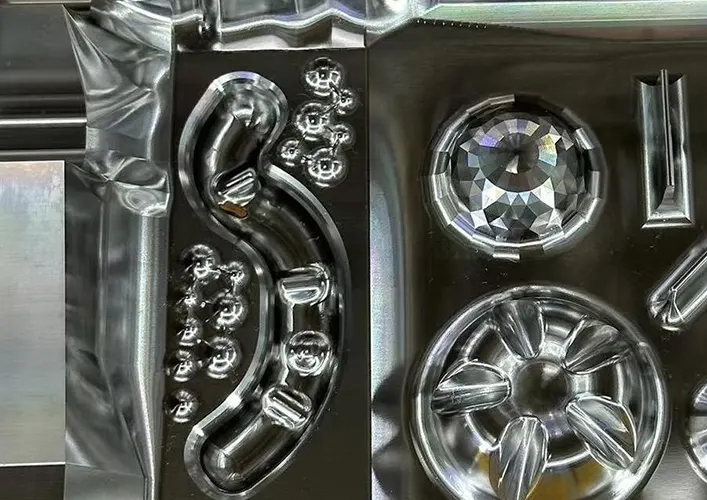
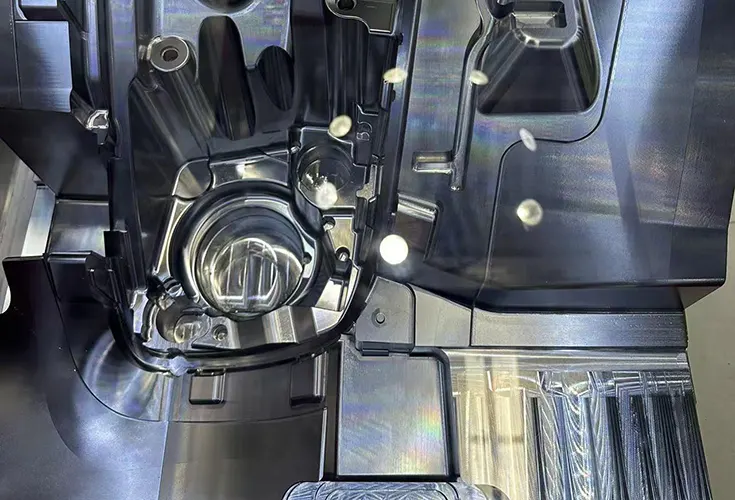
- Complex Geometric Machining: With the ability to tilt and rotate the spindle, a 5-axis CNC machine can easily tackle complex geometric shapes and contours that would be challenging for traditional machines to replicate.
- Reduced Setup Time: The flexibility of a 5-axis CNC machine allows for machining tasks to be completed in a single setup, eliminating the need for multiple tool changes and setups, thereby reducing overall production time.
- Improved Surface Finish: By accessing the workpiece from different angles, a 5-axis CNC machine can achieve smoother surface finishes and finer details, enhancing the overall quality of the machined part.
- Increased Efficiency: The versatility of a 5-axis CNC machine enables it to perform a wide range of machining operations in one setup, leading to improved efficiency and productivity for manufacturers.
- Cost Savings: While a 5-axis CNC machine may have a higher initial investment cost, its ability to reduce setup times, enhance precision, and improve efficiency can result in long-term cost savings for manufacturers.
Conclusion
In conclusion, the 5-axis CNC machine represents a technological advancement in the field of CNC machining, offering a wide range of movement directions and capabilities that enable engineers and manufacturers to achieve remarkable precision and efficiency in their machining processes.
By utilizing the five axes of movement effectively, the 5-axis CNC machine can tackle complex parts, reduce setup times, and enhance surface finish quality, ultimately leading to improved productivity and cost savings for manufacturing operations.
As technology continues to evolve, the 5-axis CNC machine will undoubtedly play a pivotal role in shaping the future of manufacturing.