
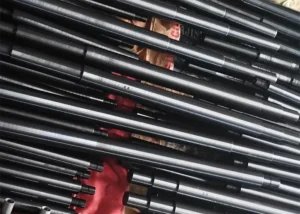
How do you remove excess metal or burrs from an EDM-machined hole?
TonZaMaking
How to Remove Excess Metal or Burrs from an EDM-Machined Hole
Electrical Discharge Machining (EDM) is a commonly used manufacturing process that involves the use of electrical sparks to erode metal and create intricate shapes or holes. However, after an EDM-machined hole is created, it is common for there to be excess metal or burrs left behind. Now here is serveral common methods to remove it.
Deburring Tools
Deburring tools are specifically designed to remove burrs and sharp edges left behind after machining processes like EDM. These tools come in various shapes and sizes to accommodate different hole sizes and shapes.
When using a deburring tool, it is essential to follow the manufacturer’s instructions and apply consistent pressure to ensure a uniform deburring process.
Sanding or Grinding
Sanding or grinding the edges of an EDM-machined hole can also help in removing excess metal and burrs. Using sandpaper or a grinding wheel with the appropriate grit size can smooth out rough edges and create a clean finish.
It is crucial to use the right technique to prevent damaging the hole or creating new burrs in the process.
Chemical Deburring
Chemical deburring is a process that involves using chemical solutions to dissolve excess metal or burrs from a machined hole. This method is particularly useful for removing burrs from hard-to-reach areas or holes with complex geometries.
However, it is essential to follow safety guidelines when working with chemical solutions and to properly dispose of any hazardous waste generated during the process.
Ultrasonic Cleaning
Ultrasonic cleaning uses high-frequency sound waves to remove contaminants from the surface of a part. This method can be effective in removing small burrs or particles left behind after EDM machining.
By immersing the machined part in a cleaning solution and subjecting it to ultrasonic waves, excess metal can be gently removed without damaging the surface finish of the part.
Thermal Deburring
Thermal deburring, also known as flame deburring, utilizes a combination of heat and oxygen to remove burrs from metal surfaces. This process involves exposing the machined part to a high-temperature flame, which oxidizes and vaporizes the excess metal.
Thermal deburring is a fast and effective method for removing burrs from EDM-machined holes, but caution must be taken to prevent overheating and warping of the part.
Electrochemical Deburring
Electrochemical deburring is a process that involves passing an electrical current through an electrolyte solution to dissolve excess metal from a machined part.
This method is particularly effective for removing burrs from hard-to-reach areas or intricate hole geometries.
Electrochemical deburring can produce precise results and is commonly used in the aerospace and medical industries for high-precision machining applications.
Conclusion
Removing excess metal or burrs from an EDM-machined hole is a crucial step in ensuring the quality and functionality of the final part.
By utilizing the appropriate deburring methods such as deburring tools, sanding or grinding, chemical deburring, ultrasonic cleaning, thermal deburring, and electrochemical deburring, engineers can achieve a clean and burr-free finish.
It is essential to consider the specific requirements of the part and choose the most suitable deburring method to achieve optimal results.
1 thought on “How do you remove excess metal or burrs from an EDM-machined hole?”
Nailed it.