
Do machine shops tap and thread bolt holes after drilling?
TonZaMaking
Do Machine Shops Tap and Thread Bolt Holes After Drilling?
When it comes to manufacturing and engineering, precision is key. One of the critical processes in creating mechanical components is drilling bolt holes. However, the question arises: do machine shops tap and thread bolt holes after drilling?
Drilling Bolt Holes
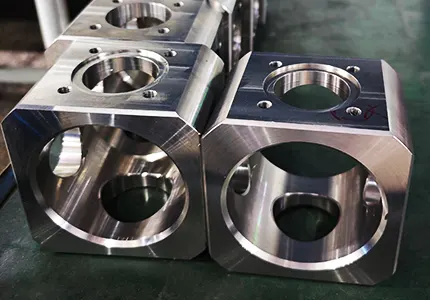
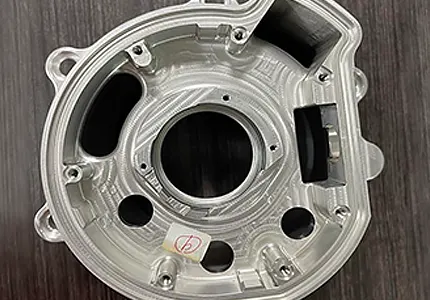
Drilling bolt holes is a fundamental process in manufacturing. It involves creating precise holes in metal components to accommodate bolts or screws.
The drill bit used must be carefully selected based on the material being drilled and the desired hole size. Once the holes are drilled, they are typically left as through-holes without any threading.
Why Tap and Thread Bolt Holes After Drilling?
While drilling creates the initial hole for the bolt, tapping and threading are necessary to ensure a secure and reliable connection.
Tapping involves cutting threads inside the hole to allow a bolt to screw in tightly. This creates a strong bond between the bolt and the component, preventing loosening and potential failure.
Threading, on the other hand, involves using a die to cut external threads on the bolt itself. This ensures that the bolt can securely fasten to the component without any play or movement.
Threading also allows for adjustments in tightness and torque, making it easier to assemble and disassemble components as needed.
The Importance of Tapping and Threading Bolt Holes
There are several reasons why machine shops tap and thread bolt holes after drilling. Firstly, it ensures consistency in the assembly process.
By tapping and threading all bolt holes, manufacturers can guarantee that each component will fit together seamlessly without any compatibility issues.
Secondly, tapping and threading bolt holes increase the overall strength and integrity of the connection. By creating threads that match precisely with the bolt, the load is distributed evenly, reducing the risk of stress concentration and potential failures under heavy loads.
Additionally, tapping and threading bolt holes allow for greater flexibility in design. By using standardized threads, manufacturers can easily replace bolts or components without having to re-drill new holes.
This simplifies maintenance and repairs, saving time and resources in the long run.
Challenges and Considerations
While tapping and threading bolt holes offer numerous benefits, there are also challenges to consider.
One of the main issues is the risk of misalignment during the tapping process. If the threads are not cut perfectly straight, it can lead to poor fitment and weak connections.
Another consideration is the choice of tapping and threading tools. It is crucial to select the right taps and dies based on the material and size of the bolt holes.
Using the wrong tools can result in damaged threads or even breakage, compromising the integrity of the components.
Conclusion
In conclusion, tapping and threading bolt holes after drilling is a critical step in the manufacturing process.
It ensures secure and reliable connections, enhances the strength of components, and offers greater flexibility in design. While there are challenges and considerations to keep in mind, the benefits of tapping and threading far outweigh the potential risks.
Machine shops that prioritize precision and quality will always tap and thread bolt holes to guarantee the best results for their customers.

1 thought on “Do machine shops tap and thread bolt holes after drilling?”
Engineers should read this before designing anything.