

Can I add a 4th axis to any CNC machine?
TonZaMaking
When it comes to CNC machining, precision and efficiency are key factors in achieving successful manufacturing processes. CNC machines are known for their ability to produce complex parts with high accuracy and repeatability.
However, there are instances where adding a 4th axis to a CNC machine can greatly enhance its capabilities.
Factors to Consider Before Adding a 4th Axis
Before deciding to add a 4th axis to a CNC machine, engineers with a manufacturing background should consider several factors:
- Compatibility: Not all CNC machines are designed to accommodate a 4th axis. It is essential to check the compatibility of the machine and ensure that it can support the additional axis.
- Cost: Adding a 4th axis to a CNC machine can be a significant investment. Engineers should carefully weigh the cost of implementation against the potential benefits it will provide.
- Training: Operating a CNC machine with a 4th axis requires additional training and expertise. Engineers may need to undergo specialized training to effectively use the new capabilities.
- Workflow: Introducing a 4th axis may impact the overall workflow of the manufacturing process. Engineers should assess how the addition of the axis will affect production efficiency and throughput.
Potential Benefits of Adding a 4th Axis
Despite the considerations mentioned above, there are several potential benefits to adding a 4th axis to a CNC machine:
- Increased Capability: The ability to machine complex geometries and features opens up new opportunities for producing intricate parts that would be challenging with only three axes.
- Improved Efficiency: With the added flexibility of a 4th axis, engineers can reduce the number of setups and tool changes required to complete a part, leading to time and cost savings.
- Enhanced Accuracy: A 4th axis allows for more precise machining of intricate features, resulting in higher accuracy and tighter tolerances in the final product.
- Expanded Market Opportunities: By offering capabilities for machining complex parts, adding a 4th axis can help manufacturers tap into new markets and attract a wider range of customers.
Considerations for Implementing a 4th Axis
When implementing a 4th axis on a CNC machine, engineers should follow these best practices:
- Consult with a Specialist: Seek advice from a specialist or vendor who has experience in adding 4th axes to CNC machines. They can provide guidance on the best approach for your specific machine and requirements.
- Integration: Ensure that the 4th axis is seamlessly integrated with the existing CNC machine controls and software to avoid compatibility issues and ensure smooth operation.
- Calibration: Properly calibrate the 4th axis to ensure accurate and repeatable machining results. Regular calibration and maintenance are essential for optimal performance.
- Training: Provide training for operators and programmers on how to use the 4th axis effectively. Familiarize them with the new capabilities and best practices for programming and machining with the additional axis.
Conclusion
In conclusion, adding a 4th axis to a CNC machine can significantly enhance its capabilities and open up new possibilities for engineers in manufacturing.
While there are considerations to take into account, such as compatibility, cost, and training, the potential benefits of increased capability, efficiency, accuracy, and market opportunities outweigh the challenges.
By following best practices and seeking expert advice, engineers can successfully implement a 4th axis and take their CNC machining operations to the next level.
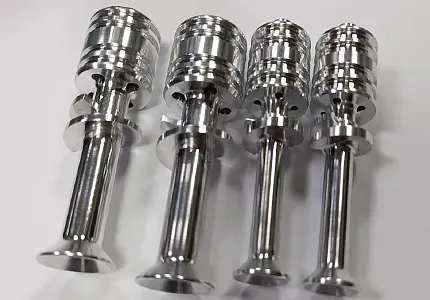
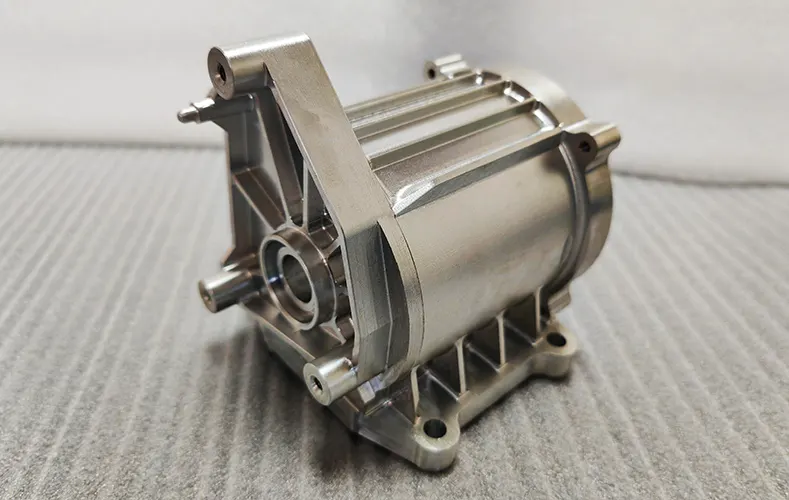


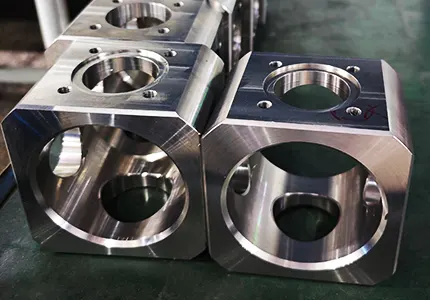
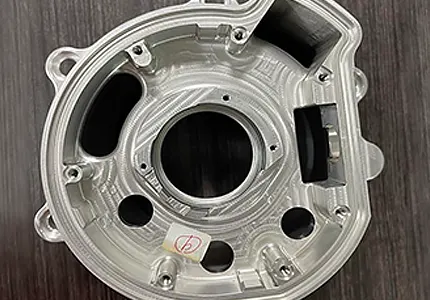
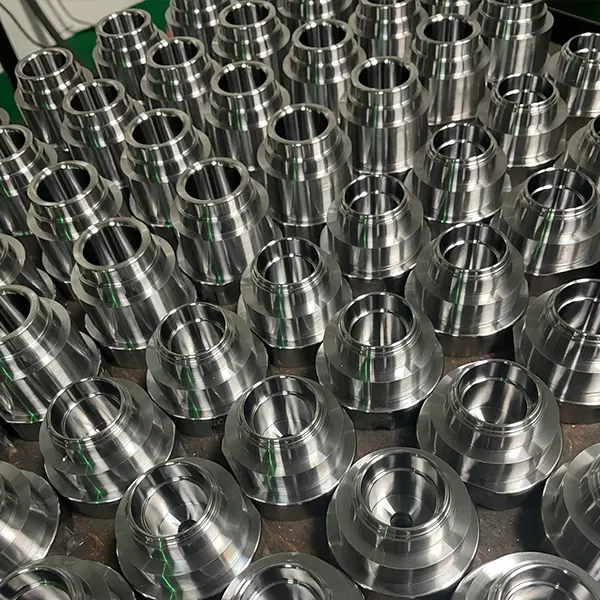
4 axis
what is 4 axis cnc machine?
4 axis