CNC Machining

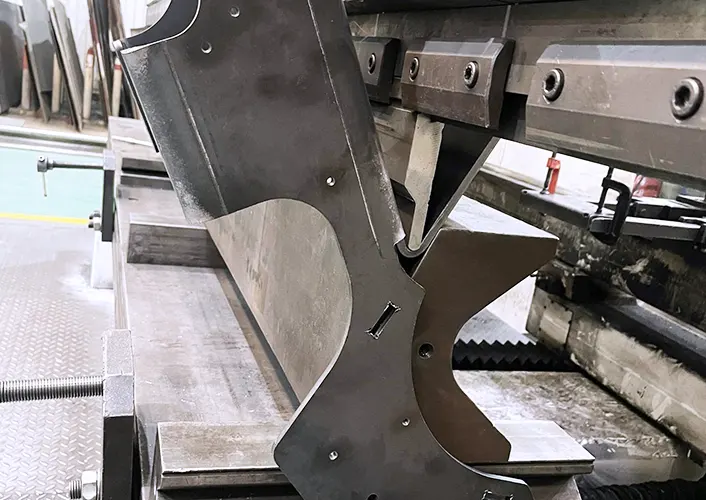
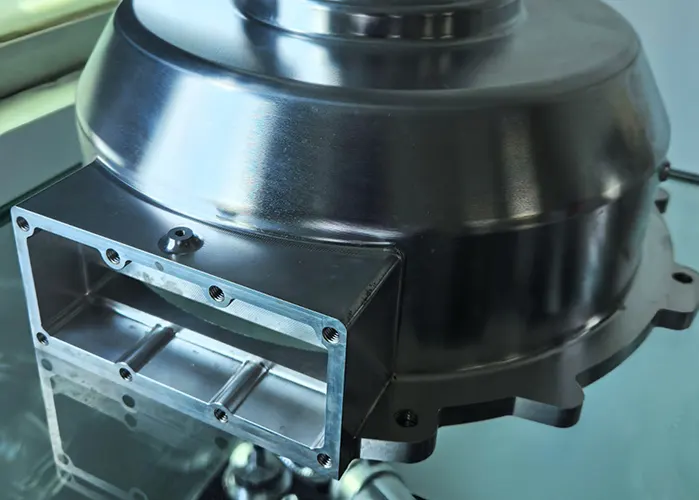
CNC Machining (Computer Numerical Control Machining) is a manufacturing process where computers control machine tools to precisely cut, shape, or remove material from a workpiece. It is one of the most widely used methods for producing high-precision metal and plastic parts across industries such as aerospace, automotive, medical devices, electronics, robotics, and more.


Simple Definition

CNC machining uses computer programs (G-code) to tell machines exactly how to move, how fast to cut, and what shape to produce. Because of this, CNC machines can produce complex geometries with extreme accuracy and repeatability.


How CNC Machining Works

  1. Design the part
    A 3D model is created using CAD software.

  2. Generate toolpaths
    CAM software converts the design into cutting instructions (G-code).

  3. Machine executes the code
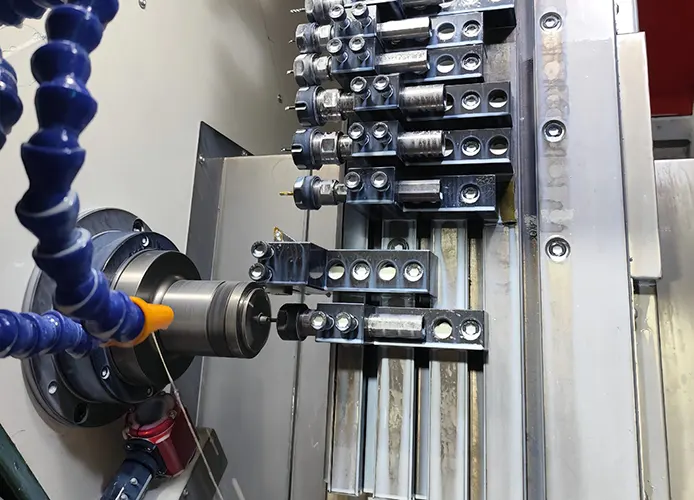
    CNC machines—like milling machines, lathes, routers, EDM machines—follow the code to remove material and create the final part.


Key Advantages

  • High precision & tight tolerances (±0.001 in / ±0.025 mm or better)

  • Excellent repeatability for mass or batch production

  • Works with many materials (aluminum, steel, titanium, plastics, copper, etc.)

  • Ability to create complex shapes

  • Fast turnaround for prototypes & production

  • Stable quality and minimal human error


Common CNC Machining Processes

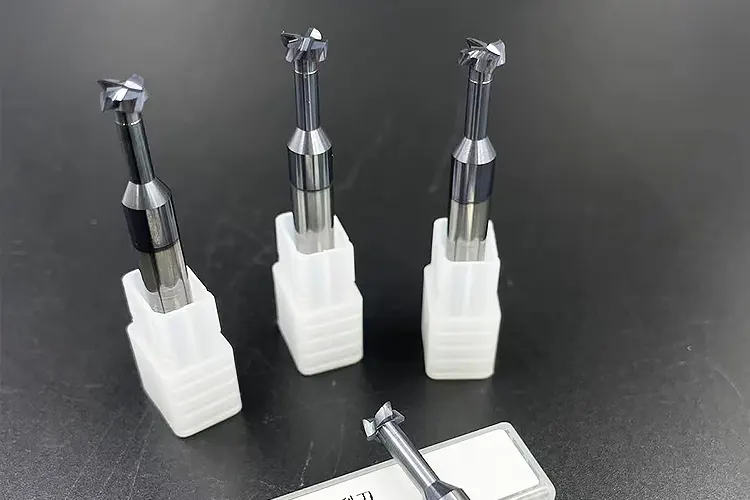
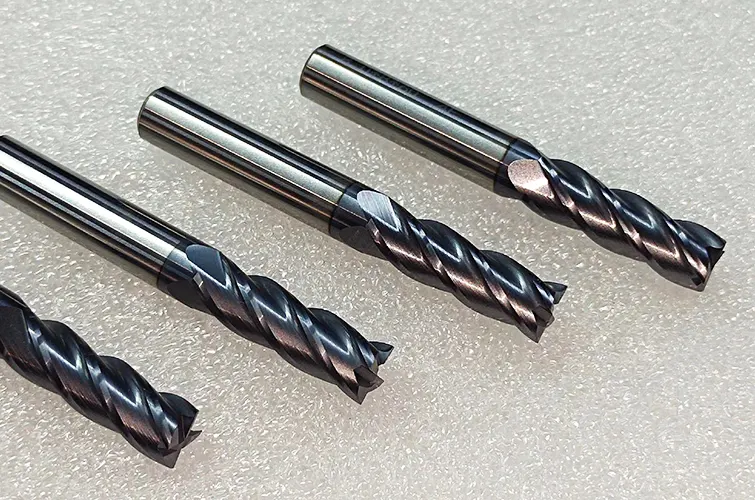
  • CNC Milling – rotating cutting tools remove material in multiple axes

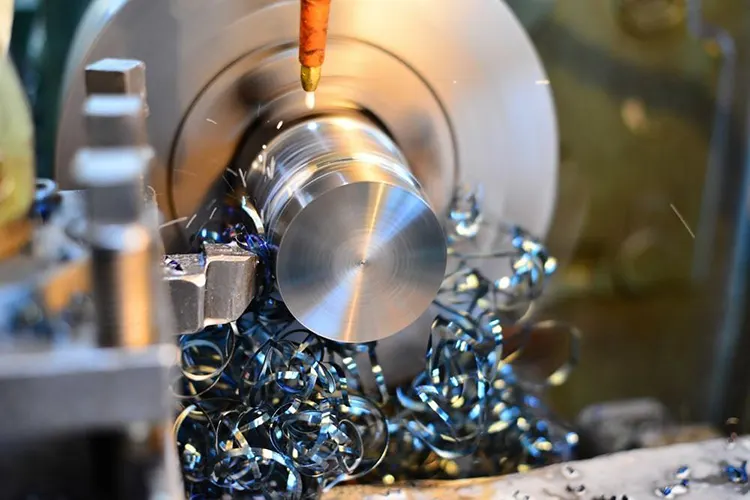
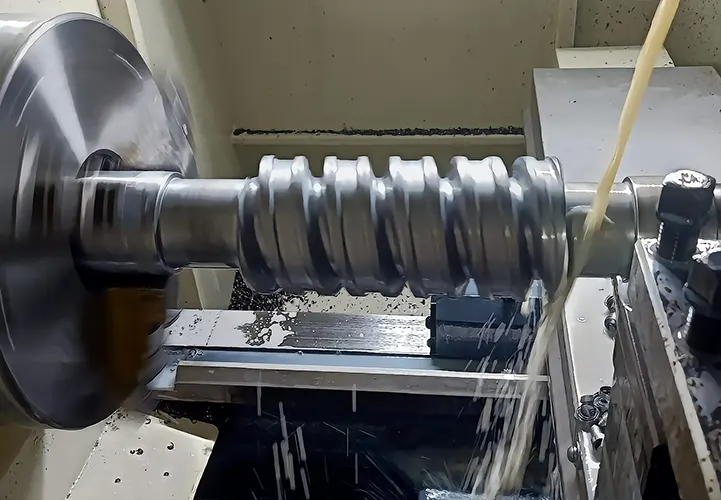
  • CNC Turning – material rotates while a stationary tool cuts it

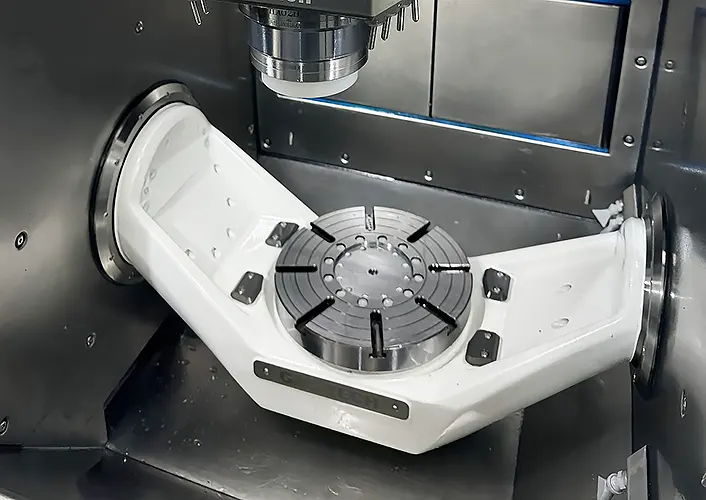
  • 5-Axis CNC Machining – allows machining from multiple angles in one setup

  • CNC Drilling – precise hole making

  • EDM (Electrical Discharge Machining) – machining hardened steels and complex cavities


Where CNC Machining Is Used

  • Aerospace components (brackets, housings, impellers)

  • Automotive parts (engine blocks, gears, custom components)

  • Medical parts (implants, surgical tools)

  • Electronics (heat sinks, enclosures)

  • Robotics and automation systems

  • Industrial machinery components

Filter posts by category

What is the process design of intelligent CNC machining center?

Complex parts typically feature intricate structures, cumbersome manufacturing processes, and stringent precision requirements, making traditional process design inadequate to meet these demands.
With the rapid development of technologies such as artificial intelligence, big data, and the Internet of Things (IoT), intelligent technologies have provided new solutions for the manufacturing of complex parts.

What is the process design of intelligent CNC machining center? Read More »

CNC machining center

Precision Unleashed: Advanced Parameter Tuning for Superior CNC Machining Accuracy

With the manufacturing industry’s increasing demand for product precision, CNC metal cutting machining has become a core process in modern production.The accuracy of CNC metal cutting machining is not only related to the quality of the product, but also directly affects the production efficiency and manufacturing costs.

Precision Unleashed: Advanced Parameter Tuning for Superior CNC Machining Accuracy Read More »

CNC machining

Why does interrupted turning cause carbide insert chipping?

In the machining industry, when turning hard materials, many beginners will face a problem, that is, the turning inserts are easy to chipping, bringing great difficulties to the turning process.

To become a qualified machining operator, must understand and solve this problem, which is the key to improve the technical experience. It is also a way to improve work efficiency.

Why does interrupted turning cause carbide insert chipping? Read More »

turning metal parts
Scroll to Top