
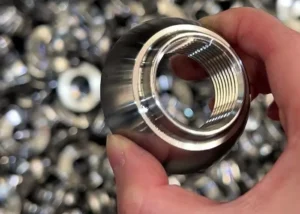
What is 4 axis cnc machine?
TonZaMaking
Understanding 4 Axis CNC Machines
In the world of manufacturing, precision and efficiency are key factors that drive success. One technology that has revolutionized the industry is the 4 axis CNC machine. CNC, or Computer Numerical Control, machines have transformed the way products are designed and produced.
What is a 4 Axis CNC Machine?
A 4 axis CNC machine is a machining tool that operates on four different axes simultaneously. Traditional CNC machines operate on three axes – X, Y, and Z – to perform cutting and shaping operations.
The addition of a fourth axis enables more complex and intricate machining capabilities, allowing for greater flexibility and precision in manufacturing processes.
The Four Axes Explained
Let’s break down the four axes of a 4 axis CNC machine:
1. X-Axis: This axis moves horizontally from left to right, providing movement along the length of the workpiece.
2. Y-Axis: The Y-axis moves vertically, offering movement along the width of the workpiece.
3. Z-Axis: The Z-axis moves vertically, allowing for the up-and-down movement necessary for cutting and shaping the workpiece.
4. A-Axis: The A-axis is the fourth rotational axis, enabling the workpiece to be rotated along a specific axis. This rotational capability adds a new dimension to the machining process, allowing for more intricate designs and complex shapes to be created.
Applications of 4 Axis CNC Machines
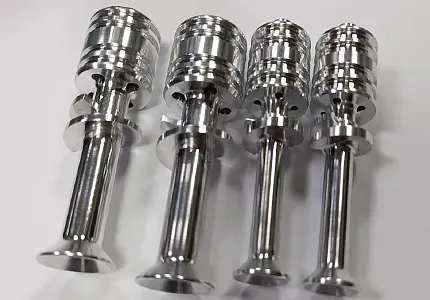
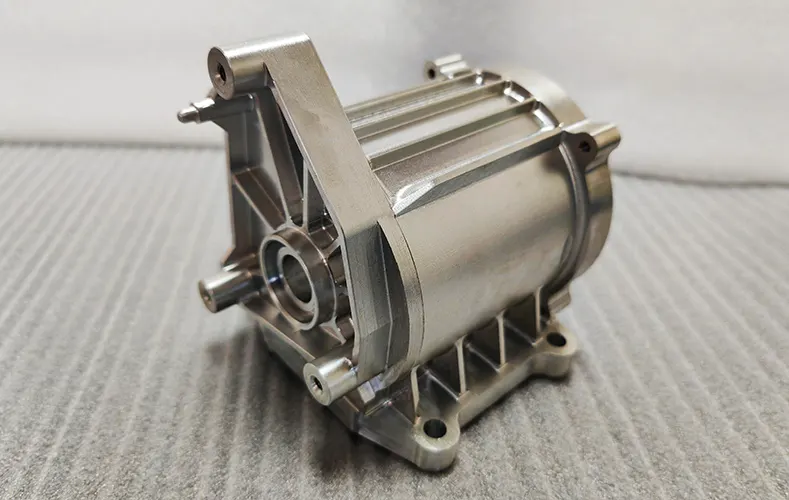
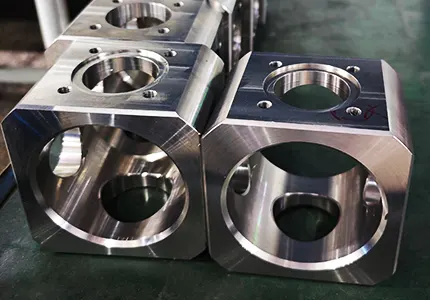
4 axis CNC machines are widely used in various industries for their ability to produce complex parts with high precision. Some common applications of 4 axis CNC machines include:
1. Aerospace Industry: 4 axis CNC machines are used to create intricate components for aircraft and spacecraft, where precision and reliability are crucial.
2. Automotive Industry: Automotive manufacturers utilize 4 axis CNC machines to produce engine components, body parts, and other specialized parts with tight tolerances.
3. Medical Industry: In the medical field, 4 axis CNC machines are used to manufacture precise surgical instruments, implants, and medical devices that require intricate designs.
4. Prototyping and Customization: 4 axis CNC machines are ideal for prototyping and customized production, allowing manufacturers to quickly produce one-of-a-kind parts and prototypes with ease.
Advantages of 4 Axis CNC Machines
There are several advantages to using a 4 axis CNC machine in manufacturing processes:
1. Increased Efficiency: The ability to operate on four axes simultaneously allows for faster and more efficient machining operations, reducing production times and increasing productivity.
2. Enhanced Precision: The fourth axis adds a new level of accuracy and precision to the machining process, enabling manufacturers to create highly detailed and complex designs with ease.
3. Versatility: 4 axis CNC machines offer greater flexibility in machining operations, allowing for the production of a wide range of parts and components across various industries.
4. Cost-Effectiveness: Despite their advanced capabilities, 4 axis CNC machines are cost-effective solutions for manufacturers looking to improve their production processes and expand their capabilities.
Challenges of 4 Axis CNC Machines
While 4 axis CNC machines offer numerous benefits, they also present some challenges that manufacturers need to consider:
1. Complexity: Operating a 4 axis CNC machine requires specialized training and expertise, as the additional axis adds complexity to the machining process.
2. Tooling and Fixturing: Setting up tooling and fixturing for a 4 axis CNC machine can be more complex and time-consuming compared to traditional 3 axis machines.
3. Maintenance: The additional axis in a 4 axis CNC machine means that there are more components that require maintenance and calibration, adding to the overall upkeep costs.
Conclusion
4 axis CNC machines represent a significant advancement in the field of manufacturing, offering enhanced precision, efficiency, and versatility in machining operations.
While they come with their challenges, the benefits of using a 4 axis CNC machine far outweigh the drawbacks, making them an invaluable tool for modern manufacturing processes.
As technology continues to evolve, 4 axis CNC machines will play a vital role in shaping the future of production across various industries.


4 axis
what is 4 axis cnc machine?
A 4 axis CNC machine is a machine tool that can move in four different axes simultaneously, allowing for more complex and intricate cuts. Check ...
Read More → 3 axis
What is the difference between 3 axis and 4 axis CNC machine?
Want to know the difference between 3 axis and 4 axis CNC machines? 3 axis machines move in three directions, while 4 axis machines move ...
Read More → 4 axis
Why Choose 4 Axis CNC Machining?
Looking to optimize your machining processes? Discover the benefits of 4 axis CNC machining in our article "Why Choose 4 Axis CNC Machining?" Find out ...
Read More → 4 axis
How to write 4 axis cam?
Learn how to write a 4 axis cam with this informative article. Discover helpful tips and techniques to create a precise and efficient cam design. ...
4 axis
Who are the top suppliers of 4-axis machining equipment?
Discover who the top suppliers of 4-axis machining equipment are in this article. Click on the link to learn more (who are the top suppliers ...
4 axis
How does a 4 axis cnc machine work?
Learn how a 4 axis CNC machine operates. Discover the intricate mechanisms involved in the process. Find out more about the capabilities and advantages of ...
Read More → 4 axis
Can I add a 4th axis to any CNC machine?
When it comes to CNC machining, precision and efficiency are key factors in achieving successful manufacturing processes. CNC machines are known for their ability to ...
Read More → 4 axis
Can a CNC router digitizing probe perform 4th-axis digitizing?
When it comes to CNC machining, precision is key. Engineers and manufacturers are constantly looking for ways to improve accuracy and efficiency in their processes. ...
Read More →