
How is the milling machine's worktable manufactured?
TonZaMaking
Introduction
Milling machines are essential tools in the manufacturing industry, used to shape and cut materials with precision. One crucial component of a milling machine is the worktable, which provides the stable surface on which the workpiece is mounted.
Materials Selection
When it comes to manufacturing the worktable of a milling machine, the choice of materials plays a crucial role in determining its strength, durability, and functionality.
Typically, worktables are made from high-quality cast iron or steel, known for their excellent strength and resistance to wear and tear. These materials are chosen for their ability to withstand the high forces and pressures that occur during milling operations.
Cast iron, in particular, is a popular choice for worktable construction due to its exceptional stability and vibration-dampening properties.
Steel worktables offer similar benefits but are often preferred for their higher tensile strength and impact resistance. The selection of material depends on the specific requirements of the milling machine and the intended applications.
Manufacturing Process
The manufacturing process of a milling machine’s worktable involves several crucial steps that are carried out with precision and attention to detail. The following is an overview of the typical manufacturing process:
Casting
The first step in manufacturing a worktable is casting the base material, usually cast iron or steel, into the desired shape and size. This is done using a foundry process, where molten metal is poured into a mold and allowed to cool and solidify.
The mold is carefully designed to create the precise dimensions and features of the worktable, ensuring a high level of accuracy and consistency.
Machining
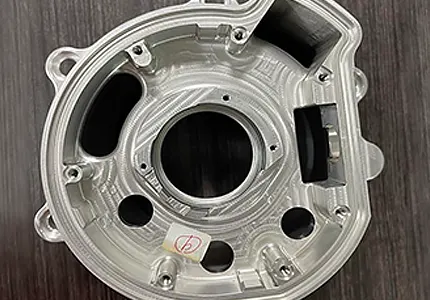
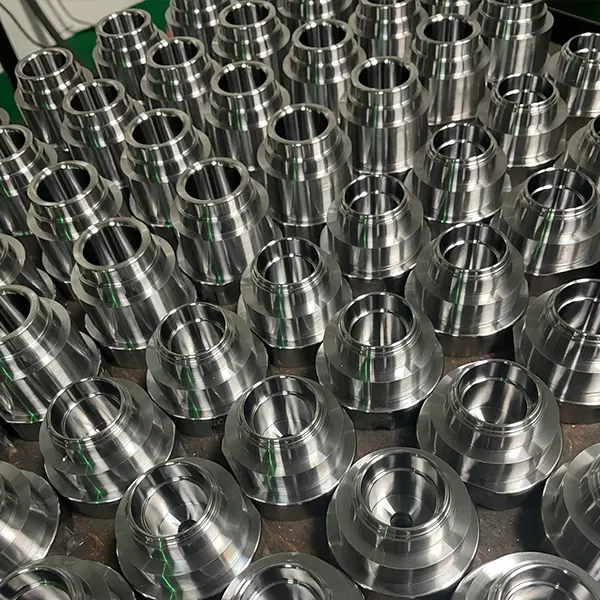
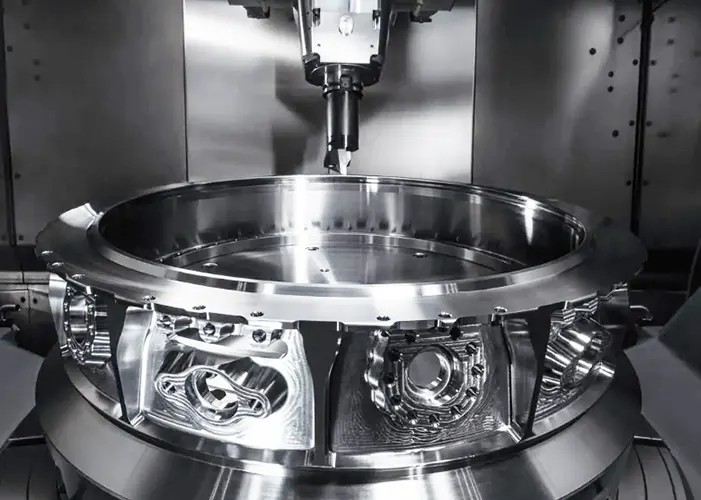
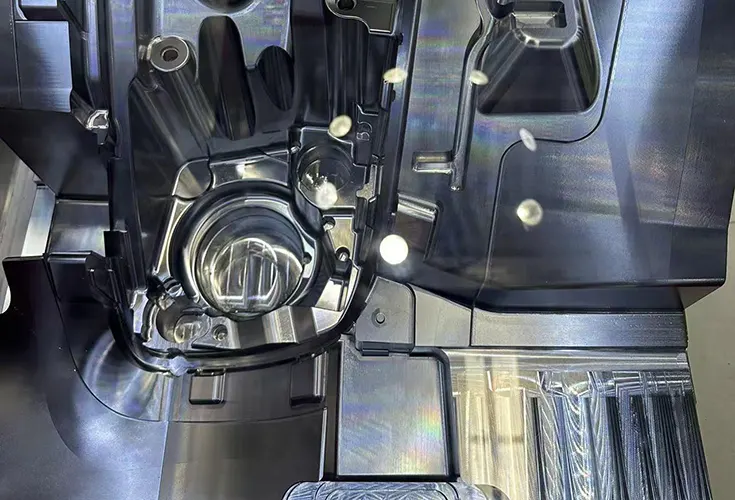
Once the casting is completed, the worktable undergoes machining processes to refine its surface finish and dimensions.
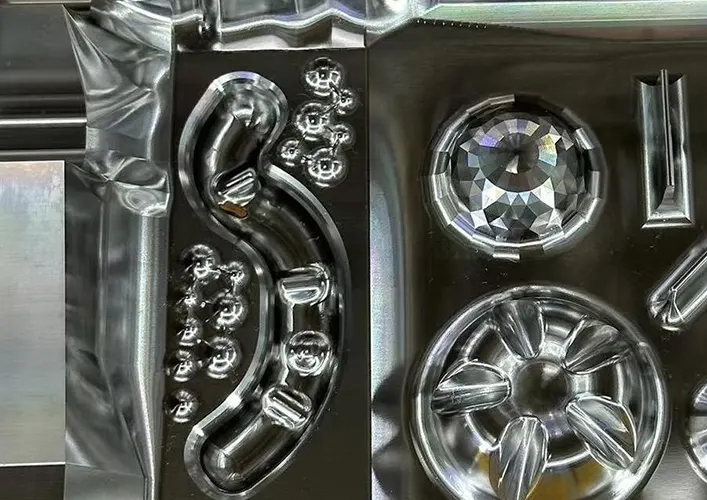
This includes milling, drilling, grinding, and other machining operations to achieve the desired flatness, parallelism, and geometric tolerances.
Precision machining is essential to ensure that the worktable meets the strict requirements of the milling machine’s performance and accuracy.
Surface Treatment
After machining, the worktable is subjected to surface treatment processes to enhance its properties and improve its durability.
This may involve treatments such as grinding, polishing, coating, or plating to protect the surface from corrosion, abrasion, and wear.
Surface treatments also help to reduce friction, improve stability, and ensure smooth movement of the workpiece on the table.
Design Considerations
When designing a worktable for a milling machine, engineers must consider several factors to ensure its optimal performance and longevity. Some key design considerations include:
Rigidity
The worktable must be rigid and stable to withstand the high cutting forces and vibrations generated during milling operations. A sturdy worktable prevents deflection and ensures accurate machining of the workpiece.
Flatness
The worktable surface must be flat to provide a level and uniform support for the workpiece. A flat worktable is essential for achieving precise cuts and maintaining tight tolerances during milling operations.
T-Slots
Worktables are often equipped with T-slots or mounting holes to secure the workpiece in place using clamps, bolts, or fixtures. The design and placement of T-slots are critical for holding the workpiece securely and facilitating easy setup and removal.
Accessibility
The design of the worktable should allow for easy access to the workpiece and cutting tools, enabling efficient loading, unloading, and tool changes.
Accessibility is essential for maximizing productivity and minimizing downtime during milling operations.
Conclusion
In conclusion, the manufacturing process of a milling machine’s worktable is a complex and precise operation that involves careful selection of materials, meticulous machining, and thoughtful design considerations.
The worktable plays a critical role in the performance and accuracy of the milling machine, providing a stable platform for machining operations.
By understanding the manufacturing process and design considerations involved in creating a worktable, engineers can ensure the optimal functionality and longevity of their milling machines.