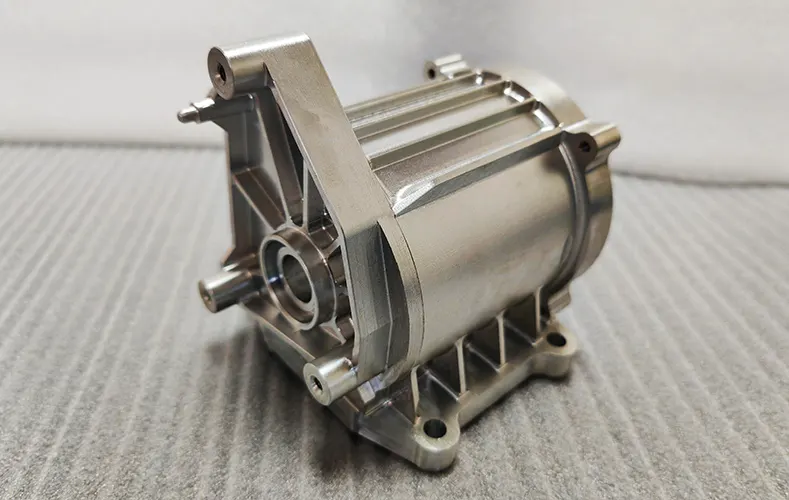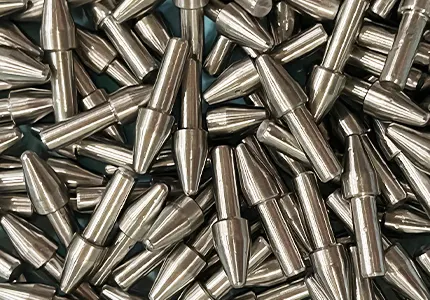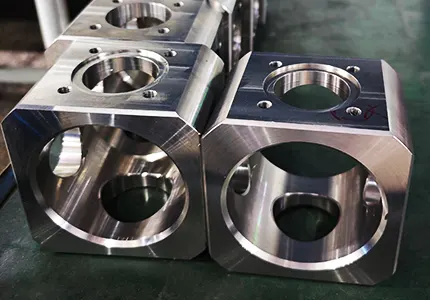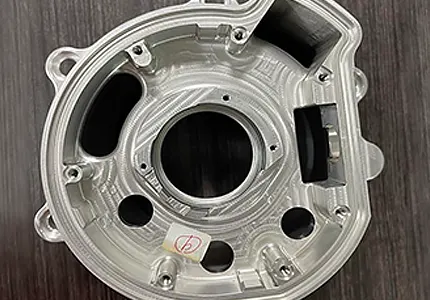
Why Choose ours CNC Milling Services?
TonZaMaking
Custom CNC machining remains unfamiliar to many decision-makers outside engineering and manufacturing disciplines, despite being one of the most critical foundations of modern industrial production.
As products across industries become more complex, smaller, lighter, and more performance-driven, traditional manual machining methods are no longer capable of meeting today’s precision, consistency, and scalability requirements.
CNC machining plays a central role in modern manufacturing because it enables the production of components with extremely tight tolerances, repeatable accuracy, and complex geometries.
Custom CNC machined parts directly influence machine performance, operational efficiency, product reliability, and lifecycle cost.
In sectors such as aerospace, medical devices, automotive, and energy, even a minor dimensional deviation can lead to system failure or regulatory non-compliance.
The evolution from conventional machining to computer numerical control represents one of the most significant technological shifts in manufacturing history.
CNC milling, CNC turning, electrical discharge machining (EDM), and other advanced processes have replaced manual interpretation with programmable precision.
This article explores how custom CNC machining works, the machines and processes involved, suitable materials, key advantages, industrial applications, and how businesses can choose professional CNC machining services with confidence.
What Is Custom CNC Machining?
Custom CNC machining refers to the production of parts that are manufactured to unique, application-specific designs rather than standardized, off-the-shelf components.
Unlike conventional machining, which often relies heavily on operator skill and manual adjustments, custom CNC solutions are driven by digital models and automated control systems that ensure dimensional accuracy across every production cycle.
The defining difference between standard machining and custom CNC machining lies in flexibility and precision.
Custom CNC machining allows manufacturers to adapt tooling strategies, machine configurations, and cutting parameters to match exact design requirements.
This capability is particularly important for low-volume, high-mix production, complex geometries, and performance-critical components.
Digital design plays a decisive role in customization.
CAD and CAM software translate engineering intent into precise machine instructions, allowing parts with complex internal features, compound angles, and intricate surface contours to be manufactured efficiently.
These capabilities enable geometries that are physically impractical or economically impossible to produce using manual machining methods.
How CNC Machining and CNC Milling Work
The CNC machining process begins with digital design and engineering development. Engineers create detailed CAD models that define every dimension, tolerance, and surface requirement.
These models are then processed through CAM software, which generates optimized toolpaths and converts them into machine-readable G-code.
Modern CNC control systems interpret this code with exceptional accuracy, governing spindle speed, feed rates, tool movement, and positional control.
Once programming is complete, machining transitions into a subtractive manufacturing process.
Rotating cutting tools remove material from solid workpieces according to pre-programmed paths.
Advanced workholding systems ensure stability during cutting, while controlled toolpaths maintain consistent engagement between the tool and material.
Because the process is fully program-driven, human variability is largely eliminated, resulting in highly repeatable and predictable outcomes across production runs.
Types of Custom CNC Machining Processes
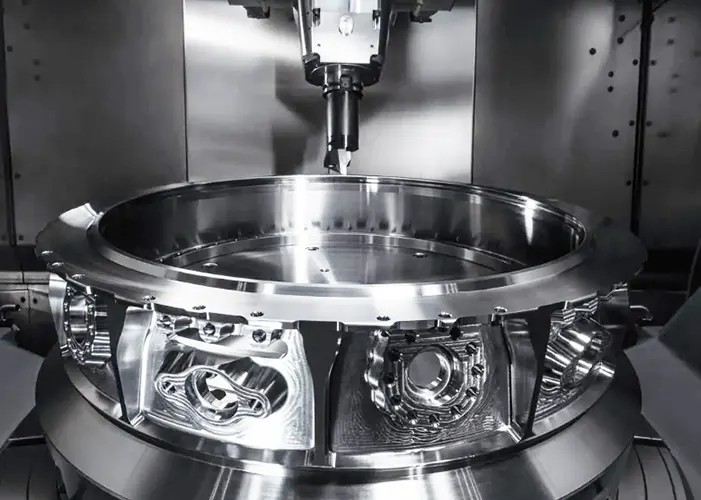
Among advanced machining technologies, five-axis CNC machining centers represent the highest level of geometric capability.
These machines operate simultaneously along three linear axes and two rotational axes, allowing cutting tools to approach the workpiece from virtually any direction.
This enables complex shapes, deep cavities, undercuts, and multi-face features to be machined in a single setup, significantly reducing alignment errors while improving surface accuracy and cycle time efficiency.
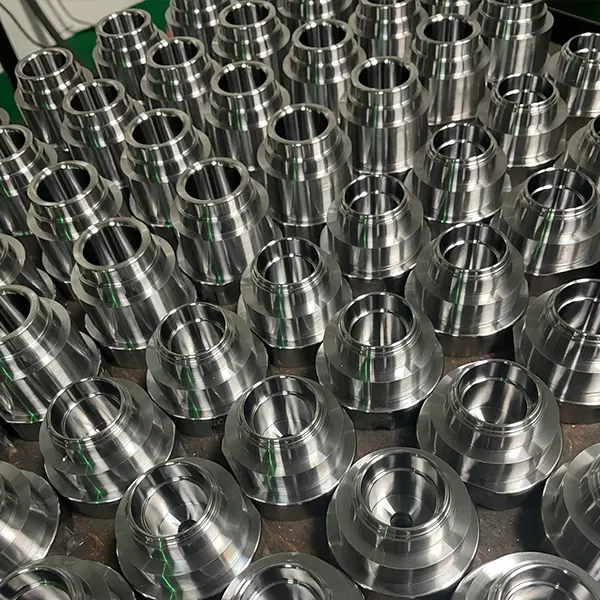
CNC milling serves as one of the most versatile processes within custom machining. Milling operations create prismatic shapes, contoured surfaces, slots, pockets, and complex three-dimensional features.
When combined with multi-axis systems, milling becomes capable of producing highly intricate components used in aerospace structures, medical implants, and precision tooling.
CNC turning complements milling by focusing on rotational symmetry.
During turning operations, the workpiece rotates while stationary cutting tools remove material to form cylindrical features, threads, tapers, and precision bores.
Turning excels in high-volume production environments and is frequently integrated with milling to complete complex hybrid components.
Metal machining encompasses a wide range of processes designed to control part geometry, surface finish, and tolerance integrity.
In addition to metals, auxiliary materials such as engineering plastics, rubber, and composite substrates may be incorporated depending on functional requirements.
Prototype plastic machining addresses the limitations of additive manufacturing.
While 3D printing is valuable for concept validation, CNC machining remains essential for producing functional plastic prototypes from production-grade materials.
This approach ensures mechanical performance, thermal stability, and dimensional accuracy that accurately reflect final-use conditions.
CNC Milling Machines and Configurations
Vertical CNC milling machines feature spindle orientations perpendicular to the work surface and handle a broad range of machining tasks.
These machines are commonly used for drilling, pocketing, and surface contouring, with modern systems offering three-axis and five-axis capabilities.
Automated tool changers and precision probing systems allow vertical mills to deliver consistent quality with minimal downtime.
Horizontal CNC milling machines position the spindle parallel to the work surface, offering superior chip evacuation and thermal control.
These characteristics improve surface finish quality and extend tool life, making horizontal machines particularly effective for high-volume production and heavy material removal.
Universal CNC milling machines combine vertical and horizontal configurations into a single platform.
This flexibility allows manufacturers to complete diverse machining tasks without relocating parts between machines, reducing setup time while maintaining tight dimensional control.
Specialized CNC milling equipment further expands manufacturing capabilities.
High-speed machining centers optimize performance for aluminum and lightweight alloys, while heavy-duty machines are designed for aggressive cutting of hardened steels and large structural components.
Machine selection directly influences productivity, surface integrity, and overall cost efficiency.
Essential CNC Milling Operations
Face milling is commonly used to prepare flat surfaces and establish reference planes.
Large-diameter cutters remove material efficiently while achieving uniform surface finishes suitable for assembly and sealing applications.
Cutting parameters are optimized to balance productivity with surface integrity.
End milling operations enable the creation of slots, pockets, and intricate features. Multiple tool sizes are typically employed to access internal geometries while maintaining dimensional accuracy.
Angular milling further expands design possibilities by producing precise chamfers and inclined surfaces.
Advanced milling techniques include CNC routing and high-speed machining, particularly for plastics and composite materials.
Dedicated CNC routers prioritize speed and surface finish, while traditional mills emphasize rigidity and material removal capability. Selecting the appropriate method depends on material behavior and functional requirements.
CNC Milling as a Subtractive Manufacturing Method
CNC milling is fundamentally a subtractive manufacturing process, removing material from solid stock to achieve final dimensions.
Unlike additive manufacturing, which builds parts layer by layer, milling produces components with superior mechanical properties due to uninterrupted material grain structure.
Subtractive manufacturing offers significant advantages in strength, fatigue resistance, and dimensional stability.
Modern CNC milling systems can machine complex, high-strength materials that are unsuitable for additive processes, making milling one of the most versatile manufacturing methods across industries.
CNC Milling vs. CNC Turning
The primary distinction between CNC milling and CNC turning lies in how the workpiece and cutting tool interact.
Milling produces prismatic and contoured shapes by moving rotating tools across stationary workpieces, while turning creates cylindrical features by rotating the part itself.
These processes are complementary rather than competitive.
Most professional machine shops combine milling and turning capabilities to complete complex parts efficiently, reducing lead times and minimizing outsourcing.
Advantages of Custom CNC Machining
Custom CNC machining delivers exceptional precision and repeatability, enabling tight tolerances and complex geometries to be maintained across all production volumes.
Automated control systems ensure consistent results regardless of operator or production scale.
Production efficiency is another major advantage. Computer-controlled workflows reduce errors, rework, and downtime while skilled CNC engineers optimize processes for speed and accuracy. This results in shorter lead times and predictable delivery schedules.
Cost-effectiveness is achieved through reduced waste, minimized tooling investment, and scalable production.
Custom CNC machining supports both low-volume prototypes and medium-volume production without sacrificing quality or economic efficiency.
Material Selection for Custom CNC Machining
Aluminum remains one of the most widely used CNC machining materials due to its favorable strength-to-weight ratio, corrosion resistance, and machinability.
Alloying elements further enhance performance for aerospace and automotive applications.
Beyond aluminum, CNC machining supports a wide range of metals including carbon steels, stainless steels, titanium alloys, brass, bronze, and copper.
Each material requires tailored cutting strategies to manage heat generation, tool wear, and surface finish.
Steel machining depends heavily on alloy composition and heat treatment.
CNC bending, forming, and milling processes must be carefully controlled to maintain structural integrity and dimensional stability.
Material-specific requirements also include proper coolant selection, tool life management, and certification.
Aerospace and medical industries frequently require full material traceability and compliance with international standards.
Production Process Excellence
High-quality CNC machining relies on optimized programming and setup procedures.
Advanced toolpath strategies, adaptive feed rate control, and predictive maintenance systems enhance productivity while preserving accuracy.
Integrated quality systems play a critical role in modern machining environments.
Automated probing, statistical process control, and real-time monitoring ensure consistent output and operator-independent repeatability throughout production runs.
Custom CNC Machining Applications
Custom CNC machining supports both prototype development and full-scale production.
Machined prototypes allow engineers to validate designs using real materials and processes, reducing risk before committing to mass production.
In production manufacturing, CNC machining offers flexible batch sizes and scalable capacity.
This adaptability supports evolving product demands without requiring costly dedicated tooling, making CNC machining ideal for end-use part production.
Industries Requiring Custom CNC Machining
Industries such as medical, aerospace, oil and gas, transportation, and marine manufacturing depend heavily on CNC machining for precision-critical components.
Regulatory requirements, safety considerations, and performance demands make CNC machining indispensable across these sectors.
Choosing the Right CNC Machining and Milling Service Provider
Selecting a professional CNC machining partner requires evaluating equipment capability, technical expertise, and quality systems.
Investment in advanced machinery, skilled engineers, and rigorous inspection processes directly impacts final part performance.
Industry certifications such as AS9100 and ISO 13485 demonstrate adherence to strict quality and regulatory standards.
A qualified service provider combines technical competence with documented compliance to ensure consistent, reliable results.
Why choose Tonzamaking’s CNC machining services?
At Tonzamaking, we provide CNC milling services engineered for demanding applications, complex geometries, and tight delivery schedules.
From early-stage design optimization to high-precision final inspection, our approach integrates skilled expertise, advanced equipment, and disciplined process control.
Below, we outline the six core reasons manufacturers across industries choose Tonzamaking as their CNC milling partner.
A Skilled Team with Proven Expertise
High-performance CNC milling begins with people.
Our team consists of experienced machinists, CAM programmers, manufacturing engineers, and quality specialists, many with over a decade of hands-on experience machining complex components.
This depth of expertise allows us to handle parts that demand tight tolerances, challenging materials, and complex geometries with confidence.
Key strengths include:
- Advanced CAM programming for optimized toolpaths and cycle efficiency
- Deep understanding of material behavior across aluminum, stainless steel, tool steels, titanium, and engineering plastics
- Proven capability in industries requiring high reliability, such as automotive, industrial equipment, electronics, and precision assemblies
This expertise translates directly into higher first-pass yield, reduced scrap, and consistent dimensional accuracy—critical factors for professional machinists and engineers.
Personalized Collaboration & Proactive DFM
We don’t just manufacture parts—we co-engineer solutions.
Our CNC milling services emphasize early-stage collaboration through Design for Manufacturability (DFM) analysis. By reviewing CAD models before machining begins, our engineers proactively identify opportunities to:
- Reduce unnecessary tight tolerances
- Improve tool accessibility and cutter life
- Minimize machining time and secondary operations
- Lower overall production cost without compromising performance
Using advanced CAD/CAM simulation and tolerance stack-up analysis, we help customers optimize designs before material is cut, preventing costly revisions later in the process.
This collaborative approach is especially valuable for new product development and low-to-medium volume production.
State-of-the-Art In-House Equipment
Precision requires control—and control requires the right machines.
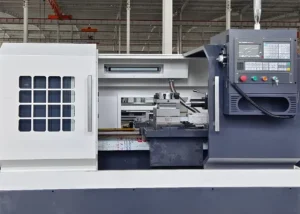
Tonzamaking operates modern CNC milling centers fully in-house, enabling us to maintain strict quality standards and reliable lead times. Our equipment portfolio supports:
- 3-axis, 4-axis, and 5-axis CNC milling
- High-speed machining for aluminum and soft alloys
- Rigid cutting for hardened steels and exotic materials
By keeping machining, inspection, and process validation under one roof, we eliminate dependency on subcontractors. This ensures consistent quality, tighter process control, and faster turnaround for every project.
Complementary in-house inspection equipment, including CMMs and precision measuring tools, supports full dimensional verification and documented quality reporting.
Advanced High-Complexity Machining Capabilities
Complex parts demand advanced solutions.
Our CNC milling services specialize in high-complexity machining, including:
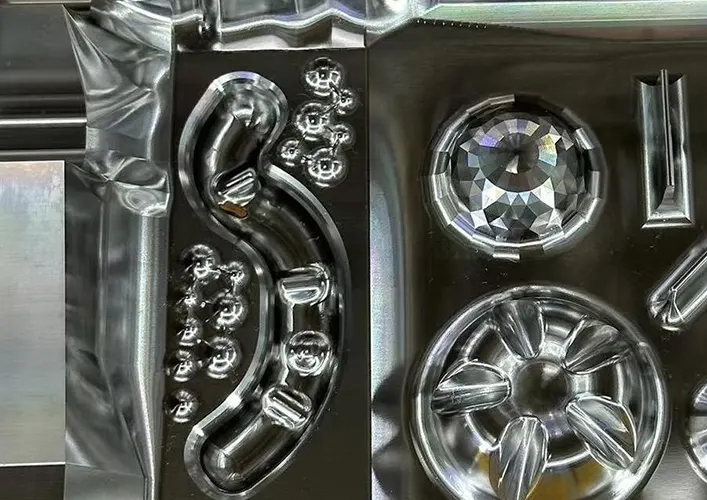
- Multi-axis simultaneous contouring
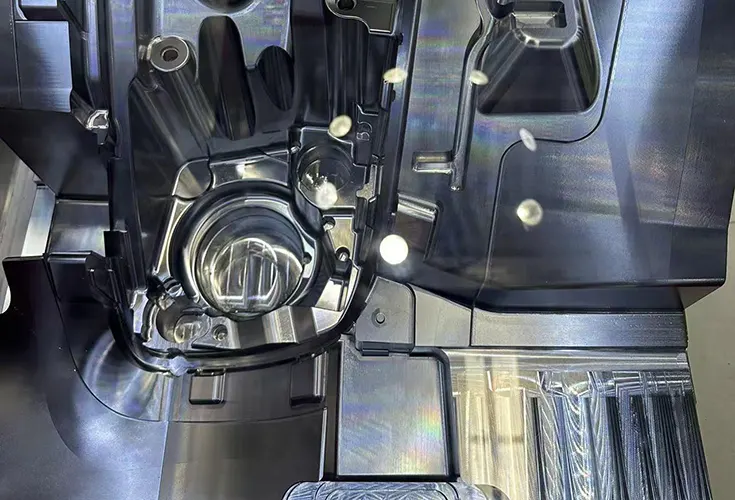
- Thin-wall and deep-cavity machining
- Tight-tolerance features and fine surface finishes
- Part consolidation to reduce assembly steps
With advanced toolpath strategies and stable fixturing systems, we achieve high accuracy even on parts with intricate features and limited tool access.
This capability allows customers to replace multi-part assemblies with single, precision-machined components—improving performance and reducing total manufacturing cost.
Industry-Leading Competitive Pricing
Competitive pricing is not about cutting corners—it’s about process efficiency.
Our pricing strategy is driven by:
- Optimized machining cycles through advanced CAM programming
- Efficient material utilization and tooling strategies
- Lean production workflows and standardized setups
By eliminating waste at every stage of the process, we deliver cost-effective CNC milling solutions without compromising precision or quality.
Transparent quoting ensures customers understand cost drivers such as material selection, tolerance requirements, and production volume.
The result is a strong return on investment through reduced rework, consistent quality, and predictable production costs.
Unmatched Turnaround Times
Speed matters—especially in competitive markets.
Our CNC milling operations are structured to support fast and reliable turnaround, even for complex parts. Through:
- In-house machining and inspection
- Streamlined scheduling and production planning
- Flexible capacity for urgent and prototype orders
We consistently deliver shorter lead times than traditional machining workflows. Rapid turnaround does not come at the expense of quality—every part follows the same disciplined inspection and validation process.
This responsiveness allows customers to accelerate product development, meet production deadlines, and respond quickly to market demands.
Conclusion: A CNC Milling Partner You Can Rely On
Choosing a CNC milling supplier is a strategic decision that impacts quality, cost, and delivery performance.
At Tonzamaking, we combine technical expertise, collaborative engineering, advanced equipment, and disciplined execution to deliver CNC milling services professionals can rely on.
Whether you require prototype development, complex multi-axis machining, or scalable production, our team is ready to support your manufacturing goals.
Contact Tonzamaking today to discuss your CNC milling requirements or request a detailed quote.