
What is turning in CNC machining?
TonZaMaking
Understanding Turning in CNC Machining
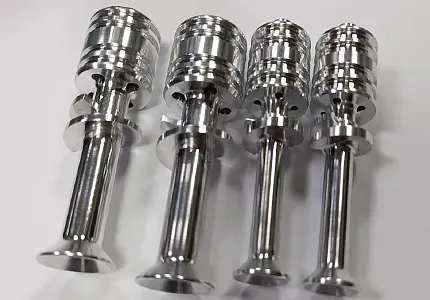
Turning is a fundamental process in CNC machining that is essential for creating cylindrical parts. Whether you are producing shafts, rods, or other round components, turning plays a crucial role in achieving precise dimensions and surface finishes.
Basics of Turning
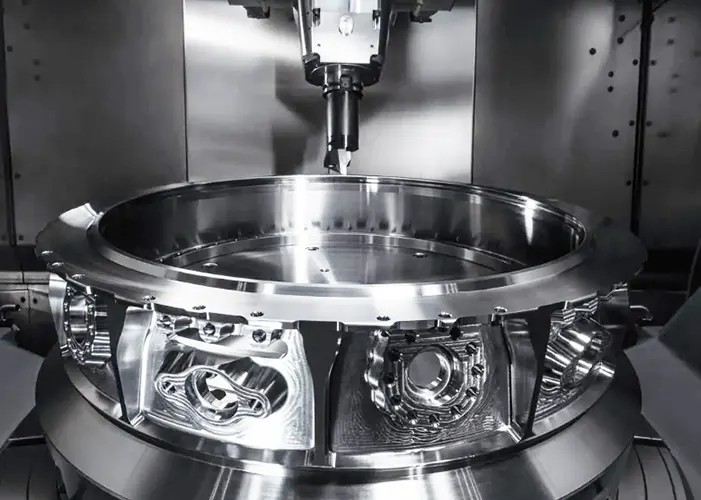
Turning is a machining operation that involves rotating a workpiece on a spindle while a cutting tool removes material to create the desired shape. The cutting tool, which is stationary, moves along the surface of the rotating workpiece to make cuts and create the desired features.
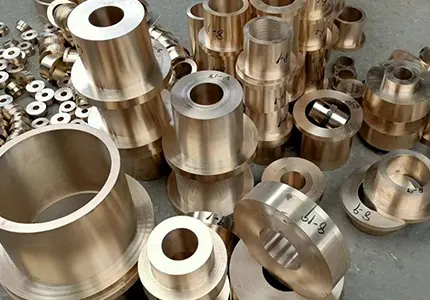
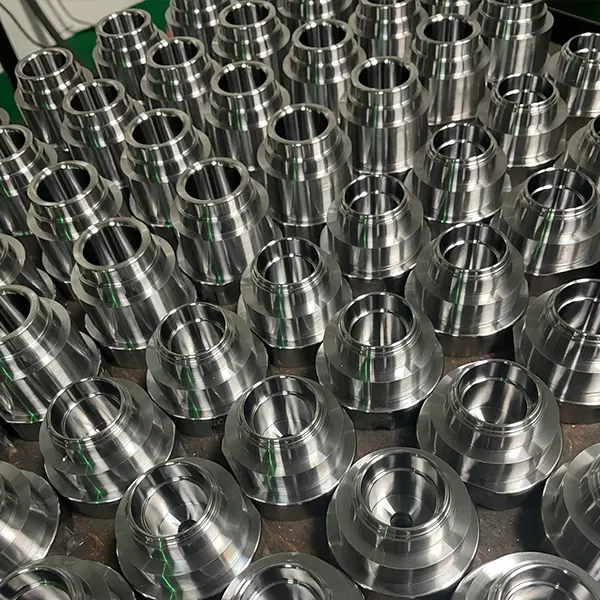
This process is typically used to produce cylindrical parts, such as shafts, bushings, or pulleys, but it can also be used to create grooves, threads, and other complex geometries.
One of the primary advantages of turning is its ability to quickly and efficiently remove material from a workpiece, making it ideal for high-volume production of cylindrical components.
Turning can also achieve high levels of accuracy and surface finish, making it suitable for applications where precision is essential.
Turning Process
The turning process in CNC machining involves several key steps that work together to transform a raw material into a finished part. These steps include:
- Workpiece Setup: The first step in the turning process is to mount the raw material, or workpiece, securely on the lathe spindle. The workpiece should be centered and aligned to ensure that the cuts are accurate and consistent.
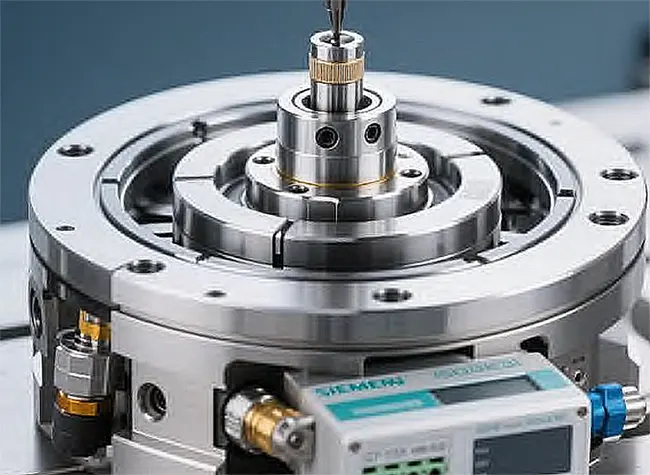
- Tool Selection: Choosing the right cutting tool is crucial for achieving the desired results in turning. Factors such as material type, cutting speed, and surface finish requirements should be considered when selecting a tool.
- Cutting Parameters: Setting the correct cutting parameters, such as cutting speed, feed rate, and depth of cut, is essential for optimizing the turning process. These parameters will vary depending on the material being machined and the desired outcome.
- Cutting Operation: Once the workpiece is set up, the cutting tool is engaged, and material is gradually removed to create the desired shape. The cutting tool moves along the surface of the workpiece, gradually reducing its diameter and creating the desired features.
- Finishing: After the rough turning operation is complete, finishing cuts may be taken to achieve the final dimensions and surface finish. These cuts are typically light and can greatly improve the overall quality of the part.
Types of Turning Tools
There are various types of cutting tools that can be used in turning operations, each with its own unique characteristics and applications. Some common types of turning tools include:
- Turning Inserts: These replaceable inserts are mounted on a turning tool and can be rotated or flipped to expose fresh cutting edges. Turning inserts come in a wide range of geometries and materials to suit different machining requirements.
- Boring Bars: Used for enlarging existing holes or creating internal features, boring bars are essential for turning operations that require internal machining.
- Parting Tools: Parting tools are used to cut off a workpiece from the raw material once turning is complete. These tools create a clean and precise cut, allowing the finished part to be easily removed from the workpiece.
- Thread Tools: Thread tools are designed to create internal or external threads on a workpiece. These tools feature specialized cutting edges that are designed to produce accurate and consistent threads.
Advanced Turning Techniques
In addition to traditional turning methods, there are several advanced turning techniques that can further enhance the efficiency and accuracy of the machining process. Some of these techniques include:
- Hard Turning: Hard turning involves machining hardened materials, typically above 45 HRC, without the need for grinding. This process can significantly reduce cycle times and improve tool life.
- Thread Milling: Thread milling is a versatile technique that allows for the creation of threads using a milling cutter. This process is ideal for high-precision threading applications.
- Swiss Turning: Swiss turning is a specialized form of turning that is commonly used for small, complex parts. This technique involves the use of a sliding headstock lathe to achieve high levels of precision and accuracy.
Applications of Turning in CNC Machining
Turning is a versatile machining process that is used in a wide range of industries and applications. Some common applications of turning in CNC machining include:
- Aerospace: Turning is widely used in the aerospace industry for producing critical components such as turbine shafts, landing gear components, and engine parts.
- Automotive: The automotive industry relies on turning for creating various components, including crankshafts, camshafts, and drive shafts.
- Medical: Turning is essential for producing medical implants, surgical instruments, and other precision components used in the medical field.
- Energy: The energy sector utilizes turning for manufacturing components for power generation equipment, oil and gas exploration tools, and renewable energy systems.
Conclusion
Turning is a vital process in CNC machining that plays a crucial role in the production of cylindrical components and other complex geometries.
By understanding the basics of turning, selecting the right tools, and employing advanced techniques, manufacturers can achieve high levels of precision and efficiency in their machining operations.
Whether you are producing parts for the aerospace, automotive, medical, or energy industries, turning remains a cornerstone of modern manufacturing processes.