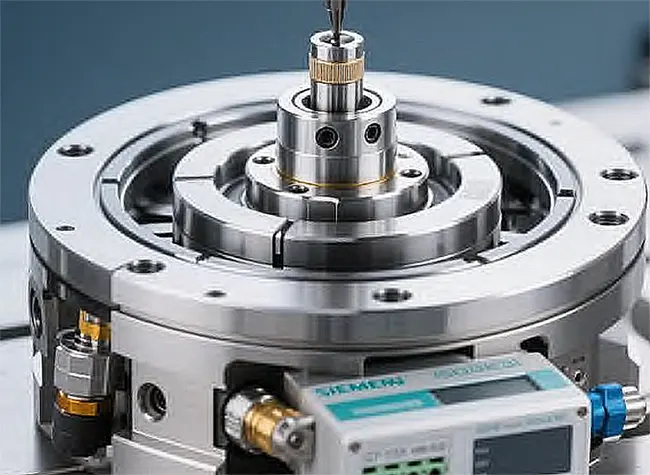

What is threading tool in CNC machining?
TonZaMaking
Introduction
Threading tools play a crucial role in CNC machining, enabling engineers to create threaded components with precision and efficiency.
Understanding the various types of threading tools and their applications is essential for achieving high-quality results in manufacturing processes.
What is a Threading Tool?
A threading tool is a cutting tool specifically designed for creating threads on the surface of a workpiece. In CNC machining, threading tools are used to mill, turn, or tap threads on materials such as metal, plastic, or wood.
These tools come in a variety of shapes and sizes, each suited for different threading processes.
Types of Threading Tools
There are several types of threading tools commonly used in CNC machining, each serving a specific purpose. The most common types include:
1. Thread Milling Tools
Thread milling tools are versatile cutters used to create internal and external threads by interpolating a tool along a circular path. These tools are efficient for producing threads with complex geometries and varying pitches.
Thread milling tools can be used on a wide range of materials, offering flexibility and precision in thread creation.
2. Thread Turning Tools
Thread turning tools are used in turning operations to cut threads on the outer surface of a workpiece.
These tools come in various designs, such as single-point inserts or indexable carbide inserts, allowing for different thread profiles to be produced.
Thread turning tools are commonly used in high-volume production settings due to their speed and accuracy.
3. Thread Tapping Tools
Thread tapping tools are designed to create internal threads by cutting into the material with spiral flutes. These tools come in hand taps, machine taps, and thread forming taps, each suited for specific threading applications.
Thread tapping tools are commonly used in CNC machining for creating threads in pre-drilled holes.
4. Thread Whirling Tools
Thread whirling tools are specialized cutters that use a high-speed rotating process to create threads. These tools are often used for producing high-precision threads on challenging materials such as titanium or Inconel.
Thread whirling tools offer excellent surface finish and dimensional accuracy, making them ideal for demanding applications.
Best Practices for Using Threading Tools
When using threading tools in CNC machining, it is essential to follow best practices to ensure optimal performance and longevity. Some key guidelines include:
1. Selecting the Right Tool
Choosing the correct threading tool for the specific application is crucial for achieving accurate and efficient thread cutting. Consider factors such as material type, thread profile, pitch, and tolerance requirements when selecting a threading tool.
2. Maintaining Tool Sharpness
Regularly inspecting and sharpening threading tools is essential for achieving consistent thread quality. Dull or worn-out tools can result in poor thread finish, increased tool wear, and decreased productivity.
Invest in proper tool maintenance practices to maximize tool life and performance.
3. Controlling Cutting Parameters
Optimizing cutting parameters such as cutting speed, feed rate, and depth of cut is crucial for achieving efficient thread cutting.
Adjust these parameters based on the material being machined, tool type, and desired thread characteristics. Maintain proper chip evacuation to prevent chip buildup and tool damage.
Conclusion
Threading tools are indispensable components in CNC machining, enabling engineers to create precise threads with accuracy and repeatability.
By understanding the types of threading tools available and following best practices in tool selection and maintenance, manufacturers can achieve high-quality threaded components for a wide range of applications.
Incorporating threading tools into CNC machining processes can streamline production, increase efficiency, and deliver superior results in manufacturing operations.