
What is tool offset in CNC machining?
TonZaMaking
Understanding Tool Offset in CNC Machining
Tool offset is a critical concept in CNC machining that plays a significant role in ensuring the accuracy and precision of machined parts.
In this article, we will delve into what tool offset is, how it is used in CNC machining, and why it is essential for achieving optimal results in manufacturing processes.
What is Tool Offset in CNC Machining?
Tool offset refers to the distance between the tool tip and the spindle centerline in a CNC machine. This distance is crucial for determining the correct position of the tool relative to the workpiece.
By adjusting the tool offset values, machinists can compensate for variations in tool length, diameter, or wear, ensuring that the tool cuts the workpiece with the desired precision.
How is Tool Offset Used in CNC Machining?
Tool offset values are typically stored in the CNC machine’s control system or tool library.
When a tool change is required, the operator selects the appropriate tool from the library, and the machine automatically adjusts the tool offset values for that specific tool.
This eliminates the need for manual calculations and reduces the risk of human error.
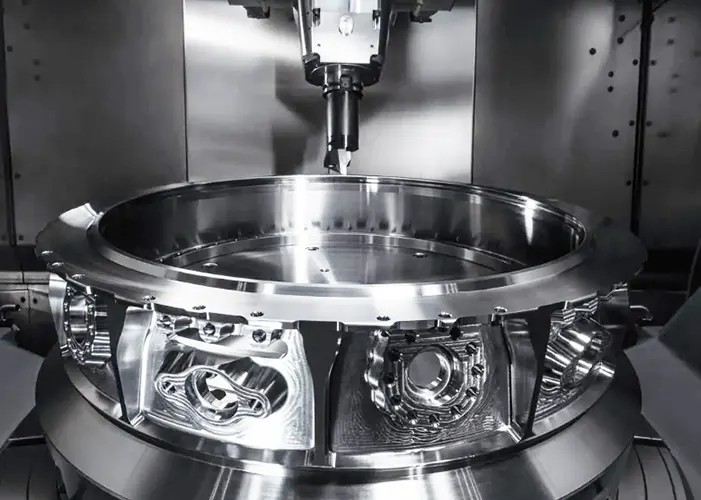
During the machining process, the CNC machine uses the tool offset values to determine the tool’s position relative to the workpiece.
By accounting for the tool offset, the machine can accurately position the tool and make precise cuts according to the programmed toolpath.
Types of Tool Offsets
There are several types of tool offsets used in CNC machining, each serving a specific purpose in the machining process:
1. Length Offset
The length offset is the distance from the tip of the tool to the machine’s reference point. By adjusting the length offset value, machinists can compensate for variations in tool length, ensuring that the tool reaches the desired cutting depth in the workpiece.
2. Diameter Offset
The diameter offset accounts for the tool’s diameter, allowing the machine to accurately position the tool for precise cuts. By adjusting the diameter offset value, machinists can ensure that the tool cuts the workpiece with the correct dimensions and tolerances.
3. Wear Offset
Wear offset compensates for tool wear over time, ensuring that the machine maintains consistent cutting performance. Machinists can monitor tool wear and adjust the wear offset values accordingly to maintain the desired level of precision in machining operations.
Importance of Tool Offset in CNC Machining
Tool offset plays a crucial role in ensuring the accuracy, precision, and quality of machined parts in CNC machining.
By properly setting and adjusting tool offset values, machinists can achieve optimal results in manufacturing processes, minimizing errors, rework, and scrap parts.
Without tool offset, machinists would have to manually adjust the tool position for each tool change, leading to potential inaccuracies and inconsistencies in the machining process.
Tool offset automation in CNC machining streamlines tool changes and ensures that the machine cuts the workpiece with the highest level of precision and efficiency.
Conclusion
Tool offset is a fundamental concept in CNC machining that significantly impacts the accuracy, precision, and quality of machined parts.
By understanding and utilizing tool offset values effectively, machinists can optimize their machining processes, improve productivity, and deliver superior products to their customers.
Whether adjusting length, diameter, or wear offsets, machinists must pay close attention to tool offset values to ensure that the machine cuts the workpiece with the desired specifications.
With proper tool offset management, CNC machining operations can achieve consistent and reliable results, meeting the highest standards of quality and efficiency in manufacturing.