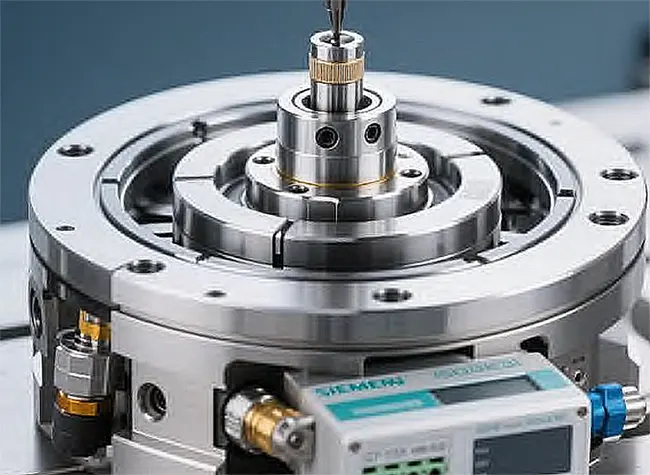

What are the main components that make up the axis system in a CNC machine?
TonZaMaking
Main Components of the Axis System in a CNC Machine
Computer Numerical Control (CNC) machines have revolutionized the manufacturing industry by increasing precision, efficiency, and productivity. One of the key elements of a CNC machine is the axis system, which allows the machine to move in various directions to create complex shapes and designs.
Introduction to the Axis System
Before delving into the specific components of the axis system, let’s first understand the importance of this system in a CNC machine. The axis system consists of multiple axes that control the movement of the cutting tool in different directions, such as along the X, Y, and Z axes.
These axes enable the machine to perform various operations, including cutting, milling, drilling, and shaping, with a high degree of accuracy and efficiency.
Each axis in a CNC machine is driven by a combination of motors, drive systems, and feedback mechanisms that work together to precisely control the movement of the cutting tool.
Understanding the main components of the axis system is crucial for designing, operating, and maintaining CNC machines effectively.
Main Components of the Axis System
1. Linear Guides:
Linear guides are essential components of the axis system that provide precision and stability to the movement of the cutting tool.
These guides consist of rails and sliders that allow the tool to move smoothly along the specified axis. Linear guides help minimize friction, vibration, and backlash, ensuring accurate and consistent machining results.
2. Ball Screws:
Ball screws are mechanical devices that convert rotational motion into linear motion, allowing the cutting tool to move along the axis with high precision. Ball screws consist of a threaded shaft and a nut with ball bearings that enable smooth and efficient motion.
The use of ball screws in the axis system helps reduce wear and tear, improve accuracy, and enhance overall machine performance.
3. Drive Systems:
Drive systems are responsible for powering and controlling the movement of the axes in a CNC machine. These systems typically consist of servo motors or stepper motors, along with drive mechanisms such as belts, pulleys, and gears.
Drive systems play a crucial role in determining the speed, acceleration, and positioning accuracy of the cutting tool during machining operations.
4. Feedback Devices:
Feedback devices, such as encoders and resolvers, provide real-time position feedback to the CNC controller, allowing it to monitor and adjust the movement of the cutting tool.
These devices help ensure precise positioning, velocity control, and error compensation in the axis system. Feedback devices are essential for achieving high machining accuracy and repeatability in CNC operations.
5. Control System:
The control system is the brain of the CNC machine that interprets the programmed instructions and coordinates the movement of the axes.
The control system consists of a CNC controller, software, and interface panels that enable operators to input commands, set parameters, and monitor the machining process. The control system plays a vital role in determining the overall performance and functionality of the axis system.
Conclusion
In conclusion, the axis system is a critical component of a CNC machine that enables precise and efficient machining operations. By understanding the main components of the axis system, engineers with a manufacturing background can optimize the performance, reliability, and productivity of CNC machines.
Linear guides, ball screws, drive systems, feedback devices, and control systems work together to ensure accurate motion control and high-quality machining results.
With advancements in technology and automation, the axis system continues to evolve, leading to increased capabilities and possibilities in the manufacturing industry.