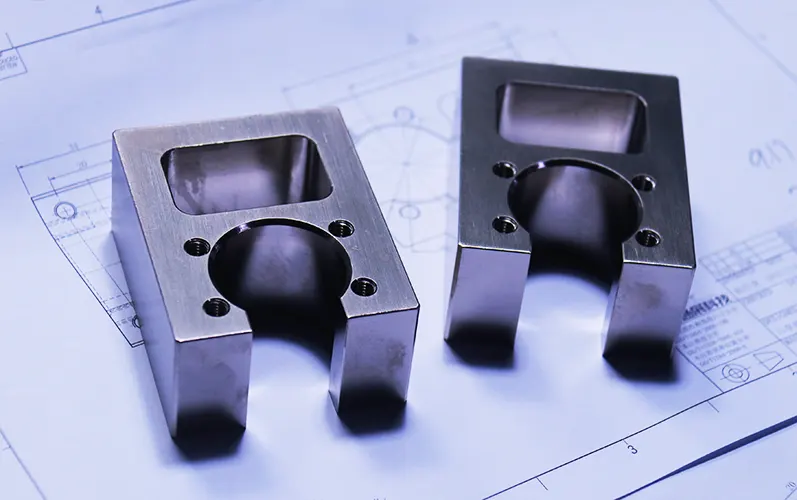
toolpath design and smoothing
Toolpath design and smoothing are key elements in CNC machining that directly affect surface quality, machining efficiency, and tool life. ⚙️💡
Here’s a breakdown 👇
🧭 What Is Toolpath Design?
Toolpath design is the process of planning the movement route of the cutting tool as it removes material.
A well-optimized toolpath ensures:
Common toolpath strategies include:
Zig-zag / raster cutting
Spiral / contour machining
Adaptive clearing for dynamic feed control
Trochoidal milling for high-speed machining
🌀 What Is Toolpath Smoothing?
Toolpath smoothing refines the path to reduce sharp direction changes and maintain constant tool motion.
This is often done using spline or NURBS curves instead of straight-line segments.
✅ Benefits:
⚙️ In Practice
Modern CAM systems integrate AI-based toolpath optimization and real-time smoothing algorithms, enabling high-speed, high-precision machining — especially for complex surfaces like molds, optics, and aerospace parts.
✨ In Summary
Smart toolpath design + smooth transitions = higher precision, longer tool life, and superior surface finish.