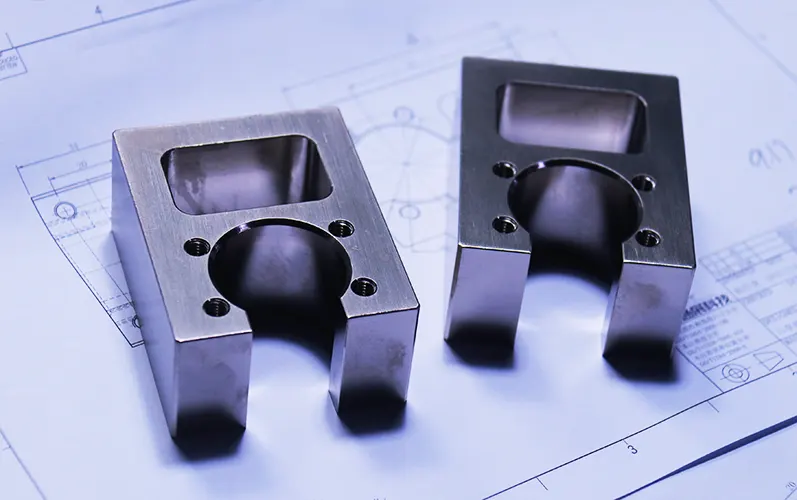
high-efficiency metal cutting
High-Efficiency Metal Cutting (HEMC) is a machining strategy designed to remove metal quickly and consistently while minimizing tool wear, machine stress, and energy consumption.
It is widely used in CNC milling, turning, and roughing operations, especially for aerospace, automotive, mold & die, and large-scale industrial components.
1. Core Principles of High-Efficiency Metal Cutting
HEMC focuses on optimizing the tool engagement, feed rates, and cutting parameters to maximize metal removal rate (MRR) without compromising tool life or surface quality.
Key principles include:
Constant Tool Engagement:
Optimized Axial Depth of Cut:
High Feed Rates with Moderate Spindle Speeds:
Use of Specialized Toolpaths:
2. Tooling for High-Efficiency Metal Cutting
Carbide or Coated End Mills: With high toughness and wear resistance
Variable Helix and Pitch Tools: Reduce chatter and vibration
High-Helix Geometry: Improves chip evacuation and reduces heat
Indexable Inserts: Ideal for large-scale roughing of hard metals
3. Machine and Process Requirements
Rigid CNC Machines: Minimize vibration and deflection
High-Power Spindles: To maintain cutting force during deep cuts
Adaptive Feed Control: Adjusts feed rates in real time to maintain constant tool load
High-Pressure Coolant: Reduces heat, improves tool life, and clears chips efficiently
4. Advantages of High-Efficiency Metal Cutting
| Advantage | Explanation |
|---|
| Higher Material Removal Rate (MRR) | Removes more material in less time without overloading the tool |
| Extended Tool Life | Constant load reduces sudden wear and tool breakage |
| Reduced Cycle Time | Optimized feed, depth, and toolpaths shorten production time |
| Improved Surface Quality | Minimizes chatter marks and tool deflection effects |
| Energy Efficiency | Lower energy per volume of material removed |
5. Common Applications
Aerospace Components: Turbine disks, structural parts, landing gear
Automotive Parts: Engine blocks, transmission housings
Mold & Die Manufacturing: Large molds, deep cavities
Heavy Equipment Components: Castings and forged parts
High-Precision Industrial Parts: Aerospace or medical machinery components