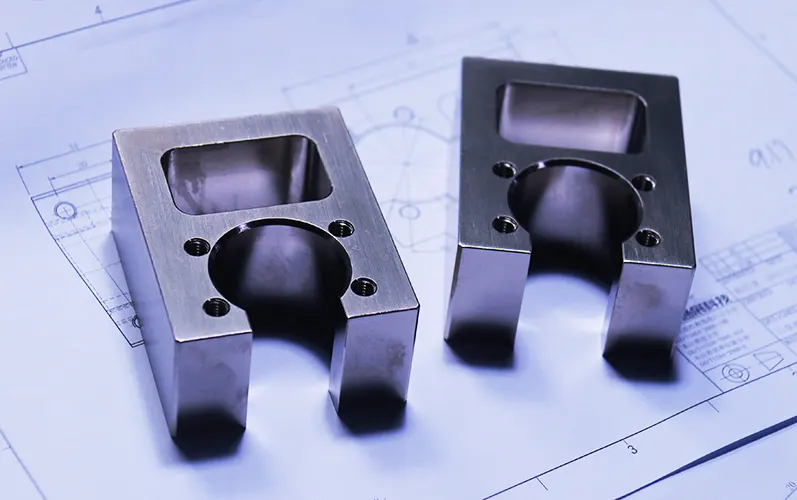
digital twin manufacturing
Digital Twin in manufacturing refers to the creation of a virtual replica of physical manufacturing systems, machines, or processes. This digital model mirrors real-world operations in real time, enabling manufacturers to analyze, simulate, and optimize production without physically interrupting operations.
1. Core Concept
A digital twin acts as a real-time, data-driven model of a factory, production line, or CNC machine.
It continuously receives data from IoT sensors, machines, and MES (Manufacturing Execution Systems), reflecting actual operating conditions.
Manufacturers can test scenarios virtually, predict issues, and optimize processes before making changes in the physical world.
2. Key Benefits in Manufacturing
Process Optimization
Predictive Maintenance
Quality Control
Cost Reduction
Faster Product Development
3. Applications
CNC Machining: Optimize tool paths, cutting speeds, and feed rates using digital twin feedback.
Smart Factories: Integrate machines, robots, and production lines for real-time monitoring and control.
Aerospace & Automotive: Simulate complex assemblies for performance, precision, and compliance.
Additive Manufacturing: Model part builds, thermal effects, and material behavior digitally.
4. Implementation Considerations
Data Collection: Reliable real-time data from sensors and IoT devices is essential.
System Integration: Connect with MES, ERP, and CNC systems for actionable insights.
Simulation Accuracy: 3D modeling and process simulation must reflect real-world physics.
Cybersecurity: Protect connected machines and sensitive production data.
Digital Twin technology enables manufacturers to create a connected, intelligent, and highly efficient production ecosystem, improving precision, reliability, and productivity.