What materials are milling machine worktables made of?
TonZaMaking
Materials Used in Milling Machine Worktables
In the world of manufacturing, milling machines are essential tools for shaping and cutting materials with precision. One of the key components of a milling machine is the worktable, where the material to be machined is positioned.
Worktables come in various materials, each with its own set of properties and advantages.
Cast Iron
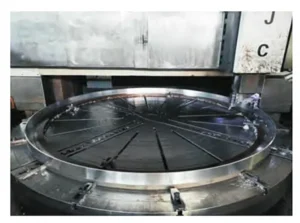
One of the most common materials used in milling machine worktables is cast iron. Cast iron is known for its exceptional strength and durability, making it an ideal choice for heavy-duty machining operations.
Cast iron worktables are resistant to wear and provide stability during the machining process. They also dampen vibrations, which helps in achieving higher levels of accuracy.
However, cast iron worktables can be heavy and may require additional support structures to prevent sagging over time.
Steel
Steel worktables are another popular choice for milling machines. The metal is known for its high tensile strength and toughness, making it suitable for a wide range of machining applications. Steel worktables are less prone to deformation under heavy loads compared to cast iron worktables.
They are also lighter in weight, making them easier to handle and install. However, steel worktables may not provide as much damping of vibrations as cast iron worktables.
Aluminum
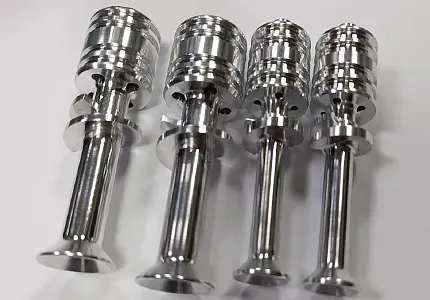
Aluminum worktables are commonly used in milling machines where weight is a concern. The metal is lightweight yet sturdy, making it an excellent choice for portable or benchtop milling machines. Aluminum worktables are also corrosion-resistant, which is beneficial in various machining environments.
However, aluminum worktables may not be as durable as cast iron or steel worktables, and they can be prone to scratching or denting if mishandled.
Composite Materials
Composite materials, such as epoxy granite or polymer concrete, are gaining popularity as worktable materials in milling machines.
These materials offer a high level of dampening for vibrations, resulting in improved machining accuracy. Composite worktables are also lightweight and resistant to temperature fluctuations, making them suitable for precision machining operations.
However, composite materials may not have the same level of strength as cast iron or steel, and they may require additional care to prevent cracking or chipping.
Ceramics
Ceramic worktables are known for their hardness and resistance to wear, making them suitable for high-speed machining applications. Ceramic worktables offer superior thermal stability and can withstand high temperatures without warping or deforming.
They also have low thermal expansion coefficients, which helps in maintaining accuracy during machining. However, ceramic worktables can be brittle and may chip or break if subjected to impact or excessive loading.
Conclusion
In conclusion, milling machine worktables are made from a variety of materials, each with its own set of characteristics and advantages.
From the strength of cast iron to the lightweight nature of aluminum, the choice of material for a worktable depends on the specific requirements of the machining operation.
Engineers and manufacturers should consider factors such as strength, weight, damping properties, and durability when selecting a worktable material for their milling machines.
By understanding the properties of different materials, professionals can make informed decisions to optimize the performance of their milling machines.