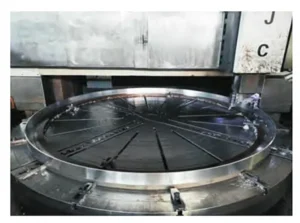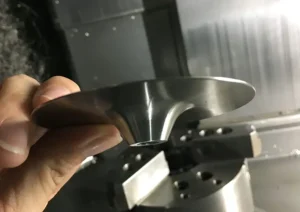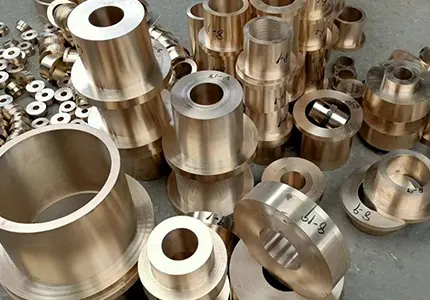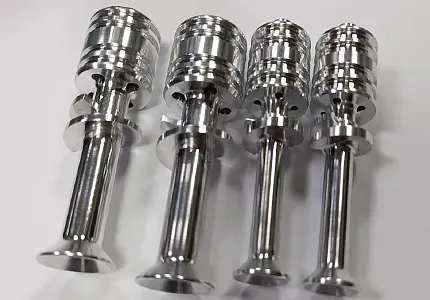
What is simultaneous 5-axis machining?
TonZaMaking
Simultaneous 5-Axis Machining
Simultaneous 5-axis machining is a cutting-edge manufacturing technique that offers increased efficiency and precision compared to traditional machining methods.
Introduction
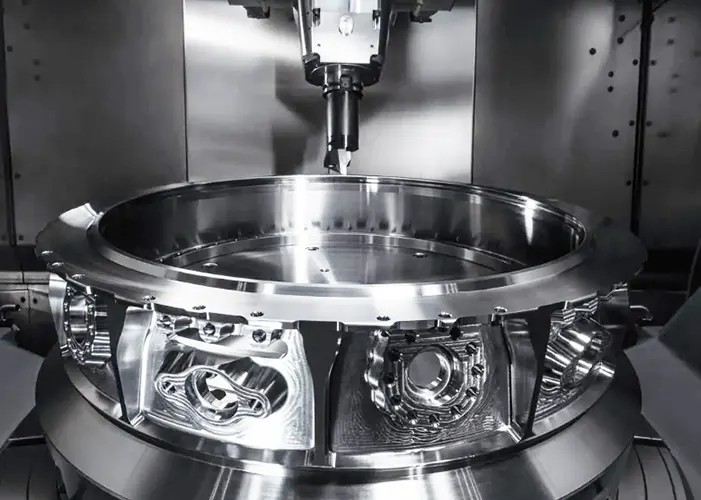
Simultaneous 5-axis machining is a manufacturing process that involves using a CNC machine to move a cutting tool along five axes simultaneously.
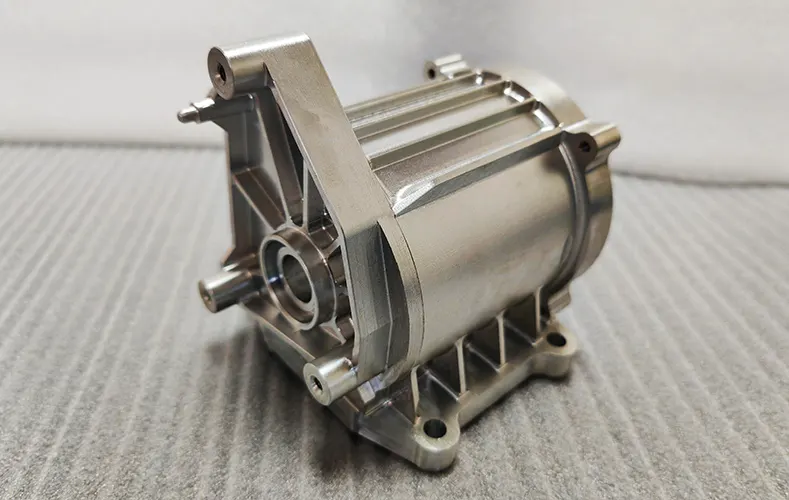
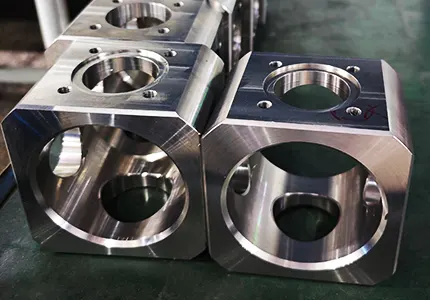
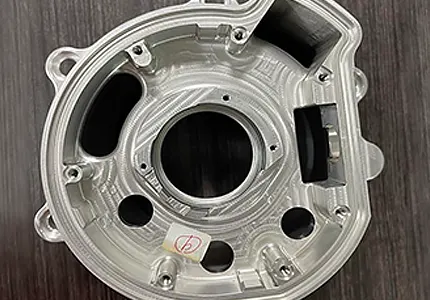
This allows for more complex and intricate shapes to be machined in a single setup, as opposed to traditional 3-axis machining which requires multiple setups to achieve the same result.
How Simultaneous 5-Axis Machining Works
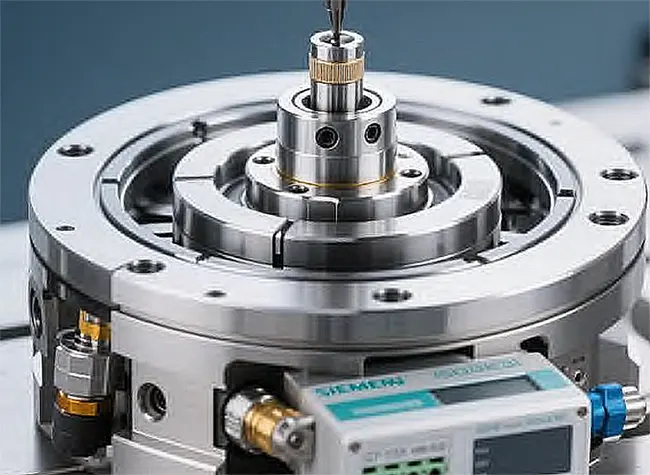
Simultaneous 5-axis machining works by rotating the cutting tool and the workpiece along multiple axes simultaneously, allowing for greater flexibility and precision in machining operations.
This simultaneous movement in five axes enables the cutting tool to access hard-to-reach areas of the workpiece, resulting in smoother surface finishes and tighter tolerances.
Benefits of Simultaneous 5-Axis Machining
There are several key benefits to using simultaneous 5-axis machining in manufacturing processes:
- Increased efficiency: Simultaneous 5-axis machining reduces the need for multiple setups, saving time and resources.
- Improved accuracy: The simultaneous movement along five axes allows for greater precision and tighter tolerances.
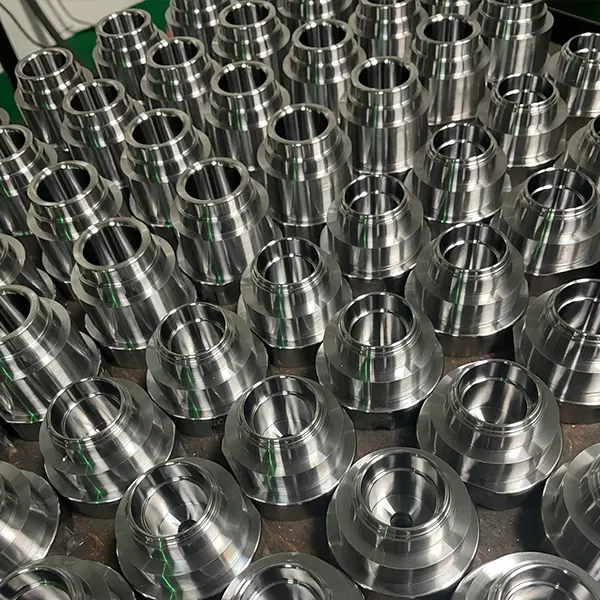
- Enhanced surface finish: The ability to access hard-to-reach areas of the workpiece results in smoother surface finishes.
- Reduced tool wear: Simultaneous 5-axis machining distributes cutting forces more evenly, reducing tool wear and extending tool life.
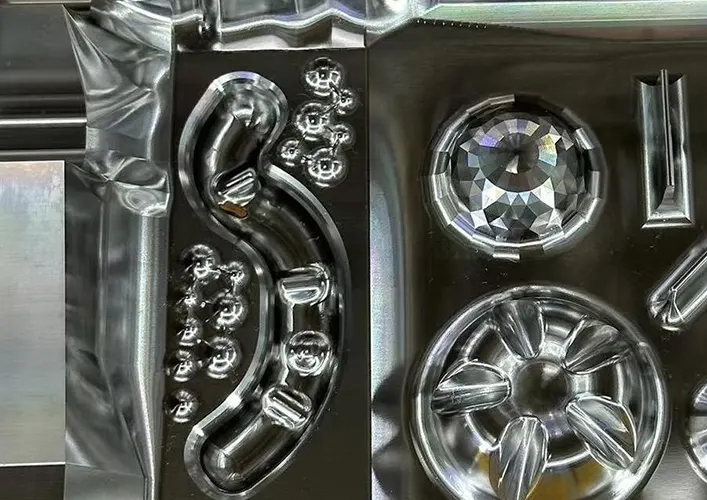
- Greater design flexibility: Simultaneous 5-axis machining enables the production of more complex and intricate shapes that would be difficult or impossible to achieve with traditional machining methods.
Applications of Simultaneous 5-Axis Machining
Simultaneous 5-axis machining is used in a wide range of industries, including aerospace, automotive, medical, and mold making. Some common applications of simultaneous 5-axis machining include:
- Complex aerospace components: Simultaneous 5-axis machining is used to produce complex aerospace components such as aircraft engine parts and turbine blades.
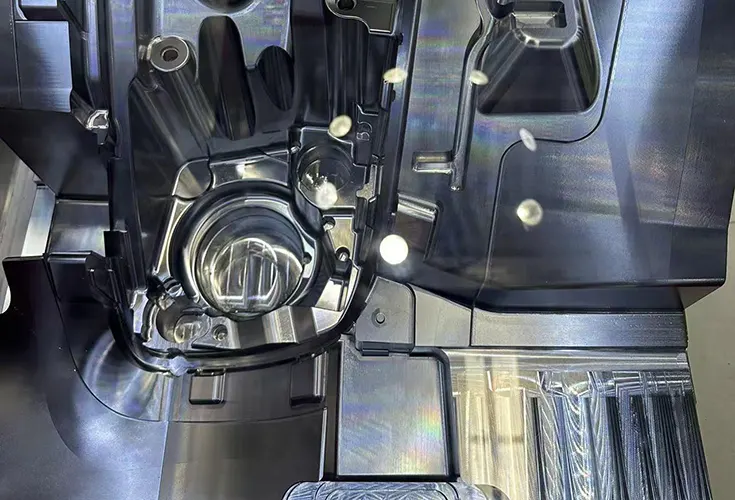
- Automotive tooling: Simultaneous 5-axis machining is used to manufacture automotive components such as molds, dies, and prototypes.
- Medical implants: Simultaneous 5-axis machining is used to produce intricate and precise medical implants such as hip and knee replacements.
- Mold making: Simultaneous 5-axis machining is used to create molds for injection molding and die casting processes.
Conclusion
Simultaneous 5-axis machining is a cutting-edge manufacturing technique that offers increased efficiency, accuracy, and design flexibility. By using a CNC machine to move a cutting tool along five axes simultaneously, manufacturers can produce complex and intricate parts with ease.
With its benefits of improved surface finish, reduced tool wear, and greater design flexibility, simultaneous 5-axis machining is becoming increasingly popular in industries such as aerospace, automotive, medical, and mold making.
As technology continues to advance, simultaneous 5-axis machining will likely play an even more significant role in the future of manufacturing.