
What is runout in CNC machining?
TonZaMaking
What is Runout in CNC Machining
Runout is a critical concept in the world of CNC machining. It refers to the amount of deviation from the desired circular path that a rotating tool exhibits. Understanding and controlling runout is crucial for achieving precise and accurate machining results. In this article, we will delve deeper into the concept of runout, its causes, effects, and how to minimize it in CNC machining processes.
Causes of Runout
Several factors can contribute to runout in CNC machining. Some of the common causes include:
- Worn or damaged tool holders
- Improper tool geometry
- Incorrect tool assembly
- Spindle misalignment
- Poor machine maintenance
Effects of Runout
Runout can have a significant impact on the quality of machined parts. Some of the effects of runout include:
- Poor surface finish
- Dimensional inaccuracies
- Tool wear
- Reduced tool life
Measuring Runout
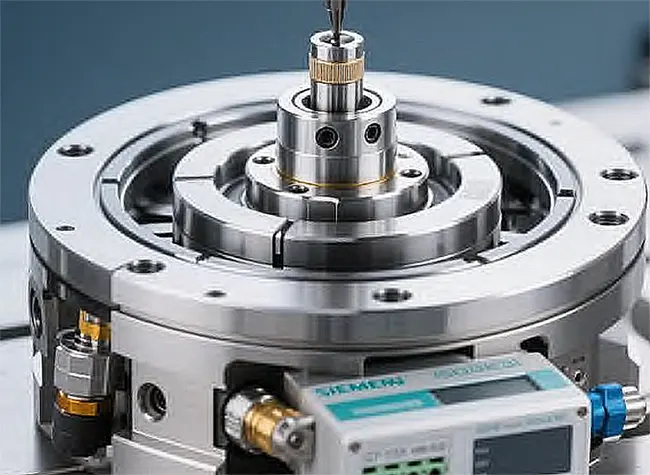
Runout can be measured using various methods, including a dial indicator or a laser alignment system. It is essential to regularly check and measure runout to ensure optimal machining performance.
Minimizing Runout
There are several ways to minimize runout in CNC machining processes. Some of the strategies include:
- Using high-quality tool holders
- Proper tool maintenance and inspection
- Regularly calibrating the machine tools
- Ensuring proper spindle alignment
- Implementing a preventive maintenance program
Conclusion
Runout is a critical factor that can greatly affect the quality and accuracy of machined parts in CNC machining. By understanding the causes and effects of runout and implementing strategies to minimize it, manufacturers can achieve consistent and precise machining results. Regular monitoring and maintenance are key to ensuring optimal machining performance and prolonging tool life.