What is an end mill cutter?
TonZaMaking
What is an End Mill Cutter?
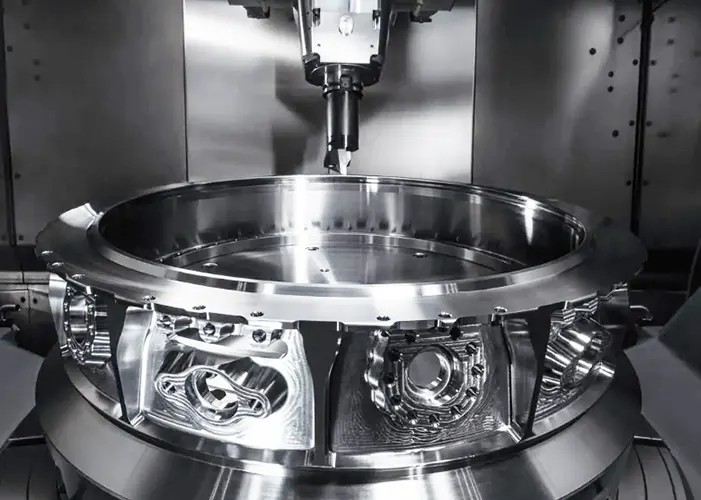
End mills are one of the most widely used tools in the manufacturing industry, especially in the field of machining. An end mill cutter is a type of milling cutter that is primarily used to shape and cut a wide variety of materials.
It is a crucial tool in the process of removing material from a workpiece by feeding the cutter into the workpiece at various angles.
Types of End Mill Cutters
There are several types of end mill cutters, each designed for specific applications and materials. Some of the most common types include:
- Ball end mills
- Flat end mills
- Corner radius end mills
- Roughing end mills
- End mills with variable helix angles
Components of an End Mill Cutter
End mill cutters typically consist of several important components that work together to achieve precise cutting and shaping of materials. These components include:
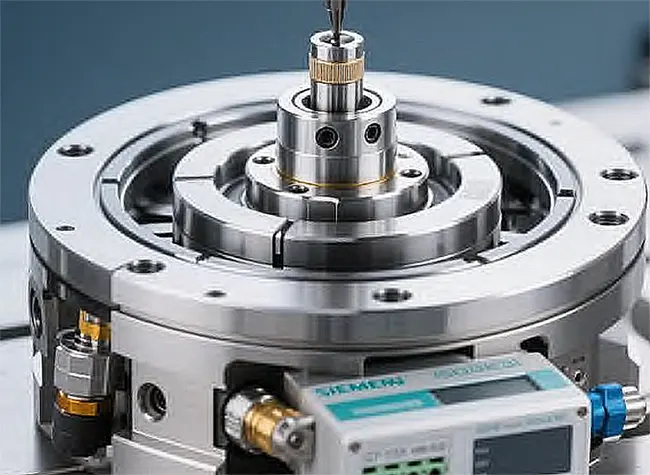
- Shank: the shank is the portion of the end mill cutter that is held in the tool holder
- Flutes: the flutes are the grooves or channels on the cutting edge of the end mill that allow for efficient chip removal
- Cutting edge: the cutting edge is the sharp edge of the end mill cutter that actually removes material from the workpiece
- Helix angle: the helix angle refers to the angle at which the flutes are oriented around the axis of the end mill cutter
Materials Used in End Mill Cutters
End mill cutters are typically made from various materials, each offering different strengths and weaknesses. Some of the most common materials used in end mill cutters include:
- High-speed steel (HSS)
- Carbide
- Cobalt
- Ceramic
- Diamond
Applications of End Mill Cutters
End mill cutters are incredibly versatile tools that can be used in a wide range of applications. Some common applications of end mill cutters include:
- Milling: end mill cutters are commonly used in milling operations to remove material from a workpiece
- Drilling: end mill cutters can also be used for drilling holes in a workpiece
- Contouring: end mill cutters are often used for contouring or shaping complex parts
- Slotting: end mill cutters can be used to create slots in a workpiece
Choosing the Right End Mill Cutter
Choosing the right end mill cutter for a specific application is crucial to achieving optimal results. Factors to consider when selecting an end mill cutter include:
- Material of the workpiece
- Type of operation (milling, drilling, etc.)
- Depth of cut
- Speed and feed rates
- Tool geometry
Conclusion
End mill cutters are essential tools in the manufacturing industry, offering precision and versatility in a wide range of applications.
By understanding the different types of end mill cutters, their components, materials, and applications, engineers with manufacturing backgrounds can make informed decisions when selecting the right tool for a specific job.