
How to operate a 5 axis cnc machine?
TonZaMaking
The Ultimate Guide on How to Operate a 5 Axis CNC Machine
Welcome to the ultimate guide on how to operate a 5 axis CNC machine. In this article, we will walk you through the process of setting up and using a 5 axis CNC machine, and provide you with valuable tips and tricks to maximize its efficiency and accuracy.
Whether you are a seasoned engineer or just starting out in the world of manufacturing, this guide is designed to help you unlock the full potential of your 5 axis CNC machine.
Introduction
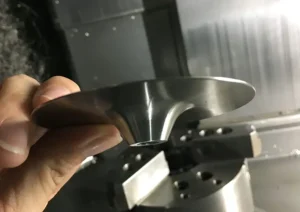
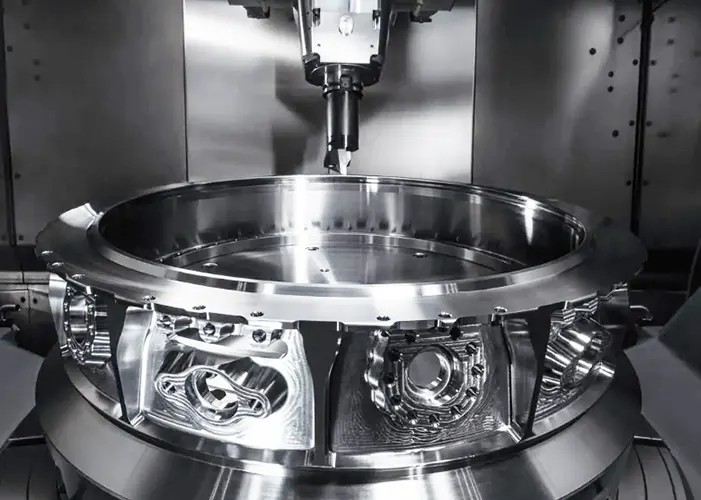
Before we dive into the specifics of operating a 5 axis CNC machine, let’s first understand what sets it apart from other CNC machines. A 5 axis CNC machine is capable of moving a workpiece or cutting tool in five different directions simultaneously.
This level of versatility allows for more complex and intricate machining operations, making it ideal for industries such as aerospace, automotive, and medical.
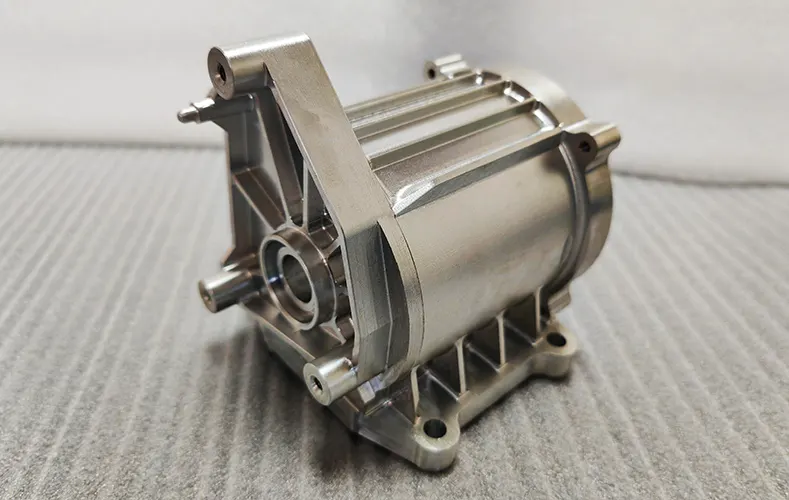
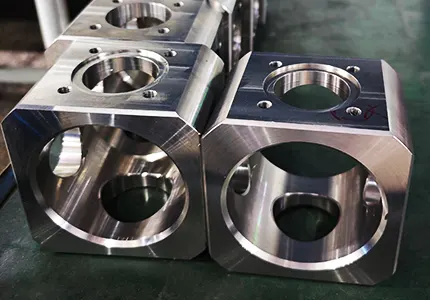
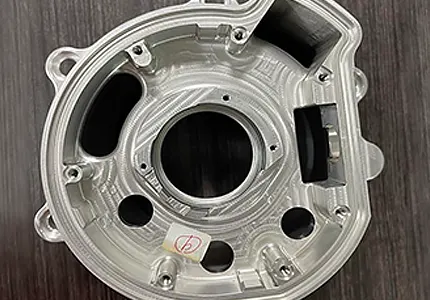
One of the key benefits of a 5 axis CNC machine is the ability to machine complex geometries with a high level of precision. By utilizing all five axes, you can access different sides of the workpiece without the need for repositioning, resulting in faster cycle times and improved accuracy.
Setting Up Your 5 Axis CNC Machine
Proper setup is crucial to ensuring the success of your machining operations. Follow these steps to set up your 5 axis CNC machine:
Step 1: Check Machine Alignment
Before starting any machining operation, it is important to check the alignment of your 5 axis CNC machine. Make sure that all axes are properly aligned and parallel to each other to avoid any issues during machining.
Step 2: Secure Workpiece
Once your machine is properly aligned, secure the workpiece on the machine table using clamps or vises. Make sure that the workpiece is firmly held in place to prevent any movement during machining.
Step 3: Set Work Offsets
Next, you will need to set the work offsets for your workpiece. This involves entering the coordinates of the workpiece origin in the machine’s control software. This step is crucial for accurately positioning the cutting tool relative to the workpiece.
Step 4: Select Cutting Tools
Choose the appropriate cutting tools for your machining operation based on the material and geometry of the workpiece. Make sure to install the cutting tools securely in the machine’s spindle and set the tool offsets accordingly.
Operating Your 5 Axis CNC Machine
Now that your 5 axis CNC machine is set up and ready to go, it’s time to start machining your workpiece. Follow these steps to operate your machine effectively:
Step 1: Load the CNC Program
Load the CNC program for your machining operation into the machine’s control software. Make sure to verify the tool paths and cutting parameters before running the program to avoid any errors.
Step 2: Test Run
Before cutting your workpiece, perform a test run to ensure that the machine is operating correctly. Check for any unusual noises or vibrations that may indicate issues with the machine or cutting tools.
Step 3: Start Machining
Once you have completed the test run, you can start machining your workpiece. Monitor the machining process carefully and make any necessary adjustments to cutting parameters or tool paths as needed.
Tips and Tricks for Maximizing Efficiency
Here are some tips and tricks to help you maximize the efficiency of your 5 axis CNC machine:
Tip 1: Optimize Tool Paths
Optimize the tool paths in your CNC program to minimize tool changes and travel distances. This will help reduce cycle times and improve overall efficiency.
Tip 2: Use High-Quality Cutting Tools
Invest in high-quality cutting tools that are compatible with your machine and workpiece material. Sharp and durable cutting tools will produce better surface finishes and prolong tool life.
Tip 3: Implement Coolant Systems
Use coolant systems to dissipate heat and lubricate cutting tools during machining. This will not only improve tool life but also prevent workpiece distortion and improve surface finish.
Conclusion
Operating a 5 axis CNC machine can be a challenging yet rewarding experience. By following the steps outlined in this guide and implementing the tips and tricks provided, you can unlock the full potential of your machine and achieve superior machining results.
Remember to always prioritize safety and precision in your machining operations to ensure the success of your projects.