How does the precision of a worktable milling machine affect the quality of machined parts?
TonZaMaking
Introduction
In the world of manufacturing, precision is paramount. The accuracy and consistency of machined parts can make all the difference between success and failure in a project. One crucial tool that plays a significant role in achieving precision is the worktable milling machine.
The precision of this machine directly impacts the quality of the machined parts it produces.
The Importance of Precision in Worktable Milling Machines
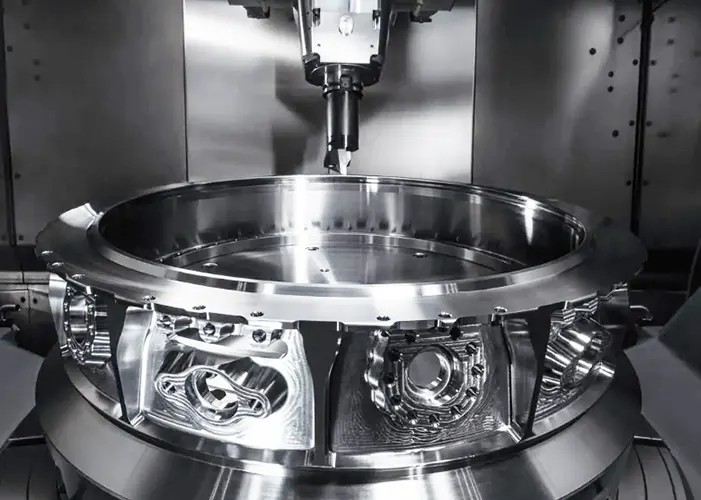
Precision is a fundamental aspect of worktable milling machines. These machines are used to shape and cut materials with utmost accuracy, creating parts that meet exact specifications.
A worktable milling machine with high precision ensures that each cut, hole, or surface finish is consistent and error-free. This precision is essential for producing high-quality parts that fit together seamlessly and function as intended.
Factors Influencing Precision in Worktable Milling Machines
Several factors contribute to the precision of a worktable milling machine. Engineers must consider these factors to ensure the machine operates at its best and produces quality machined parts:
Stability of the Machine
The stability of a worktable milling machine is crucial for maintaining precision. A sturdy and rigid machine frame reduces vibrations and ensures that the cutting tools move smoothly along the material.
Any flexing or movement in the machine can lead to inaccuracies in the machined parts.
Positioning Accuracy
The positioning accuracy of a worktable milling machine refers to how precisely the machine can move the cutting tool to a specific location. This accuracy is essential for creating holes, slots, and other features in the material with exact dimensions.
High-quality linear guides and ball screws are components that contribute to precise positioning in a milling machine.
Spindle Runout
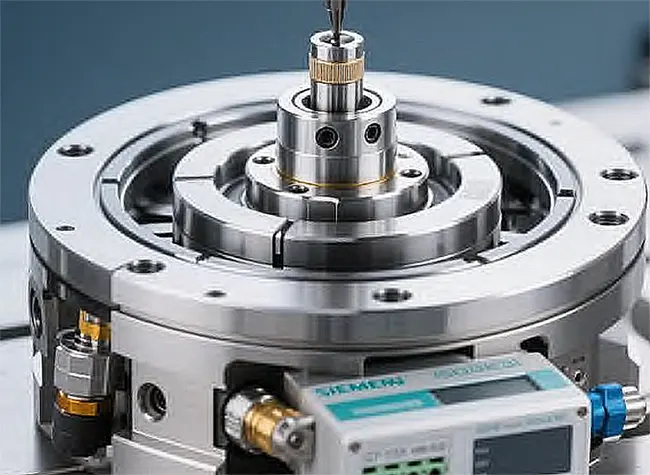
Spindle runout is the amount of deviation in the spindle rotation from a true axis.
A worktable milling machine with low spindle runout ensures that the cutting tool spins concentrically, resulting in accurate cuts and surface finishes. Any runout in the spindle can lead to dimensional errors in the machined parts.
Tool Runout
Similar to spindle runout, tool runout refers to the deviation in the cutting tool’s rotation from a true axis.
High tool runout can cause irregularities in the machined parts, affecting surface finish and dimensions. Engineers must ensure that the tool holder and cutting tools are properly aligned to minimize runout.
Cutting Tool Selection
The selection of cutting tools plays a crucial role in achieving precision in worktable milling machines. Engineers must choose the right tool geometry, material, and coating for the specific machining operation.
Using the correct cutting tools minimizes tool wear, improves surface finish, and enhances dimensional accuracy in the machined parts.
Machine Calibration and Maintenance
Regular calibration and maintenance of a worktable milling machine are essential for preserving precision.
Engineers should routinely check and adjust machine components, such as ball screws, linear guides, and spindle alignment, to ensure they are operating within specified tolerances.
Proper maintenance prolongs the machine’s lifespan and maintains its accuracy over time.
Impact of Precision on Machined Parts Quality
The precision of a worktable milling machine directly affects the quality of machined parts in several ways:
Dimensional Accuracy
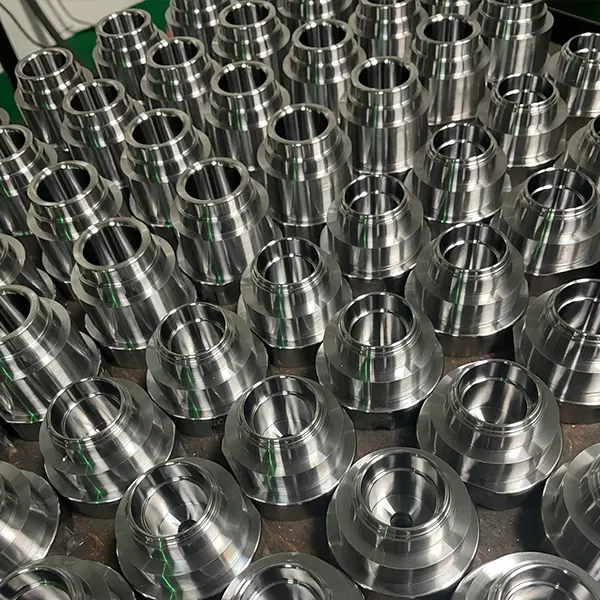
A high-precision milling machine produces parts with precise dimensions, ensuring they meet the required tolerances.
Dimensional accuracy is crucial for parts that need to fit together or function within specific mechanical assemblies. Any deviation in dimensions can lead to assembly errors and functional issues.
Surface Finish
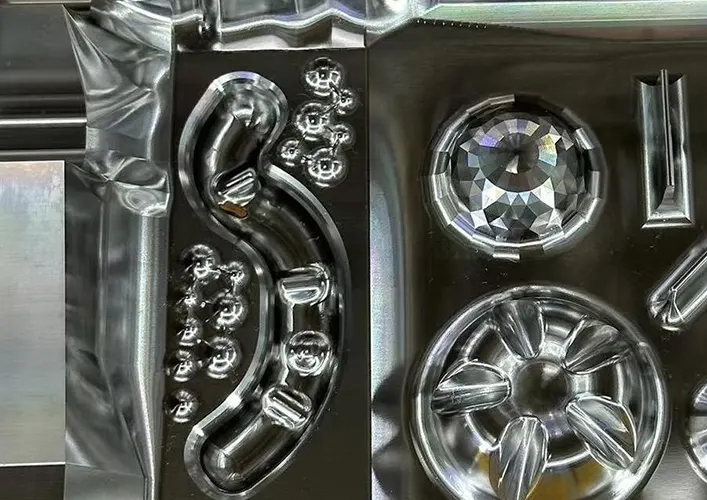
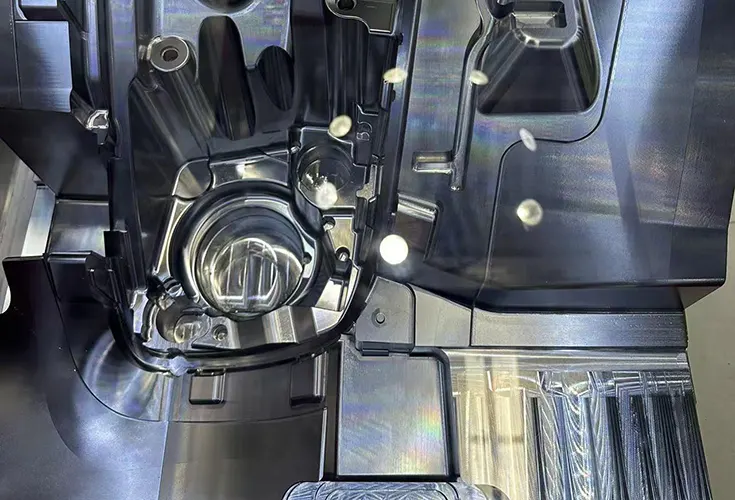
Precision in milling machines results in smooth and uniform surface finishes on machined parts. High-quality finishes are essential for parts that require sealing, coating, or aesthetic appeal.
A worktable milling machine with low spindle runout and tool runout produces parts with superior surface finishes, reducing the need for additional finishing operations.
Repeatability
Precision in machining ensures repeatability in part production. A worktable milling machine that consistently produces accurate parts allows engineers to replicate the same dimensions and features in multiple workpieces.
Repeatability is essential for batch production and ensuring uniformity across a set of machined parts.
Conclusion
The precision of a worktable milling machine is a critical factor in determining the quality of machined parts.
Engineers with a manufacturing background must understand the various factors that influence precision in milling machines, such as stability, positioning accuracy, spindle runout, and tool selection.
By focusing on achieving high precision and maintaining machine accuracy through calibration and maintenance, engineers can ensure the production of high-quality parts that meet strict specifications and performance requirements.