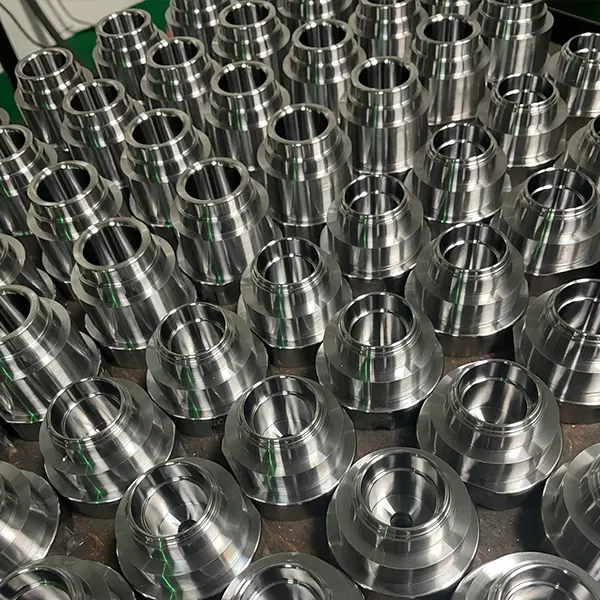

How does a 4 axis cnc machine work?
TonZaMaking
How Does a 4 Axis CNC Machine Work?
When it comes to advanced manufacturing techniques, Computer Numerical Control (CNC) machines stand out as one of the most critical tools for precision engineering.
Among the various types of CNC machines available, the 4 axis CNC machine is particularly popular for its versatility and ability to perform complex machining operations.
Introduction to 4 Axis CNC Machines
A 4 axis CNC machine is a sophisticated piece of equipment that can move a cutting tool or workpiece in four different directions simultaneously.
This capability allows the machine to perform intricate cutting, milling, drilling, and engraving tasks with high precision and efficiency.
The four axes of motion include X, Y, Z, and an additional rotary axis, which enables the machine to rotate the workpiece or tool around a specific axis.
Compared to 3 axis CNC machines, which are limited to moving in three perpendicular directions, 4 axis CNC machines offer greater flexibility and control over the machining process.
This additional axis of rotation opens up a whole new dimension of possibilities for creating complex and intricately detailed parts.
Components of a 4 Axis CNC Machine
Like all CNC machines, a 4 axis CNC machine consists of several key components that work together to execute precise machining operations. These components include:
| 1. Control Panel: | The control panel houses the computerized control unit that directs the movements of the machine based on the programmed instructions. |
| 2. Axis Motors: | Each axis of the machine is equipped with a motor that drives the movement of the cutting tool or workpiece along that particular axis. |
| 3. Cutting Tool: | The cutting tool is mounted on a spindle and is responsible for removing material from the workpiece to create the desired shape. |
| 4. Workpiece: | The workpiece is the material being machined, whether it is metal, wood, plastic, or any other material. |
| 5. Rotary Axis: | The rotary axis allows the workpiece or cutting tool to rotate around a specific axis, adding a fourth dimension of motion to the machine. |
By coordinating the movements of these components, a 4 axis CNC machine can perform a wide range of machining tasks with high accuracy and repeatability.
Working Principle of a 4 Axis CNC Machine
The operation of a 4 axis CNC machine is based on the utilization of computer-aided design (CAD) software to create a digital model of the part to be machined.
This model is then converted into a series of instructions, known as G-codes, that tell the machine how to move and position the cutting tool in order to produce the desired shape.
When the machining process begins, the CNC machine reads and interprets these G-codes to determine the toolpath and sequence of operations needed to create the part.
The control panel sends signals to the axis motors and rotary axis, instructing them to move the cutting tool in a coordinated manner along the X, Y, Z, and rotational axes.
As the cutting tool removes material from the workpiece, the rotary axis can be used to rotate the part at precise angles, allowing for complex geometries and intricate designs to be produced with ease.
This multi-axis movement capability sets 4 axis CNC machines apart from their 3 axis counterparts and opens up new possibilities for innovative manufacturing processes.
Applications of 4 Axis CNC Machines
4 axis CNC machines are widely used in various industries for their ability to produce complex and precise parts with efficiency. Some common applications of 4 axis CNC machining include:
- Prototyping: 4 axis CNC machines are ideal for creating prototypes of new products with intricate designs and geometries.
- Mold Making: The ability to rotate the workpiece allows for the creation of molds with complex shapes and contours.
- Aerospace: 4 axis CNC machines are used in the aerospace industry to manufacture aircraft components with tight tolerances.
- Automotive: Automotive manufacturers utilize 4 axis CNC machines for producing engine parts, chassis components, and custom accessories.
- Medical: The medical industry relies on 4 axis CNC machining for creating surgical instruments, prosthetics, and medical devices.
Overall, the versatility and precision of 4 axis CNC machines make them indispensable tools for modern manufacturing processes across a wide range of industries.
Advantages of 4 Axis CNC Machines
There are several key advantages to using a 4 axis CNC machine for machining operations:
- Increased Efficiency: The ability to move in four axes simultaneously allows for faster and more efficient machining of complex parts.
- Improved Accuracy: The multi-axis movement capability of 4 axis CNC machines results in higher accuracy and repeatability in part production.
- Enhanced Flexibility: The additional rotary axis enables the machine to create intricate designs and perform a wider range of operations.
- Cost-Effective: Despite their advanced capabilities, 4 axis CNC machines offer a cost-effective solution for producing complex parts.
These advantages make 4 axis CNC machines a valuable asset for manufacturers looking to increase productivity, quality, and innovation in their machining processes.
Conclusion
In conclusion, a 4 axis CNC machine is a sophisticated piece of equipment that offers enhanced capabilities for complex machining operations.
By incorporating a rotary axis into the traditional X, Y, and Z axes, these machines enable manufacturers to create intricate designs and precise parts with efficiency and accuracy.
From prototyping to aerospace and automotive applications, 4 axis CNC machines play a vital role in advancing modern manufacturing processes.
With their versatility, precision, and cost-effectiveness, 4 axis CNC machines are a valuable asset for any engineering group with a manufacturing background.