
What is spindle orientation in CNC machining?
TonZaMaking
Understanding Spindle Orientation in CNC Machining
As engineers with a manufacturing background, it’s crucial to have a solid understanding of spindle orientation in CNC machining. Spindle orientation plays a vital role in the overall performance and accuracy of CNC machines, impacting the quality of the finished product.
What is Spindle Orientation?
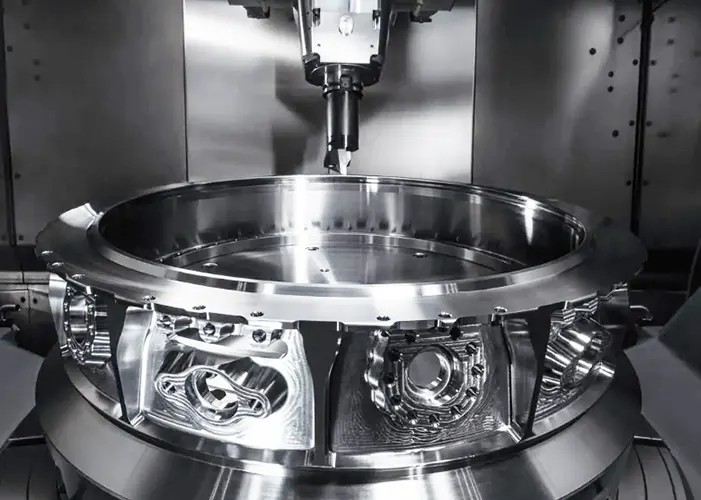
Spindle orientation refers to the position and orientation of the cutting tool spindle in relation to the workpiece in a CNC machine.
It determines the angle at which the cutting tool approaches the workpiece, affecting the precision and efficiency of the machining process.
Spindle orientation allows the machine to perform various operations, such as drilling, milling, and threading, with high levels of accuracy and repeatability.
Importance of Spindle Orientation in CNC Machining
Proper spindle orientation is critical to achieving precise and consistent results in CNC machining. It ensures that the cutting tool is aligned correctly with the workpiece, preventing errors and inaccuracies.
By maintaining the desired orientation, the machine can execute complex machining operations with tight tolerances, producing high-quality parts within specified specifications.
Additionally, spindle orientation enhances the overall efficiency of the machining process by minimizing setup time and reducing production costs.
By optimizing the orientation of the cutting tool, manufacturers can improve productivity and maximize the utilization of CNC machines, leading to higher output and profitability.
How Spindle Orientation Works
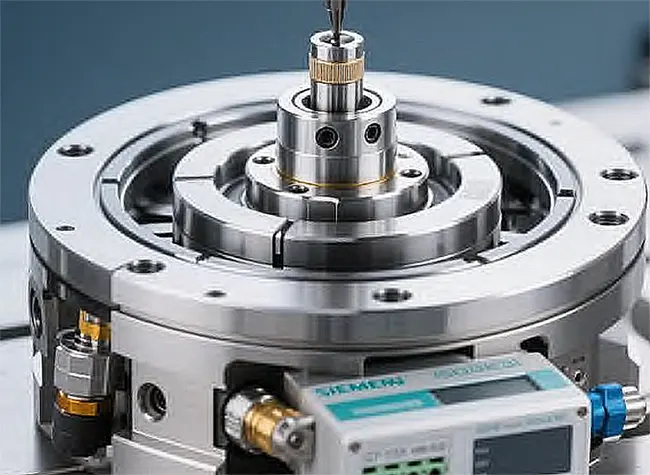
Spindle orientation in CNC machining is achieved through the use of specialized software and hardware components that control the position and movement of the cutting tool spindle.
The CNC controller communicates with the spindle motor to adjust its orientation based on the machining requirements programmed into the system.
By accurately positioning the spindle, the machine can perform intricate cuts and contours with precision and accuracy.
During the machining process, the CNC machine receives commands from the operator or program to orient the spindle to the desired angle and position.
The spindle motor then rotates the cutting tool to the specified orientation, allowing it to engage with the workpiece at the correct angle and depth.
This precise control over spindle orientation enables the machine to execute complex machining operations with utmost precision and repeatability.
Types of Spindle Orientation Systems
There are several types of spindle orientation systems used in CNC machining, each offering unique advantages and capabilities. Some of the most common spindle orientation systems include:
Mechanical Orientation System
The mechanical orientation system relies on mechanical components, such as gears, cams, and linkages, to adjust the position of the cutting tool spindle.
This system is simple and cost-effective, making it ideal for basic machining operations that require minimal precision and accuracy.
Hydraulic Orientation System
The hydraulic orientation system uses hydraulic actuators to control the orientation of the spindle.
This system provides rapid and precise adjustments to the spindle position, making it suitable for high-speed machining applications that demand superior accuracy and performance.
Electric Orientation System
The electric orientation system utilizes electric motors and sensors to orient the spindle with precision and accuracy.
This system offers fast response times and precise control over the spindle position, making it ideal for complex machining operations that require high levels of accuracy and repeatability.
Conclusion
Spindle orientation is a critical aspect of CNC machining that directly influences the quality, precision, and efficiency of the machining process.
By understanding the importance of spindle orientation and the different types of orientation systems available, engineers can optimize their CNC machines for maximum performance and productivity.
With proper spindle orientation, manufacturers can achieve superior results, minimize errors, and increase overall profitability in their manufacturing operations.