
What is end Mill in CNC machining?
TonZaMaking
Introducing the End Mill in CNC Machining
End mills are an essential tool in the world of CNC machining, serving as the primary cutting tool for a wide range of milling operations. These tools are crucial for creating precise, intricate shapes and designs in various materials, making them indispensable in the manufacturing industry.
The Basics of End Mills
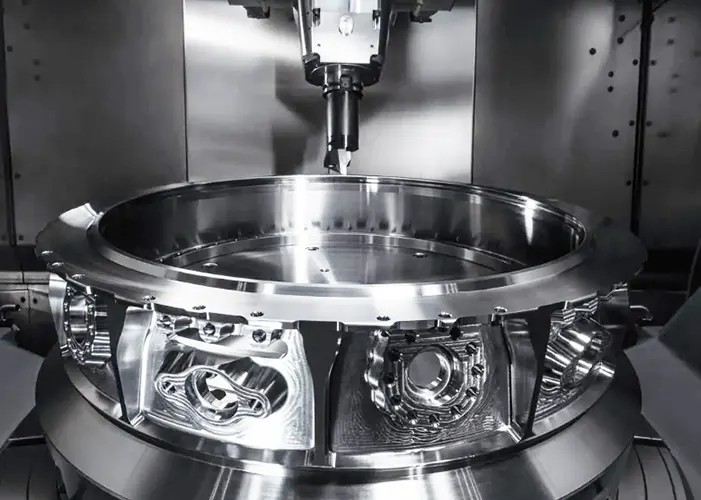
An end mill is a type of milling cutter that is used to remove material from a workpiece by rotating the cutter along its axis. End mills have cutting edges on the bottom and the sides, allowing them to make precise cuts in multiple directions.
These tools come in various sizes, shapes, and materials to suit different machining needs.
End mills are typically made of high-speed steel (HSS), cobalt steel, or carbide, with carbide end mills being the most popular choice due to their durability and ability to handle high-speed machining operations.
The cutting edges of end mills can be straight, ball-nose, corner-radius, or chamfer, each serving a specific purpose in CNC milling.
Types of End Mills
There are several types of end mills that cater to different machining requirements. Some common types include:
1. Square End Mills: These end mills have a sharp corner at the bottom, making them ideal for creating square slots, pockets, and edges.
2. Ball Nose End Mills: Ball nose end mills have a rounded end that allows for smooth contouring and sculpting of surfaces. They are commonly used for 3D profiling and finishing operations.
3. Corner Radius End Mills: These end mills have a rounded corner that helps reduce wear and tear on the tool and produces finer finishes on the workpiece.
4. Chamfer End Mills: Chamfer end mills are designed to create angled cuts or chamfers on the edges of a workpiece. They are often used for deburring and finishing operations.
Features of End Mills
End mills come with various features that enhance their performance and durability. Some common features to look out for include:
1. Flutes: The number of flutes on an end mill determines its chip-carrying capacity and cutting efficiency. End mills with more flutes are suitable for high-speed machining and finishing operations.
2. Coating: Many end mills come with a coating such as TiN (Titanium Nitride) or TiAlN (Titanium Aluminum Nitride) to improve their wear resistance, heat resistance, and lubricity.
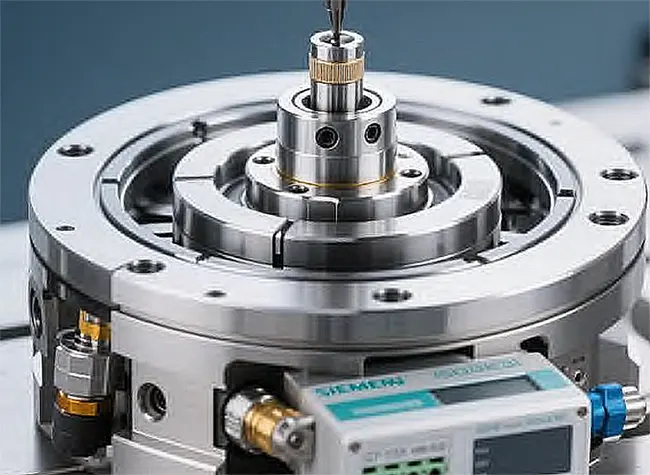
3. Shank Diameter: The shank diameter of an end mill should match the collet size of the CNC machine to ensure a secure fit and proper tool alignment.
4. Length of Cut: The length of cut refers to the portion of the end mill that is engaged in cutting the workpiece. Choosing the right length of cut is crucial for achieving accurate and efficient machining results.
Applications of End Mills
End mills find applications in a wide range of industries and machining operations, including:
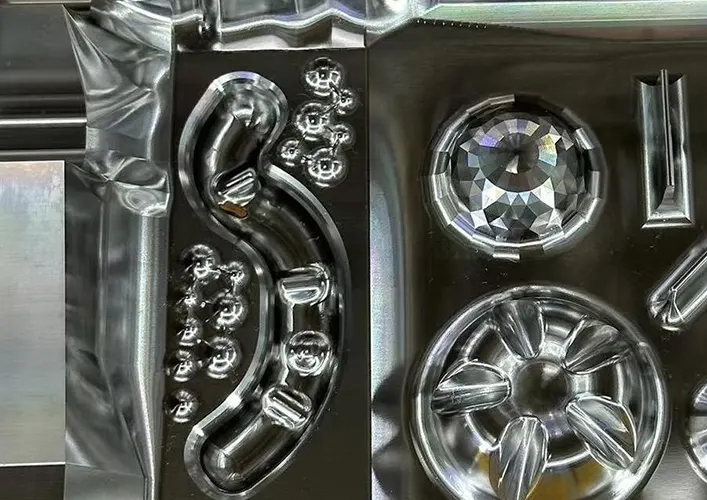
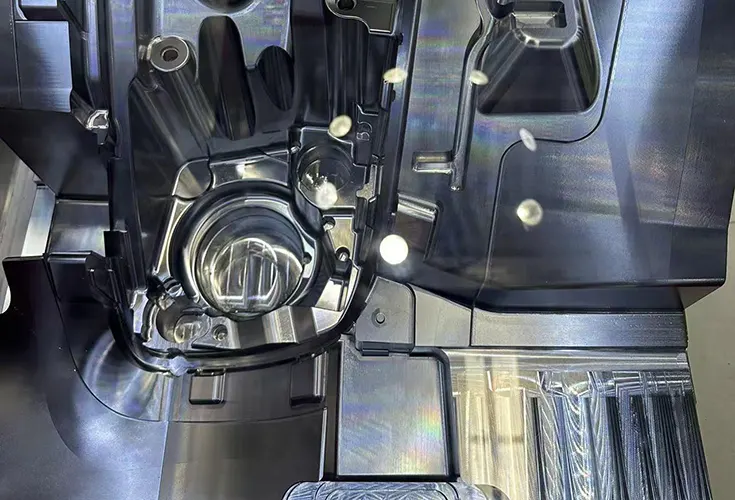
1. Mold Making: End mills are used to create molds for injection molding, die casting, and other manufacturing processes.
2. Aerospace Industry: End mills are essential for machining complex aerospace components with tight tolerances and intricate designs.
3. Automotive Industry: End mills play a vital role in manufacturing automotive parts such as engine components, chassis, and interiors.
4. Medical Industry: End mills are used to produce medical devices, implants, and surgical instruments with precision and accuracy.
Conclusion
End mills are indispensable tools in CNC machining, offering precision, versatility, and efficiency in a wide range of milling operations.
By understanding the different types, features, and applications of end mills, engineers and manufacturers can select the right tool for their specific machining needs and achieve superior results in their manufacturing processes.