What is the main function of the milling machine's worktable?
TonZaMaking
The Main Function of the Milling Machine’s Worktable
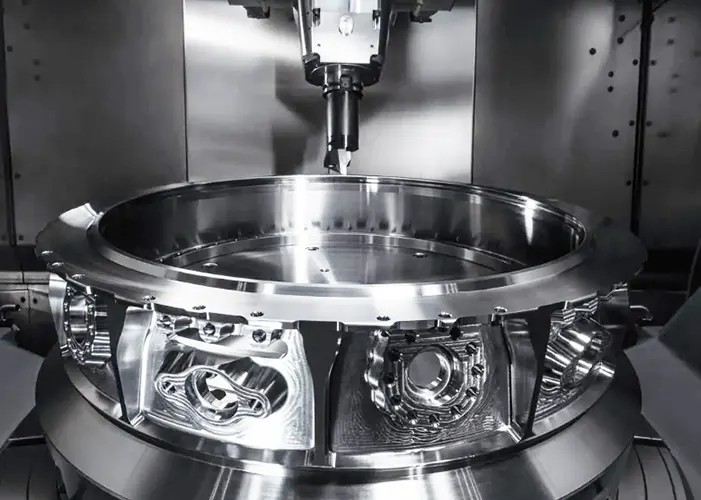
In the world of manufacturing, milling machines play a crucial role in shaping and cutting materials to create precise components. One key component of a milling machine is the worktable, which serves as the platform where the workpiece is secured during the machining process.
Introduction to Milling Machine’s Worktable
The worktable of a milling machine is a flat surface that is designed to hold the workpiece securely in place during the cutting or shaping process. It is typically made of heavy-duty materials such as cast iron to provide stability and support for the workpiece.
The worktable can be adjusted to different angles and heights to accommodate various cutting operations, making it a versatile component of the milling machine.
One of the main functions of the milling machine’s worktable is to provide a stable platform for the workpiece. The worktable is equipped with T-slots that allow clamping devices to secure the workpiece in place, preventing any movement during the machining process.
This ensures that the cutting tool can work accurately and precisely to create the desired shape or dimension of the component.
Types of Worktables
The operator uses several types of worktables in milling machines, each offering its own unique features and capabilities. The most common types of worktables include:
- Plain Worktable: A flat surface without any additional features, suitable for simple machining operations.
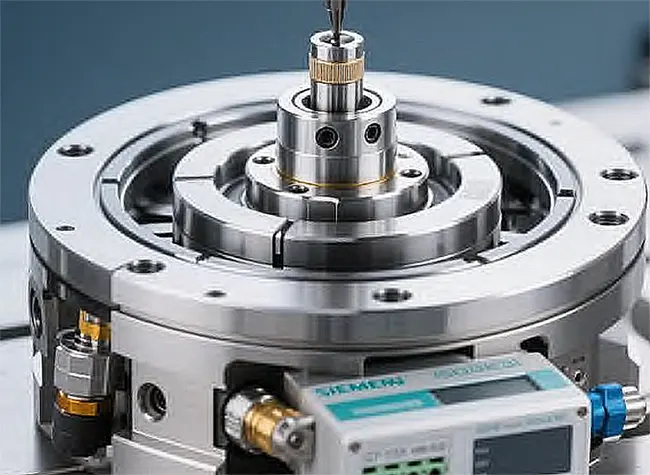
- Rotary Worktable: A worktable that can be rotated to perform complex cutting tasks from different angles.
- Universal Worktable: A versatile worktable that can be tilted or swiveled to accommodate various cutting operations.
- Dividing Head Worktable: A worktable that is equipped with a dividing head for precision cutting and indexing of the workpiece.
Each type of worktable has its own advantages and applications, depending on the specific requirements of the machining task at hand. Engineers and machinists can choose the most suitable worktable based on the complexity of the workpiece and the desired machining outcome.
Functions of the Worktable
The worktable of a milling machine serves several important functions that contribute to the overall efficiency and accuracy of the machining process. Some of the main functions of the worktable include:
- Securing the Workpiece: The primary function of the worktable is to securely hold the workpiece in place during the cutting operation. This prevents any movement or vibration of the workpiece, ensuring precise cutting and shaping.
- Adjustability: The operator adjusts the worktable to different angles and heights to accommodate various cutting operations, such as milling, drilling, or boring. This flexibility allows for versatile machining capabilities.
- Clamping Devices: The T-slots on the worktable allow the operator to attach clamping devices that hold the workpiece firmly in place. This ensures stability and accuracy during the cutting process.
- Rotary Motion: In the case of a rotary worktable, the rotation of the workpiece enables the operator to perform complex cutting tasks from different angles. This is useful for shaping curved or intricate components.
- Indexing: Worktables with dividing heads allow the operator to perform precision cutting and index the workpiece accurately. This feature is essential for creating precise gears, splines, or other components that require accurate positioning.
Importance of the Worktable
The worktable of a milling machine is a critical component that plays a vital role in the overall performance and accuracy of the machining process.
Its ability to securely hold the workpiece in place, adjust to different angles and heights, and accommodate various cutting operations makes it an essential part of the milling machine.
Engineers and machinists rely on the worktable to provide stability, precision, and versatility in their machining tasks.
Whether it’s shaping intricate components or creating precise gears, the worktable is an indispensable tool that helps ensure the success of the manufacturing process.
Conclusion
In conclusion, the worktable of a milling machine is an essential component that serves multiple functions to facilitate efficient and accurate machining operations. Its ability to secure the workpiece, adjust to different angles, and accommodate various cutting tasks makes it a versatile platform for engineers and machinists to achieve their desired machining outcomes.
By understanding the main functions of the milling machine’s worktable and its importance in the manufacturing industry, engineers can make informed decisions when selecting the most suitable worktable for their machining tasks.
The worktable is not just a platform for holding the workpiece; it is a crucial tool that enhances precision, stability, and versatility in the machining process.