
How does an automatic lubrication system work in a CNC machine?
TonZaMaking
Introduction
An automatic lubrication system is an essential component in the maintenance of CNC machines, ensuring optimal performance and longevity. This article explains how an automatic lubrication system works in a CNC machine and why it matters for manufacturing.
Overview of CNC Machines
Before we discuss how an automatic lubrication system works in a CNC machine, let’s first understand the basics of CNC machines.
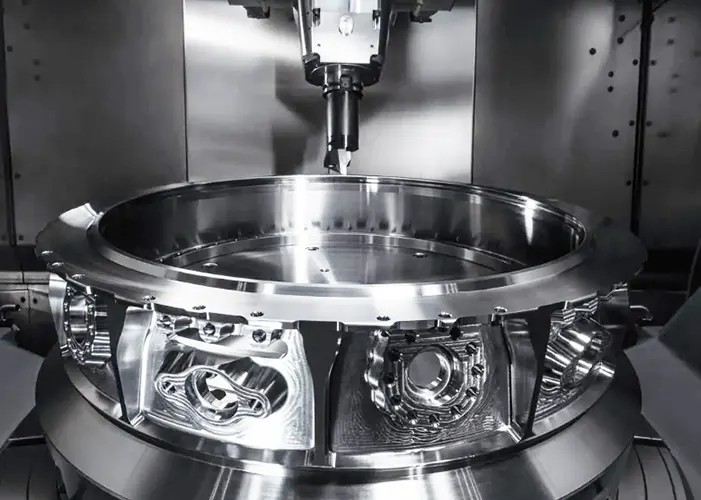
CNC (Computer Numerical Control) machines are automated manufacturing tools that are programmed to perform a variety of tasks, such as cutting, milling, drilling, and shaping various materials. These machines rely on precision and accuracy to produce high-quality components efficiently.
The Importance of Lubrication in CNC Machines
Lubrication is crucial in CNC machines to reduce friction between moving parts, prevent wear and tear, dissipate heat, and extend the machine’s lifespan.
Without proper lubrication, CNC machines can experience premature failure, decreased performance, and costly repairs. An automatic lubrication system plays a vital role in delivering the right amount of lubricant to the critical components of a CNC machine at the right time.
Components of an Automatic Lubrication System
An automatic lubrication system consists of several key components that work together to ensure proper lubrication of a CNC machine. These components include:
- Centralized lubrication pump
- Lubricant reservoir
- Tubing and fittings
- Injectors or metering valves
- Monitoring system
How Does an Automatic Lubrication System Work?
Now, let’s dive into how an automatic lubrication system works in a CNC machine:
1. The central lubrication pump stores and delivers the lubricant to the various lubrication points within the CNC machine. The pump is typically programmed to dispense the lubricant in precise amounts at specific intervals.
2. The lubricant reservoir holds a sufficient amount of lubricant to ensure continuous and uninterrupted lubrication. It is essential to regularly monitor and refill the reservoir to prevent any lubrication gaps.
3. Tubing and fittings connect the central lubrication pump to the injectors or metering valves that distribute the lubricant to the critical components of the CNC machine. These components must be properly installed and maintained to prevent leaks or blockages.
4. Injectors or metering valves control the flow of lubricant to the designated lubrication points. They ensure that the right amount of lubricant is delivered accurately and efficiently to prevent over-lubrication or under-lubrication of the machine parts.
5. The monitoring system oversees the lubrication process, alerting operators or maintenance personnel of any malfunctions or irregularities in the system. This real-time monitoring can help prevent costly downtime and repairs by addressing issues promptly.
Advantages of an Automatic Lubrication System
An automatic lubrication system offers several benefits for CNC machines, including:
- Extended machine lifespan
- Improved performance and efficiency
- Reduced maintenance costs
- Enhanced safety for operators
- Consistent and precise lubrication
Conclusion
In conclusion, an automatic lubrication system is a critical component in the optimal functioning and longevity of CNC machines. By delivering the right amount of lubricant to the essential components at the right time, this system ensures smooth operations, reduces wear and tear, and minimizes the risk of costly repairs.
For engineers and manufacturers in the manufacturing industry, investing in an automatic lubrication system for CNC machines is a wise decision to enhance productivity and profitability.