What is positional 5 axis machining?
TonZaMaking
Introduction
Positional 5-axis machining is a cutting-edge technology that has revolutionized the world of manufacturing. This innovative approach allows for greater precision, flexibility, and efficiency in the production of complex parts and components.
This article will delve into the intricacies of positional 5-axis machining, exploring its benefits, applications, and operational principles.
For engineers with a manufacturing background, understanding positional 5-axis machining is essential for staying abreast of the latest advancements in the industry.
What is Positional 5-Axis Machining?
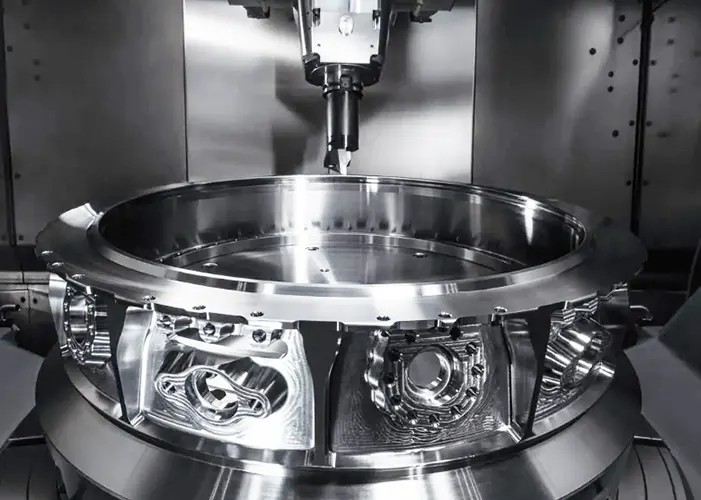
Positional 5-axis machining is a machining process that involves cutting and shaping materials using a cutting tool that can move along five different axes.
Traditional machining processes typically utilize 3-axis or 4-axis machines, which limit the range of motion and flexibility when creating intricate geometries.
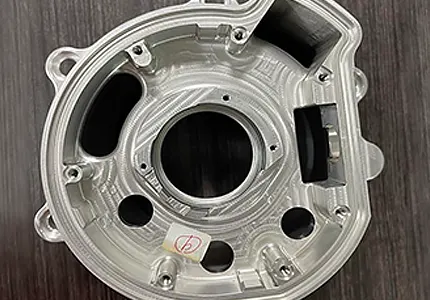
However, with positional 5-axis machining, manufacturers can achieve complex shapes and contours with unprecedented precision and efficiency.
By utilizing a 5-axis machine, engineers can manipulate the cutting tool in five directions: up and down (Y-axis), left and right (X-axis), back and forth (Z-axis), as well as rotation around two additional axes.
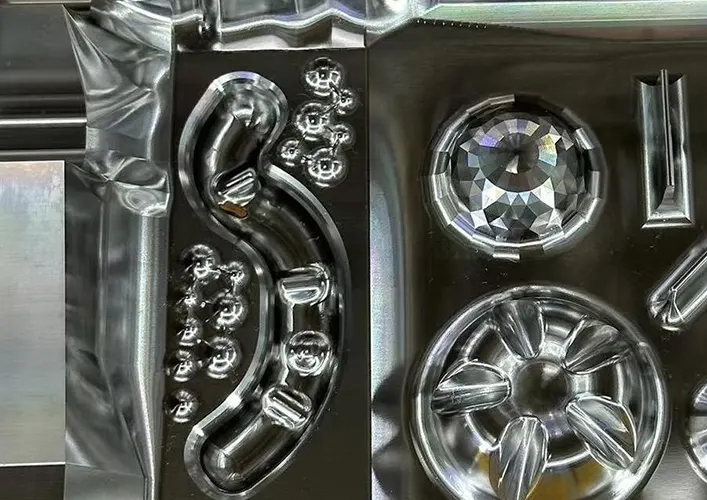
This multi-directional movement allows for the fabrication of intricate geometries that would be impossible to achieve with traditional machining methods.
Benefits of Positional 5-Axis Machining
There are numerous benefits to using positional 5-axis machining in the manufacturing process:
- Increased Precision: The ability to manipulate the cutting tool along five axes enables manufacturers to achieve higher levels of precision and accuracy in the production of complex parts.
- Reduced Set-Up Time: With positional 5-axis machining, parts can be machined from multiple angles without the need for repositioning, reducing set-up time and improving overall efficiency.
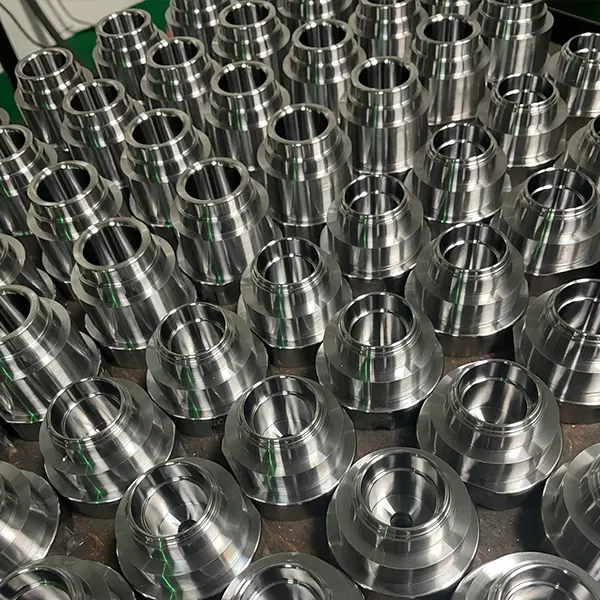
- Enhanced Surface Finish: The multi-directional movement of the cutting tool allows for smoother surface finishes and greater detail in the final product.
- Improved Tool Life: By distributing the cutting load across multiple axes, positional 5-axis machining can help extend the life of cutting tools and reduce tool wear.
- Greater Design Flexibility: Positional 5-axis machining enables engineers to create complex geometries and shapes that would be challenging or impossible to achieve with traditional machining methods.
Applications of Positional 5-Axis Machining
Positional 5-axis machining finds wide-ranging applications across various industries, including:
- Aerospace: The aerospace industry often requires the production of complex and lightweight components, making positional 5-axis machining ideal for fabricating parts such as turbine blades and aircraft structures.
- Automotive: In the automotive sector, positional 5-axis machining is used to produce intricate components like engine parts, molds, and prototypes with high precision and efficiency.
- Medical: Medical device manufacturers utilize positional 5-axis machining to create intricate and customized implants, instruments, and prosthetics with complex geometries.
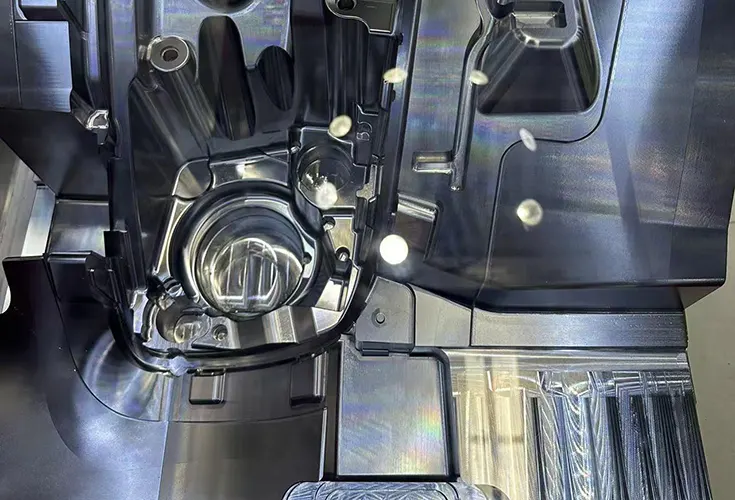
- Die and Mold Making: The die and mold making industry benefit from the high precision and surface finish quality of positional 5-axis machining for producing molds for injection molding and die-cast parts.
Operational Principles of Positional 5-Axis Machining
Positional 5-axis machining operates based on the following principles:
- Continuous 5-Axis Machining: In continuous 5-axis machining, the cutting tool maintains contact with the workpiece while moving along all five axes simultaneously. This approach allows for seamless cutting of complex geometries without interruptions.
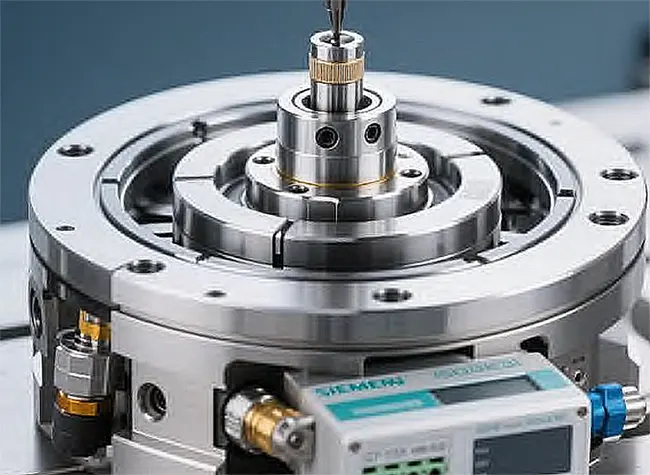
- Indexed 5-Axis Machining: Indexed 5-axis machining involves cutting the workpiece from multiple orientations by rotating it along specified angles. This method is suitable for parts that require machining from different angles but do not necessitate continuous cutting.
- Tool Compensation: To account for the varying angles and tool orientations in positional 5-axis machining, tool compensation is used to adjust the toolpath and ensure accurate cutting at all positions.
- Collision Avoidance: Due to the complex nature of positional 5-axis machining, collision avoidance systems are employed to prevent any interference between the cutting tool, workpiece, and machine components during operation.
Conclusion
Positional 5-axis machining represents a significant advancement in manufacturing technology, offering engineers the ability to produce complex parts with unparalleled precision and efficiency.
By leveraging the benefits of positional 5-axis machining, manufacturers can enhance their competitive edge, streamline production processes, and meet the demands of modern industries.
For engineers with a manufacturing background, mastering the principles of positional 5-axis machining is essential for driving innovation and achieving extraordinary results in the field of manufacturing.