How to set up a 5 axis cnc machine?
TonZaMaking
Setting up a 5 Axis CNC Machine
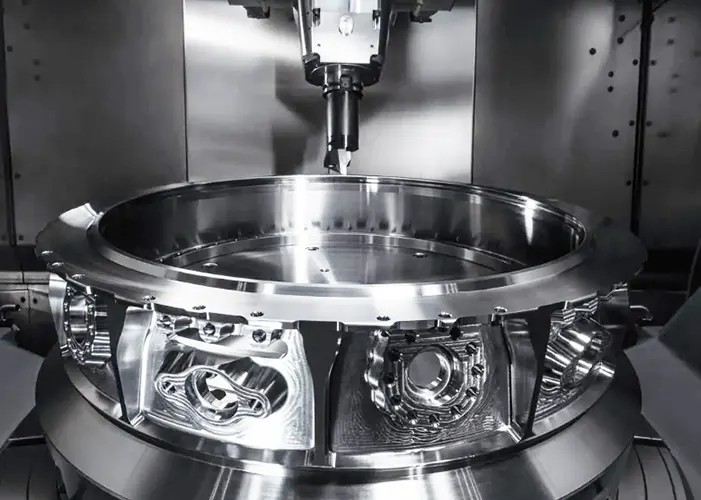
Setting up a 5 axis CNC machine requires precision, skill, and attention to detail. As an engineer with a manufacturing background, you understand the importance of getting this process right to ensure optimal performance and efficiency.
1. Initial Preparation
Before you can begin setting up your 5 axis CNC machine, you need to make sure you have all the necessary tools and equipment at hand.
This includes everything from measuring instruments to cutting tools, as well as any specific components required for your particular machine model.
Once you have gathered everything you need, you can start the process of setting up your machine.
2. Securing the Machine
The first step in setting up a 5 axis CNC machine is to secure it in place. This involves making sure the machine is properly anchored to the floor or workbench to prevent any movement during operation.
You should also check that all the machine’s components are securely fastened and properly aligned before proceeding.
3. Installing the Workholding System
Next, you will need to install the workholding system on your CNC machine. This system holds the workpiece in place during machining operations, ensuring accuracy and repeatability.
Make sure to choose the right workholding system for your specific application, whether it be a vice, chuck, or fixture.
4. Setting the Tool Length Offset
Once the workholding system is in place, you will need to set the tool length offset on your CNC machine. This involves measuring the length of the cutting tool and inputting this value into the machine’s control system.
Proper tool length offset calibration is essential for accurate machining and preventing tool damage.
5. Calibrating the Toolpath
After setting the tool length offset, you will need to calibrate the toolpath on your 5 axis CNC machine. This involves programming the machine to follow the specific paths required to create the desired part geometry.
Make sure to double-check your toolpaths for accuracy and efficiency before moving on to the next step.
6. Fine-Tuning the Machine Parameters
With the toolpath calibrated, you can now fine-tune the machine parameters to optimize performance. This includes setting the spindle speed, feed rate, and cutting depth based on the material being machined and the specific tool being used. Pay close attention to these parameters to achieve the best results during machining.
7. Checking for Alignment and Squareness
Before running any machining operations on your 5 axis CNC machine, it is crucial to check for alignment and squareness.
This ensures that the machine’s axes are properly aligned and perpendicular to one another, preventing errors in the final part geometry. Use precision measuring tools to verify the machine’s alignment before proceeding.
8. Running Test Cuts
Once you have completed the initial setup of your 5 axis CNC machine, it is wise to run a series of test cuts to evaluate its performance.
This allows you to identify any issues or errors that may need adjusting before starting production runs. Make sure to inspect the test cuts carefully and make any necessary tweaks to optimize machine performance.
9. Final Calibration
After running test cuts and making any necessary adjustments, you can perform a final calibration of your 5 axis CNC machine.
This involves ensuring that all machine parameters are correctly set and that the machine is ready for full-scale production. Take the time to double-check all settings and alignments to guarantee optimal performance.
Conclusion
Setting up a 5 axis CNC machine requires careful planning, attention to detail, and a thorough understanding of the machine’s capabilities.
By following the steps outlined in this article, you can ensure that your machine is properly set up for efficient and accurate machining operations.
Remember to regularly maintain and calibrate your CNC machine to achieve the best results and prolong its lifespan.