

What is the difference between 3 axis and 4 axis CNC machine?
TonZaMaking
Difference Between 3 Axis and 4 Axis CNC Machines
When it comes to CNC machines, precision and accuracy are key factors that determine the quality of the manufacturing process. One of the fundamental distinctions among CNC machines is the number of axes they operate on.
Introduction to 3 Axis CNC Machines
A 3 axis CNC machine is the most common type of CNC machine in the manufacturing industry.
This machine operates on three axes: X, Y, and Z. The X-axis represents the horizontal movement, the Y-axis represents the vertical movement, and the Z-axis represents the depth movement.
The cutting tool moves along these axes to create intricate and precise shapes in the workpiece. 3 axis CNC machines are suitable for simple and flat designs that do not require intricate detailing and complex geometries.
Features of 3 Axis CNC Machines
1. Three axes: X, Y, Z
2. Ideal for simple and flat designs
3. Limited flexibility in creating complex shapes
4. Commonly used in industries such as woodworking, metal fabrication, and prototyping
Introduction to 4 Axis CNC Machines
A 4 axis CNC machine expands on the capabilities of a 3 axis machine by incorporating an additional rotary axis. In addition to the X, Y, and Z axes, a 4 axis machine can rotate the workpiece along a fourth axis, typically referred to as the A-axis.
This rotational movement allows for more intricate and complex designs to be created with precision and accuracy. 4 axis CNC machines are often used in industries that require sculpting, engraving, and curvilinear machining.
Features of 4 Axis CNC Machines
1. Four axes: X, Y, Z, A
2. Ability to rotate the workpiece for intricate designs
3. Suitable for sculpting, engraving, and curvilinear machining
4. Increased flexibility in creating complex shapes
Comparison Between 3 Axis and 4 Axis CNC Machines
While both 3 axis and 4 axis CNC machines are valuable tools in the manufacturing industry, they serve different purposes based on the complexity of the design requirements. Here are some key differences between the two types of CNC machines:
| Feature | 3 Axis CNC Machine | 4 Axis CNC Machine |
|---|---|---|
| Number of Axes | Three axes: X, Y, Z | Four axes: X, Y, Z, A |
| Flexibility | Limited flexibility in creating complex shapes | Increased flexibility in creating complex shapes |
| Applications | Ideal for simple and flat designs | Suitable for sculpting, engraving, and curvilinear machining |
| Complexity | Suitable for basic geometric shapes | Capable of intricate and detailed designs |
Conclusion
In conclusion, the choice between a 3 axis and 4 axis CNC machine depends on the specific requirements of the manufacturing process.
While a 3 axis machine is suitable for simple and flat designs, a 4 axis machine offers increased flexibility and precision for intricate and complex shapes.
Understanding the differences between these two types of CNC machines is essential for engineers and manufacturers to optimize their production processes and achieve superior quality in their finished products.
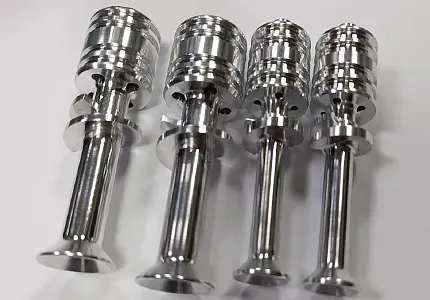
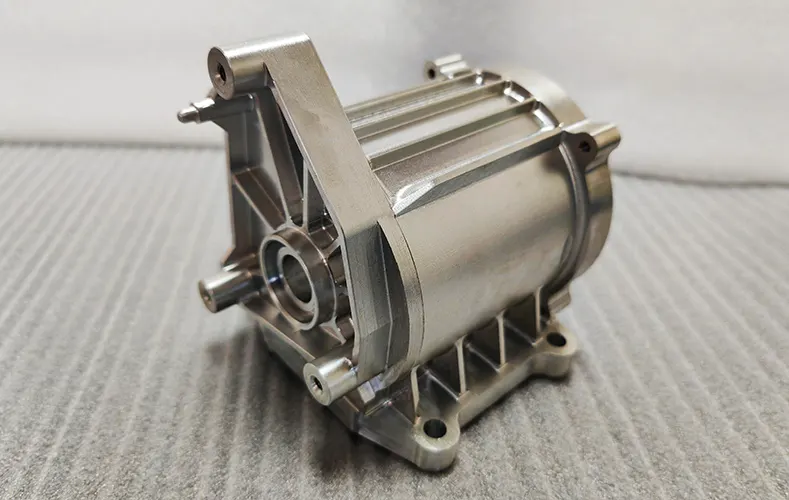

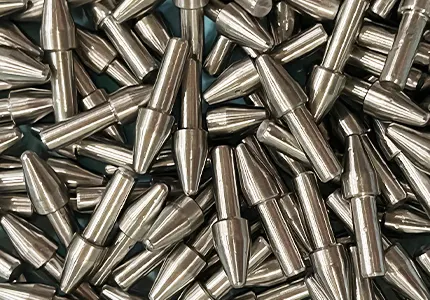
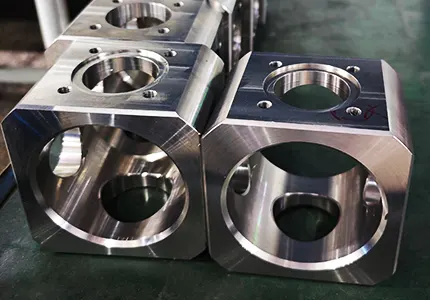
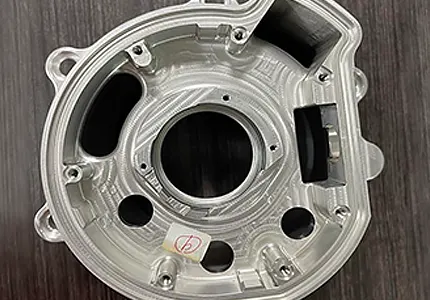
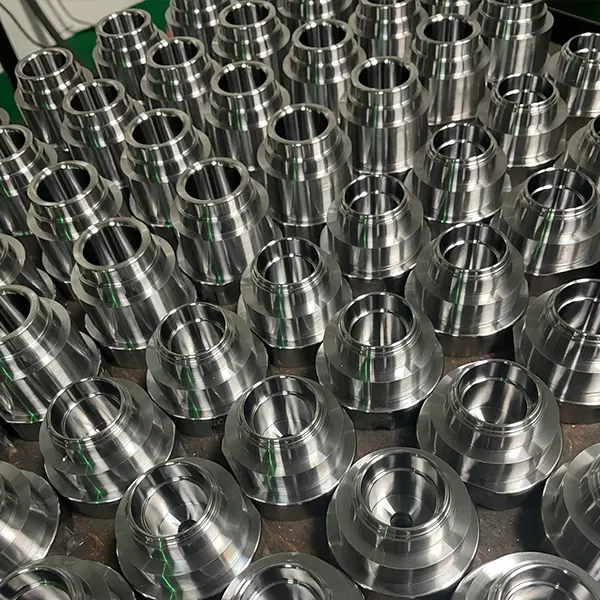
4 axis
what is 4 axis cnc machine?
4 axis
How to write 4 axis cam?
3 axis
What is 3 axis CNC machine?
3 axis