Process Optimization
Process optimization in manufacturing is the systematic approach of analyzing, refining, and improving production processes to maximize efficiency, reduce costs, enhance product quality, and minimize waste.
It involves evaluating every step of the manufacturing workflow—from raw material sourcing and machine setup to production, assembly, and delivery—to identify areas for improvement and implement changes that drive measurable results.
Why It Matters:
Manufacturers face increasing pressure to meet growing demand, maintain high product quality, reduce operational costs, and stay competitive in a rapidly evolving market. P
rocess optimization addresses these challenges by ensuring production processes are efficient, reliable, and adaptable.
Optimized processes lead to faster production cycles, lower defect rates, reduced resource consumption, and increased customer satisfaction.
Key Goals of Process Optimization:
Increase Productivity: Streamline operations to produce more output in less time without compromising quality.
Reduce Waste and Defects: Minimize material waste, energy consumption, and production errors.
Lower Operational Costs: Optimize labor, machine use, and resource management to save money.
Enhance Quality and Consistency: Ensure products meet strict specifications and standards every time.
Improve Flexibility and Responsiveness: Adapt production lines quickly for new products, changing volumes, or custom orders.
Boost Safety and Compliance: Create safer working conditions and comply with industry regulations.
Techniques and Methods Used:
Lean Manufacturing: Focuses on eliminating non-value-added steps and streamlining workflows.
Six Sigma: Reduces process variation and defects through statistical analysis and quality control.
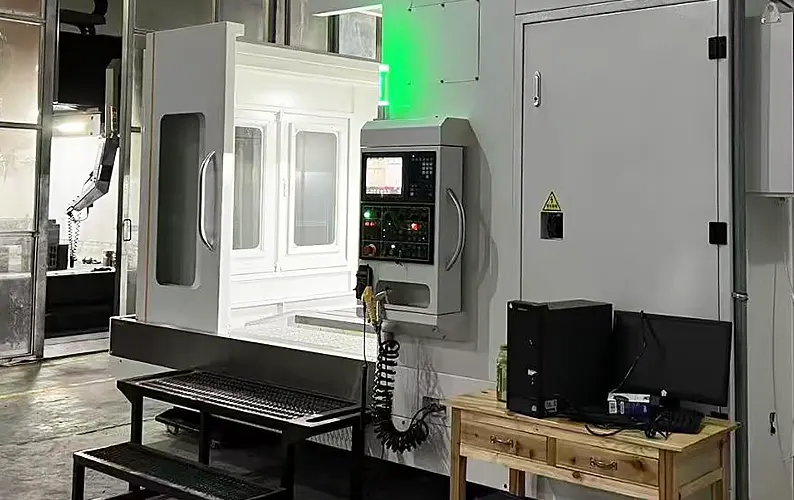
Automation and CNC Optimization: Uses advanced machinery, robotics, and CNC technology for precise, repeatable operations.
Process Simulation and Modeling: Tests potential changes in a virtual environment before implementing them on the production floor.
Data-Driven Analytics: Monitors production in real time to detect bottlenecks, inefficiencies, or equipment issues.
Continuous Improvement (Kaizen): Encourages incremental improvements over time for long-term gains.
Predictive Maintenance: Uses machine data to predict failures before they occur, reducing downtime.
Applications in Manufacturing:
CNC Machining: Optimizing cutting paths, feed rates, and tool changes to reduce cycle time and improve precision.
Assembly Lines: Rearranging workstations, balancing workloads, and reducing unnecessary movements.
Material Handling: Improving storage, transportation, and logistics within the factory to reduce delays.
Energy Management: Reducing electricity, water, and gas consumption through more efficient processes.
Benefits of Process Optimization:
Faster production and shorter lead times
Lower production costs and higher profit margins
Consistent high-quality products with fewer defects
Reduced environmental impact due to lower waste and energy usage
Greater adaptability to market demands or custom orders
Improved workforce efficiency and safety
Conclusion:
Process optimization is not a one-time effort but a continuous strategy that allows manufacturers to stay competitive in a dynamic market.
By leveraging modern technologies, data analysis, and proven methodologies like Lean and Six Sigma, manufacturers can enhance operational efficiency, deliver superior products, and achieve sustainable growth.