Which process is most important in manufacturing the milling machine's worktable?
TonZaMaking
The most critical process in manufacturing the milling machine’s worktable
When it comes to manufacturing milling machines, one of the most crucial components is the worktable. The worktable is where the material being machined is placed and secured, allowing for precise cuts and shaping to be made.
Materials selection
The first step in manufacturing a milling machine’s worktable is selecting the right materials.
The worktable needs to be made from a material that is strong, durable, and able to withstand the forces and vibrations that occur during the machining process.
Common materials used for worktables include cast iron, steel, and aluminum.
Each material has its own set of advantages and disadvantages, so the choice of material will largely depend on the specific requirements of the milling machine.
Design and engineering
Once the material has been selected, the next step is to design and engineer the worktable. This process involves creating detailed drawings and specifications that outline the dimensions, shape, and features of the worktable.
The design and engineering phase is crucial, as it ensures that the worktable will meet the requirements of the milling machine and function properly during use.
Manufacturing processes
After the design and engineering phase is complete, the actual manufacturing of the worktable can begin. There are several key processes involved in manufacturing the worktable, including casting, machining, and assembly.
Casting
One of the most common methods for manufacturing worktables is through casting. Casting involves pouring molten metal into a mold to create the desired shape.
Cast iron is often used for worktables due to its strength and durability. During the casting process, the molten metal is poured into the mold and allowed to cool and solidify.
Once the metal has hardened, the mold is removed, leaving behind the rough shape of the worktable.
Machining
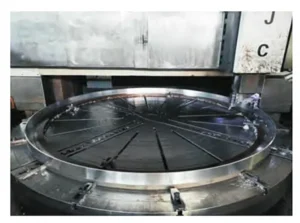
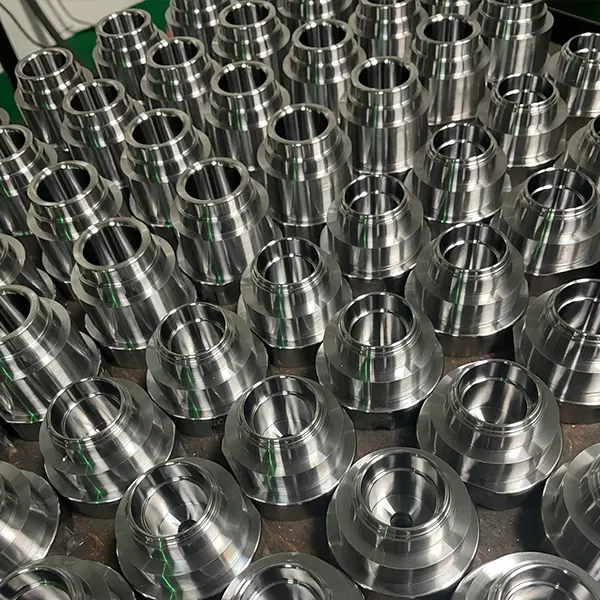
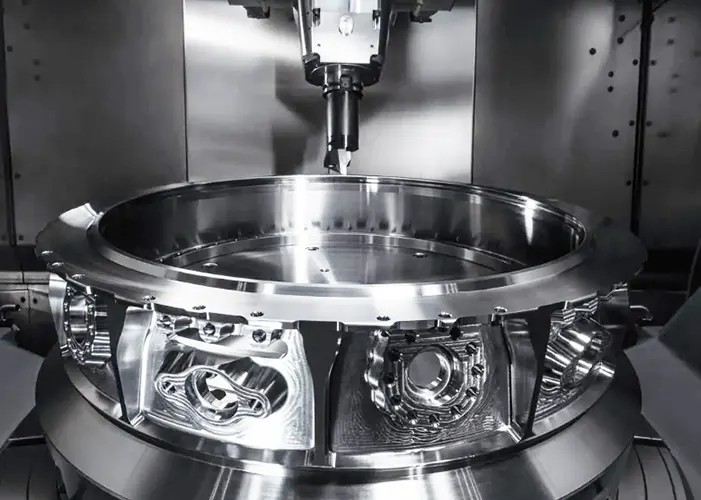
After the worktable has been cast, it must undergo machining to achieve the final dimensions and surface finish.
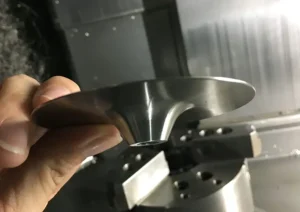
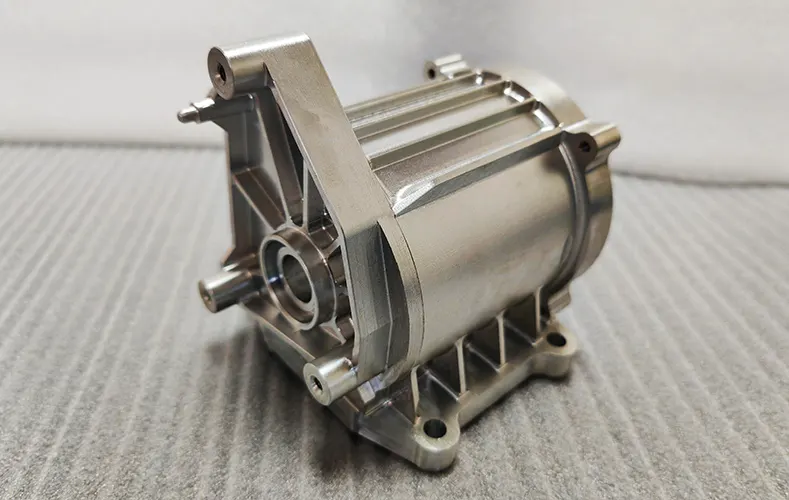
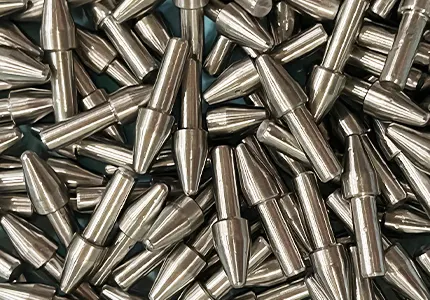
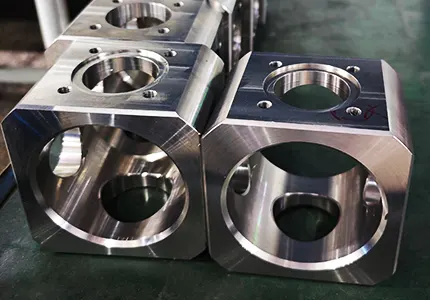
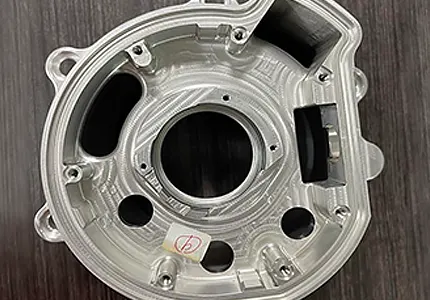
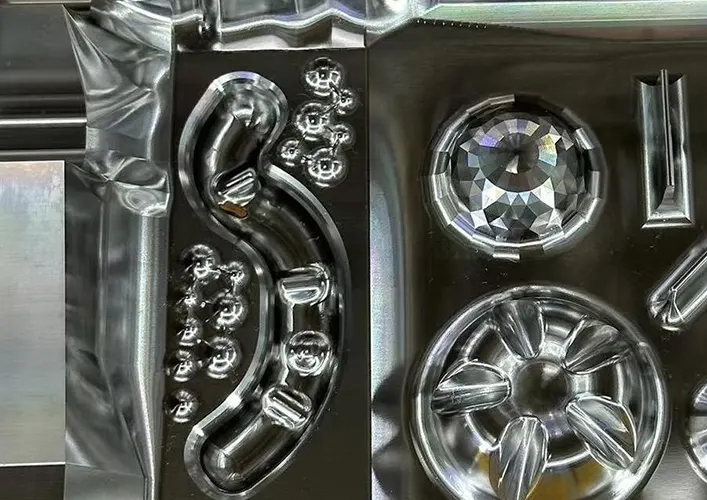
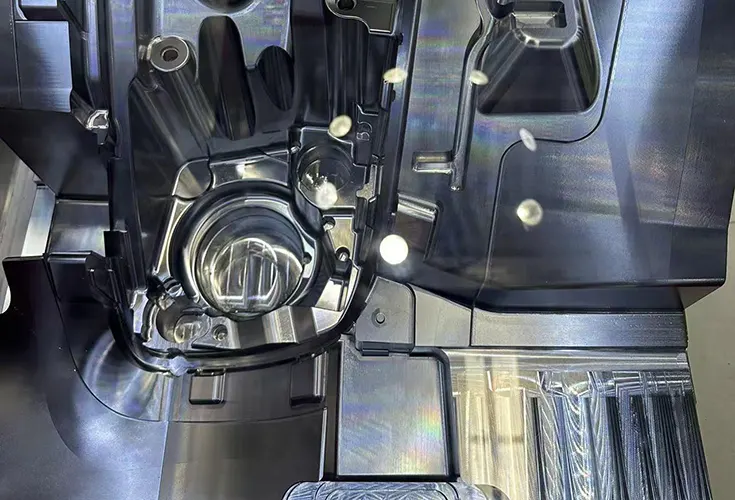
Machining involves using cutting tools such as lathes, mills, and grinders to remove excess material and create the precise shapes and features required for the worktable.
Machining is a critical process in manufacturing the worktable, as it ensures that the final product meets the exact specifications laid out in the design phase.
Assembly
Once the worktable has been cast and machined, the final step is assembly. During the assembly process, any additional components or features are added to the worktable to complete the manufacturing process.
This may include attaching fixtures for clamping the workpiece, installing T-slots for securing accessories, or adding leveling feet for stability.
Assembly is an important step in manufacturing the milling machine’s worktable, as it brings together all the individual components to create a functional and reliable work surface.
Conclusion
In conclusion, all the processes involved in manufacturing the milling machine’s worktable are essential for creating a high-quality and reliable product.
While each step plays a crucial role in the overall manufacturing process, the machining process is arguably the most important. Machining ensures that the worktable meets the precise dimensions and specifications required for proper functioning.
By selecting the right materials, designing and engineering the worktable correctly, and carefully casting, machining, and assembling the final product, manufacturers can create worktables that are durable, precise, and efficient for use in milling machines.