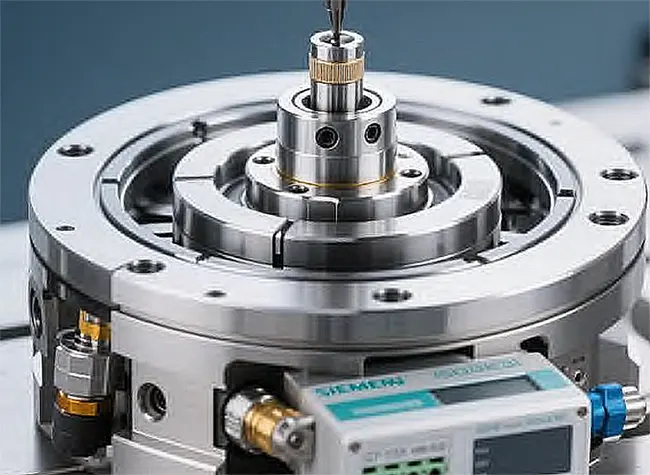

What is work coordinate system in CNC machining?
TonZaMaking
What is Work Coordinate System in CNC Machining
In the world of CNC machining, precision is key. The ability to accurately measure and cut materials to exact specifications is essential in creating high-quality products. One important aspect of CNC machining that helps achieve this precision is the work coordinate system.
Understanding the Work Coordinate System
The work coordinate system in CNC machining is essentially a set of reference points that help define the position of the cutting tool in relation to the workpiece.
These reference points are commonly denoted as X, Y, and Z coordinates, which correspond to the width, depth, and height of the workpiece.
By establishing a set of standard reference points, engineers can accurately program the CNC machine to cut material with precision and consistency.
Think of the work coordinate system as a map that guides the cutting tool through the material. Just as a GPS system uses coordinates to pinpoint locations on a map, the work coordinate system in CNC machining helps determine the exact position of the cutting tool in relation to the workpiece.
This system allows engineers to program the CNC machine to cut material in specific patterns and shapes, ensuring a high level of accuracy and repeatability.
How the Work Coordinate System is Used in CNC Machining
When setting up a CNC machine for a new job, engineers must establish the work coordinate system to ensure the cutting tool moves precisely as intended.
This involves defining the reference points for the X, Y, and Z axes, as well as determining the origin point from which all measurements are based.
By setting up the work coordinate system correctly, engineers can program the CNC machine to cut material with the desired dimensions and tolerances.
One common method of setting up the work coordinate system is through the use of a fixture or jig that securely holds the workpiece in place.
By aligning the fixture with the CNC machine’s reference points, engineers can ensure that the cutting tool moves along the correct path to achieve the desired outcome.
Additionally, engineers may use probing devices or sensors to accurately measure the position of the workpiece and adjust the work coordinate system accordingly.
The Importance of the Work Coordinate System in CNC Machining
The work coordinate system is crucial for achieving precision and consistency in CNC machining. By establishing a set of reference points and origin points, engineers can program the CNC machine to cut material with a high level of accuracy.
This ensures that each part produced is consistent in size, shape, and quality, leading to greater efficiency and reduced waste in the manufacturing process.
Furthermore, the work coordinate system allows engineers to easily program the CNC machine for complex cutting operations, such as contouring, drilling, and milling.
By accurately defining the position of the cutting tool in relation to the workpiece, engineers can create intricate designs and shapes with ease.
This level of precision is essential for industries that require tight tolerances and intricate details in their products.
Conclusion
In conclusion, the work coordinate system plays a crucial role in CNC machining. By establishing a set of reference points and origin points, engineers can program the CNC machine to cut material with precision and consistency.
This system allows for greater efficiency, reduced waste, and the ability to create complex designs and shapes with ease.
For engineers and manufacturers in the manufacturing industry, understanding and utilizing the work coordinate system is essential for producing high-quality products that meet exacting standards.