
What is toolpath in CNC machining?
TonZaMaking
Understanding Toolpath in CNC Machining
In the realm of manufacturing, CNC (Computer Numerical Control) machining plays a crucial role in automating the production of complex parts with precision.
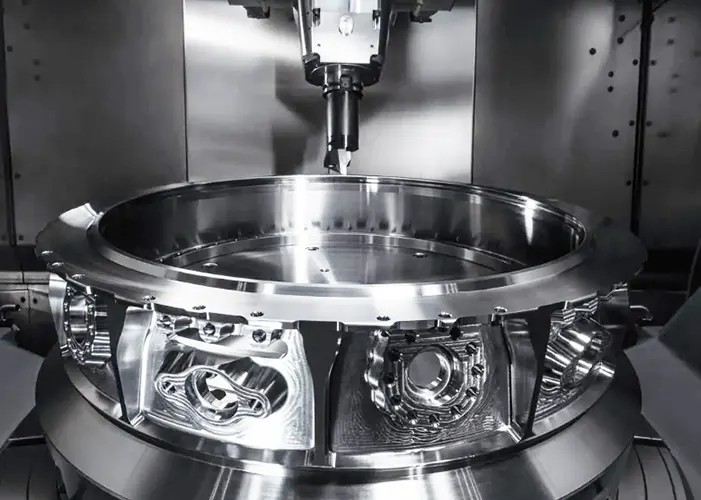
One of the key concepts in CNC machining is the toolpath, which determines the movement of the cutting tool along the workpiece to create the desired shape.
Understanding toolpath is essential for optimizing machining processes and achieving superior results.
What is Toolpath?
Toolpath refers to the path that the cutting tool follows as it removes material from the workpiece during CNC machining.
It is essentially a series of coordinates that guide the motion of the tool in three dimensions (X, Y, and Z) to create the desired part geometry.
The toolpath is generated by CAM (Computer-Aided Manufacturing) software based on the design of the part and the machining parameters specified by the programmer.
Types of Toolpaths
There are several types of toolpaths that can be used in CNC machining, each serving a specific purpose and offering unique benefits. Some common types of toolpaths include:
Contour Toolpath
The contour toolpath follows the outline of the part geometry, cutting along the edges to create the desired shape. This type of toolpath is commonly used for profile cutting and finishing operations.
Pocket Toolpath
The pocket toolpath removes material from within a closed boundary, such as a pocket or slot, to create a cavity. It is often used for roughing and finishing operations to efficiently remove material from large areas.
Drilling Toolpath
The drilling toolpath is used to create holes in the workpiece by plunging the cutting tool into the material at specified locations. This type of toolpath is essential for generating accurate holes with precise dimensions.
Adaptive Toolpath
The adaptive toolpath is a dynamic cutting strategy that adjusts the feed rate and cutting depth based on the material conditions and tool engagement. This helps to maximize efficiency and tool life while maintaining consistent cutting forces.
Parallel Toolpath
The parallel toolpath follows a series of parallel passes across the workpiece, removing material layer by layer. This type of toolpath is often used for roughing operations to quickly remove excess material before finishing passes.
Benefits of Optimizing Toolpath
Optimizing toolpath in CNC machining offers a wide range of benefits, including:
Improved Efficiency
By using the most efficient toolpath strategies, manufacturers can minimize machining time and maximize productivity. Optimal toolpaths help to reduce cycle times and improve overall efficiency in the manufacturing process.
Enhanced Surface Finish
Choosing the right toolpath can result in a superior surface finish on the machined part. By minimizing tool marks and optimizing cutting parameters, manufacturers can achieve high-quality surface finishes that meet stringent requirements.
Extended Tool Life
Optimizing toolpath can help extend the life of cutting tools by reducing wear and tear. By using cutting strategies that minimize tool engagement and heat generation, manufacturers can increase the longevity of their tools and reduce tooling costs.
Reduced Material Waste
Efficient toolpaths help minimize material waste by optimizing cutting patterns and maximizing the utilization of the workpiece. By reducing scrap and optimizing nesting layouts, manufacturers can save on material costs and improve sustainability.
Conclusion
Toolpath is a critical aspect of CNC machining that influences the quality, efficiency, and cost-effectiveness of the manufacturing process.
By understanding the different types of toolpaths and optimizing their use, manufacturers can achieve superior results and stay competitive in the industry.
Investing in advanced CAM software and continuous training for programmers and operators can help unlock the full potential of toolpath optimization in CNC machining.