What Is Thread Milling and Why Is It Better Than Tapping in Hard Materials?
TonZaMaking
What Is Thread Milling and Why Is It Better Than Tapping in Hard Materials?
In the world of manufacturing, precision is key. When it comes to creating threaded holes in hard materials, the method you choose can greatly impact the quality and durability of the final product. One method that has gained popularity in recent years is thread milling.
Introduction to Thread Milling
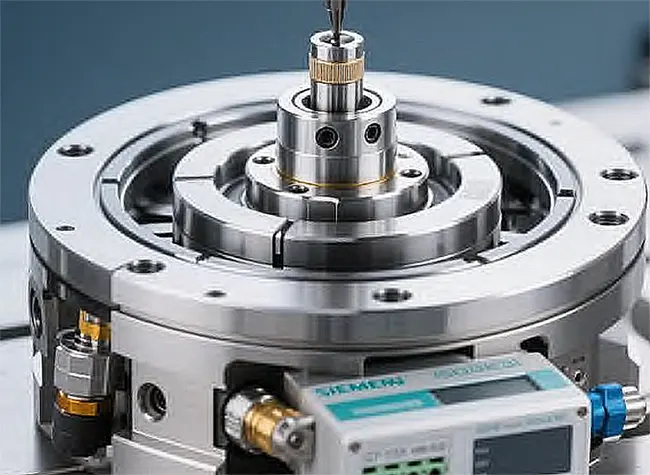
Thread milling is a machining process that involves cutting threads using a specialized tool called a thread mill.
Unlike traditional tapping methods, which use a tap to cut threads into a hole, thread milling uses a cutting tool with multiple cutting edges to create threads.
This allows for greater precision and control over the thread size, pitch, and depth.
Thread milling can be performed on a variety of materials, including aluminum, steel, stainless steel, titanium, and other hard materials. The process can be done on both manual and CNC machines, making it a versatile choice for manufacturers of all sizes.
Advantages of Thread Milling
There are several key advantages to using thread milling over traditional tapping methods, especially when working with hard materials. Some of the main benefits include:
| 1. Improved Thread Quality | Thread milling produces threads with higher quality and accuracy compared to tapping. This results in a tighter fit between the threaded components and reduces the risk of stripping or galling. |
| 2. Greater Flexibility | Thread milling allows for greater flexibility in thread size, pitch, and depth. This flexibility makes it easier to create custom threads for specialized applications. |
| 3. Longer Tool Life | Thread mills have multiple cutting edges, which distributes the cutting load more evenly. This leads to longer tool life and reduced tool wear, especially when working with hard materials. |
| 4. Improved Chip Control | Thread milling produces smaller, more manageable chips compared to tapping. This results in better chip control and reduced downtime for chip removal. |
| 5. Reduced Machining Time | Thread milling is a faster process compared to tapping, especially for larger thread sizes or complex thread profiles. This can lead to increased productivity and lower production costs. |
Applications of Thread Milling
Thread milling is commonly used in a wide range of industries, including aerospace, automotive, medical, and defense. Some common applications include:
- Creating precision threads in hardened steel components
- Machining custom thread profiles for specialized fasteners
- Producing accurate threads in high-temperature alloys
- Thread milling in blind holes or difficult-to-reach areas
Overall, thread milling offers numerous advantages over traditional tapping methods, especially when working with hard materials.
By utilizing the latest cutting tools and techniques, manufacturers can achieve greater precision, efficiency, and quality in their threaded hole production.
Conclusion
Thread milling is a versatile and efficient machining process that offers numerous advantages over traditional tapping methods, especially in hard materials.
By utilizing the latest cutting tools and techniques, manufacturers can achieve greater precision, efficiency, and quality in their threaded hole production.
Whether you are working on aerospace components, automotive parts, medical devices, or defense applications, thread milling is a reliable and cost-effective solution for creating high-quality threads that meet your exact specifications.