
What is the role of the axis system in a CNC machine?
TonZaMaking
The Role of the Axis System in a CNC Machine
Computer Numerical Control (CNC) machines have revolutionized the manufacturing industry by offering precise and efficient automation in various processes.
One of the key components of a CNC machine is the axis system, which plays a crucial role in determining the accuracy and quality of the final product.
Understanding the Axis System
Before delving into the role of the axis system in a CNC machine, it is essential to understand what exactly the term “axis system” refers to.
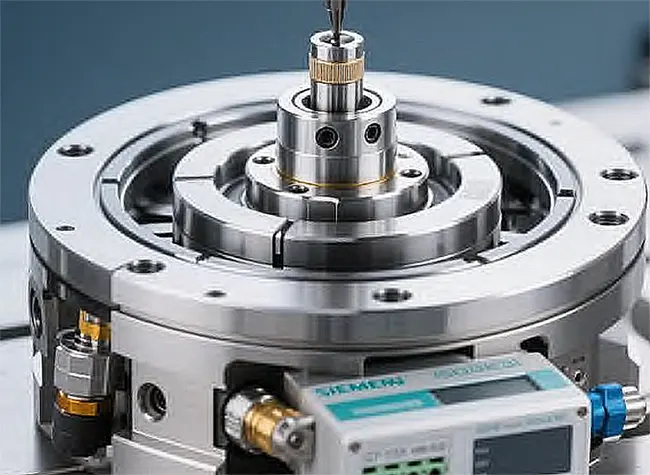
In CNC machining, the axis system consists of the different axes along which the cutting tool can move in order to shape the workpiece.
The most common types of axes in a CNC machine include the X, Y, and Z axes, which correspond to horizontal, vertical, and depth movements, respectively.
These axes work together to achieve precise and complex geometric shapes in the final product.
Precision and Accuracy
One of the primary functions of the axis system in a CNC machine is to ensure precision and accuracy in the machining process.
By controlling the movements of the cutting tool along the different axes, the axis system enables the machine to follow the exact path and dimensions specified in the CAD (Computer-Aided Design) model.
This level of precision is crucial in manufacturing industries where tight tolerances are required to meet the desired specifications of the final product.
Moreover, the axis system also plays a vital role in achieving high accuracy in complex geometries and intricate designs.
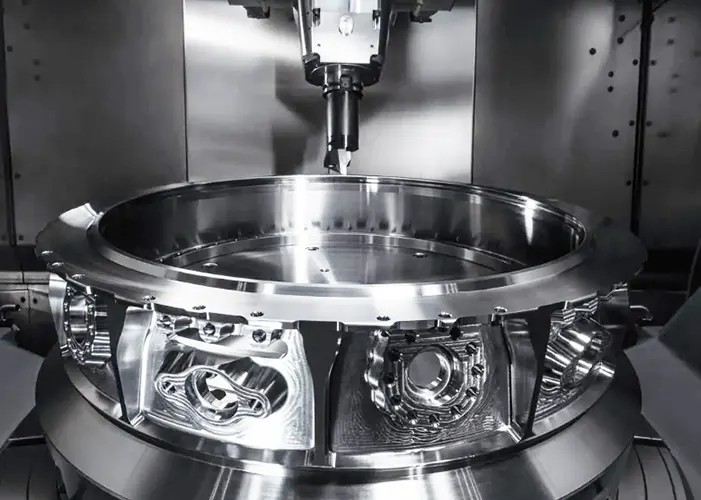
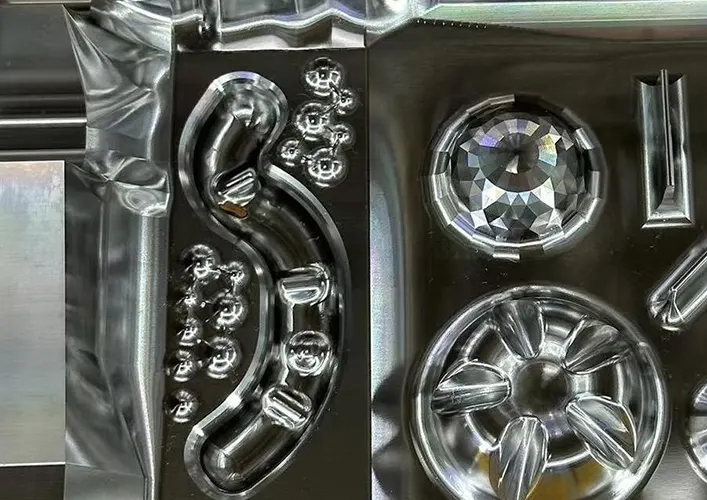
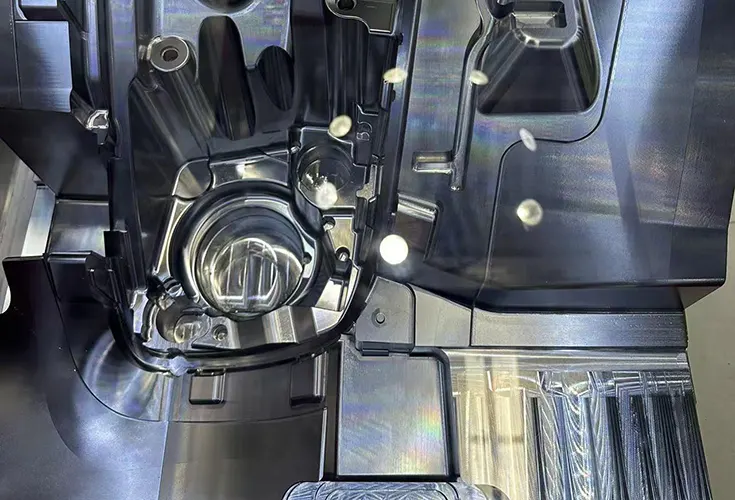
By coordinating the movements of multiple axes simultaneously, a CNC machine can produce intricate shapes and contours with minimal error.
This capability has significantly expanded the possibilities in terms of design and customization in various industries, such as aerospace, automotive, and medical device manufacturing.
Speed and Efficiency
In addition to precision and accuracy, the axis system in a CNC machine also contributes to the speed and efficiency of the manufacturing process.
By enabling the cutting tool to move along multiple axes simultaneously, the axis system allows for faster machining speeds and reduced cycle times.
This is especially beneficial in high-volume production environments where efficiency and productivity are key factors in staying competitive.
Furthermore, the axis system facilitates the use of advanced cutting strategies, such as 3D contouring and multi-axis machining, which help optimize material removal and tool performance.
By leveraging the capabilities of the axis system, manufacturers can achieve higher cutting speeds, improved surface finishes, and reduced tool wear, ultimately leading to increased productivity and cost savings.
Flexibility and Versatility
Another important aspect of the axis system in a CNC machine is its flexibility and versatility in machining a wide range of materials and geometries.
The ability to move the cutting tool along multiple axes allows for complex machining operations, such as drilling, milling, turning, and threading, to be performed with precision and ease.
This flexibility enables manufacturers to produce a diverse range of parts and components with varying shapes, sizes, and features.
Moreover, the axis system can be easily programmed and reconfigured to accommodate different machining tasks and production requirements.
Whether it is a simple 2D cut or a complex 5-axis contouring operation, the axis system can adapt to the specific needs of the job and deliver consistent and reliable results.
This versatility is essential for manufacturers operating in diverse industries with unique machining challenges and constraints.
Conclusion
In conclusion, the axis system plays a critical role in the overall performance and capabilities of a CNC machine.
By enabling precise movements along multiple axes, the axis system ensures accuracy, speed, efficiency, and versatility in the machining process.
This level of control and precision has transformed the manufacturing industry, allowing for the production of complex and customized parts with exceptional quality and consistency.
As technology continues to advance, the axis system will continue to evolve, enabling manufacturers to push the boundaries of what is possible in CNC machining.