What is the purpose of a lubrication system in a CNC machine?
TonZaMaking
The Purpose of a Lubrication System in a CNC Machine
For engineers in the manufacturing industry, the intricacies of CNC machines play a crucial role in the efficiency and precision of production processes.
One essential component that often goes unnoticed but is vital to the smooth operation of a CNC machine is the lubrication system.
Understanding the Basics of CNC Machines
Before delving into the specifics of lubrication systems, it is necessary to establish a foundational understanding of CNC machines.
CNC, which stands for Computer Numerical Control, refers to machines that are controlled by a computer program to perform various tasks with a high level of accuracy and precision.
These machines are widely used in industries such as automotive, aerospace, and electronics manufacturing.
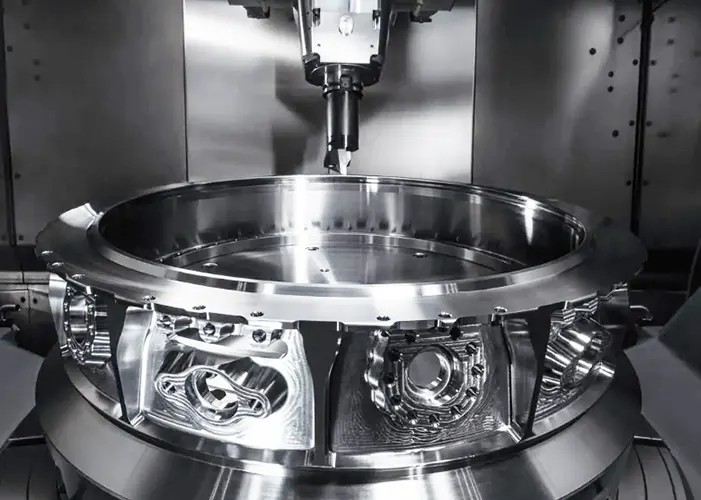
CNC machines operate by following a set of programmed instructions to move cutting tools or workpieces in multiple axes, allowing for intricate designs and complex shapes to be produced with consistency.
The process involves high-speed movements and tight tolerances, requiring every component of the machine to function seamlessly to achieve the desired results.
Importance of Lubrication Systems in CNC Machines
One critical aspect of maintaining the functionality and longevity of a CNC machine is ensuring proper lubrication of its moving parts.
A lubrication system is responsible for reducing friction between components, minimizing wear and tear, dissipating heat, and preventing corrosion.
Without adequate lubrication, the moving parts of a CNC machine can experience increased friction and heat generation, leading to premature wear and potential breakdowns.
The role of a lubrication system in a CNC machine is multifaceted, with several key objectives that contribute to the overall performance of the machine:
1. Friction Reduction
Friction is a natural byproduct of the moving parts within a CNC machine coming into contact with one another. Without proper lubrication, friction can cause excessive heat buildup and lead to increased wear on equipment components.
A lubrication system ensures that a thin film of oil or grease is applied to critical contact points, reducing friction and allowing components to move smoothly and efficiently.
2. Wear Prevention
Over time, the repeated movement of components in a CNC machine can lead to wear and deterioration of surfaces. Lubrication helps to create a protective barrier between moving parts, minimizing direct contact and reducing the risk of wear.
By lubricating key areas of the machine, engineers can prolong the lifespan of critical components and prevent the need for costly repairs or replacements.
3. Heat Dissipation
As CNC machines operate at high speeds and with tight tolerances, heat generation is a common occurrence.
Without proper lubrication, the heat produced during cutting or machining processes can cause components to overheat, leading to thermal expansion and potential damage.
A well-maintained lubrication system helps to dissipate heat from critical components, ensuring that the machine operates within safe temperature limits.
4. Corrosion Prevention
In addition to reducing friction and wear, lubrication also serves as a protective measure against corrosion.
CNC machines are often exposed to moisture, dust, and other contaminants that can contribute to the degradation of metal surfaces.
By applying a thin layer of lubricant to exposed components, engineers can prevent rust and corrosion, extending the lifespan of the machine and maintaining its performance over time.
Types of Lubrication Systems
There are several types of lubrication systems that can be used in CNC machines, each with its own advantages and considerations.
The choice of lubrication system will depend on factors such as the type of machine, operating conditions, and maintenance requirements. Some common types of lubrication systems include:
1. Manual Lubrication
In a manual lubrication system, operators are responsible for applying lubricant directly to specific points on the machine as part of a routine maintenance schedule.
While manual lubrication is cost-effective and straightforward, it requires consistent monitoring and attention to ensure that all critical components are properly lubricated.
2. Automatic Lubrication
Automatic lubrication systems use pumps or dispensers to distribute lubricant to multiple points on the machine automatically.
These systems are set to deliver precise amounts of lubricant at regular intervals, reducing the risk of under or over-lubrication.
Automatic lubrication systems can improve machine reliability and consistency while minimizing the need for manual intervention.
3. Mist Lubrication
Mist lubrication systems use a fine spray or mist of lubricant to coat moving parts and surfaces within a CNC machine.
This method is particularly effective in high-speed applications where traditional lubrication methods may not be sufficient.
Mist lubrication systems can help to reduce heat generated during machining processes and improve overall cutting performance.
Conclusion
In conclusion, the purpose of a lubrication system in a CNC machine is to reduce friction, prevent wear, dissipate heat, and protect against corrosion.
A well-maintained lubrication system is essential for ensuring the smooth operation and longevity of a CNC machine, allowing for consistent and precise performance in various manufacturing processes.
By understanding the importance of lubrication systems and selecting the appropriate type for specific applications, engineers can optimize the performance of their CNC machines and minimize the risk of downtime or costly repairs.