What is helical interpolation in CNC machining?
TonZaMaking
Introduction
Helical interpolation is a key process in CNC machining that involves creating curved or spiral toolpaths to produce complex geometries with precision.
This technique allows manufacturers to optimize their production processes and achieve high levels of accuracy in their final products.
Understanding Helical Interpolation
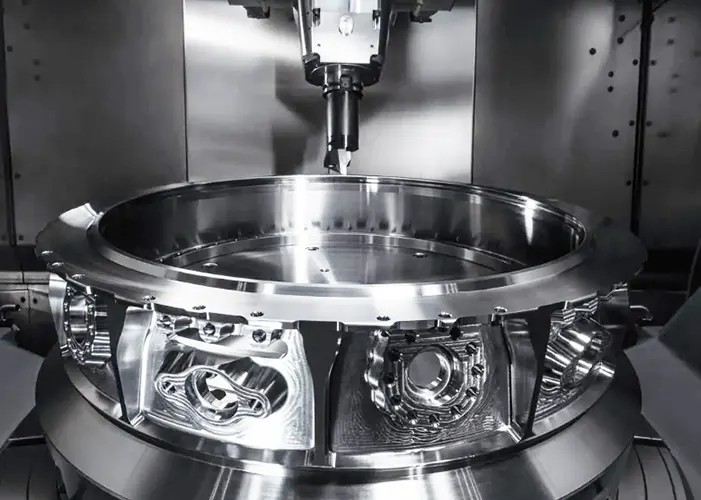
Helical interpolation is a machining technique that involves moving the cutting tool along a helix or spiral path to create complex shapes and contours.
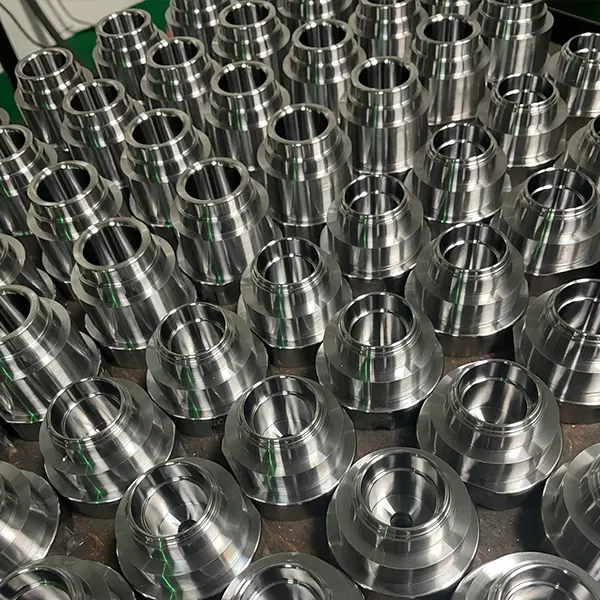
This process is commonly used in the production of parts with curved surfaces, such as turbine blades, impellers, and gears.
By using helical interpolation, manufacturers can achieve a superior surface finish and tight tolerances compared to traditional machining methods.
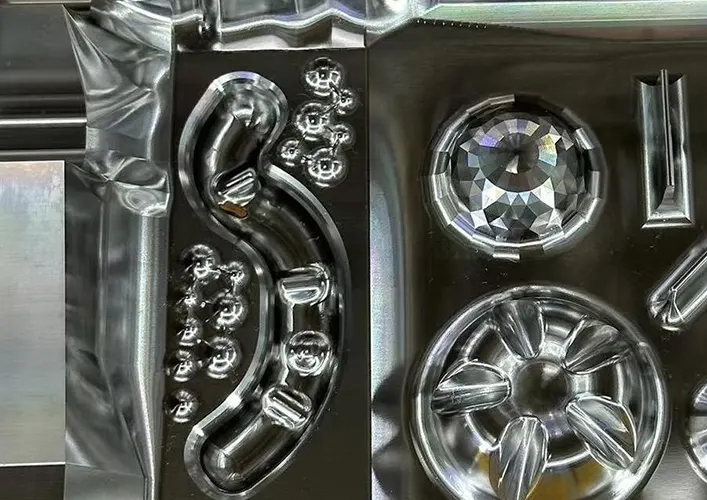
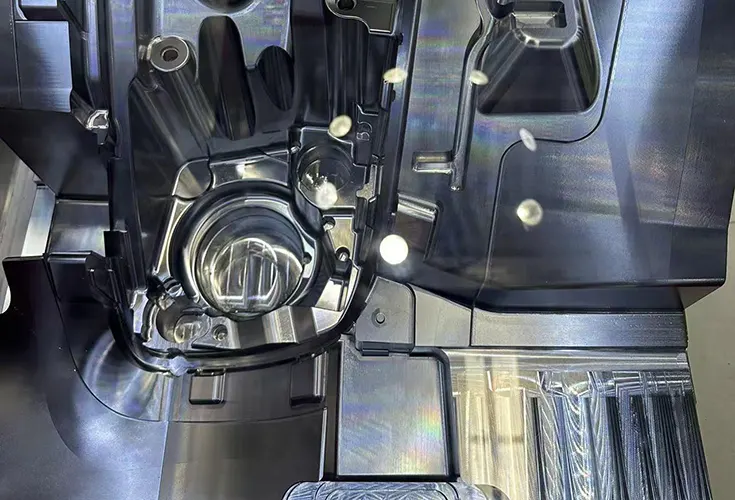
This technique is particularly useful for producing parts with intricate geometries that cannot be easily achieved using conventional machining processes.
Benefits of Helical Interpolation
There are several benefits to using helical interpolation in CNC machining:
- Higher precision: Helical interpolation allows for precise control over the cutting tool’s movement, resulting in accurate and consistent part dimensions.
- Improved surface finish: The spiral toolpath created through helical interpolation produces smoother surface finishes, reducing the need for secondary finishing operations.
- Efficient material removal: Helical interpolation can optimize the cutting process, reducing cycle times and improving overall productivity.
How Helical Interpolation Works
Helical interpolation is achieved by simultaneously moving the cutting tool along the X, Y, and Z axes in a spiral or helix pattern.
This movement creates a continuous toolpath that follows the desired contour or shape of the part being machined.
The CNC machine’s control software calculates the toolpath based on the specified parameters, such as the pitch, diameter, and direction of the helix.
The cutting tool then follows this path, removing material in a controlled manner to create the final part geometry.
Applications of Helical Interpolation
Helical interpolation is commonly used in a variety of industries for the production of complex parts and components. Some common applications include:
- Aerospace: Helical interpolation is used to manufacture aircraft components, such as engine parts and structural elements, with high precision and accuracy.
- Automotive: The automotive industry utilizes helical interpolation to produce gears, transmission components, and other critical parts that require intricate geometries.
- Medical: In the medical field, helical interpolation is used to fabricate implants, surgical instruments, and medical devices with complex shapes and contours.
Challenges of Helical Interpolation
While helical interpolation offers numerous advantages, there are also some challenges associated with this machining technique:
- Tool wear: The continuous movement of the cutting tool along a helical path can lead to increased wear and tear, requiring frequent tool changes and maintenance.
- Programming complexity: Generating the toolpath for helical interpolation can be complex and time-consuming, requiring skilled operators and advanced CAM software.
- Machining vibrations: The spiral motion of the cutting tool can create vibrations that affect the cutting process and result in poor surface finishes or dimensional accuracy.
Conclusion
In conclusion, helical interpolation is a valuable technique in CNC machining that offers numerous benefits for producing complex parts with precision and efficiency.
While there are challenges associated with this process, the advantages of helical interpolation outweigh the drawbacks, making it an essential tool for manufacturers in various industries.