What is hard limits in CNC machining?
TonZaMaking
Understanding Hard Limits in CNC Machining
When it comes to precision machining, CNC (Computer Numerical Control) machining is at the forefront of the industry. It provides unmatched accuracy and efficiency in manufacturing a wide range of products.
As engineers with a manufacturing background, it is crucial to understand the concept of hard limits in CNC machining to ensure the success of your projects.
What are Hard Limits in CNC Machining?
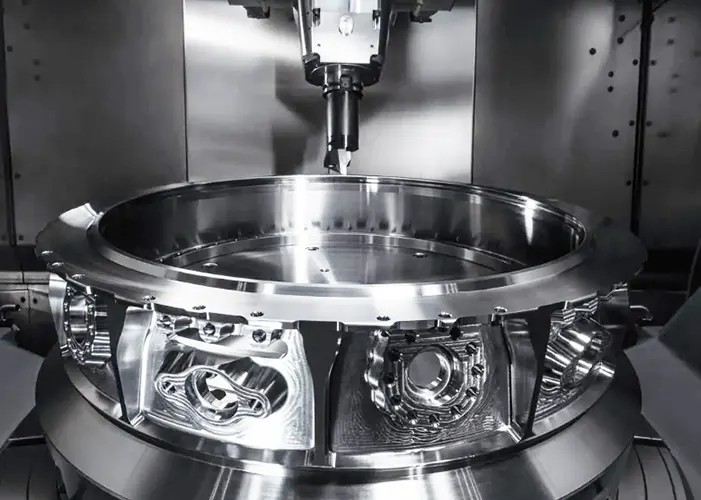
Hard limits in CNC machining refer to the physical constraints of a machine’s movement in the X, Y, and Z axes. These limits are set by the machine manufacturer to prevent collisions and potential damage to the equipment.
Hard limits act as a safety measure to protect both the machine and the workpiece being machined.
In a CNC machine, the hard limits are defined by the maximum and minimum values for each axis. When the machine reaches these limits, it automatically stops to prevent any further movement.
This feature is crucial in ensuring the accuracy and precision of the machined parts.
Benefits of Hard Limits in CNC Machining
There are several benefits to having hard limits in CNC machining:
- Prevention of collisions: Hard limits prevent the machine from moving beyond its designed range, reducing the risk of collisions with the workpiece or other machine components.
- Protection of equipment: By setting hard limits, CNC machine manufacturers ensure the longevity and durability of the equipment by avoiding unnecessary strain on the components.
- Enhanced precision: With hard limits in place, CNC machines can operate within their optimal range, resulting in higher precision and accuracy in the machined parts.
Challenges of Hard Limits in CNC Machining
While hard limits are essential for the safe operation of CNC machines, they can also pose certain challenges:
- Limitations on part size: The physical constraints of hard limits may restrict the size of the parts that can be machined on a CNC machine. This can be a limiting factor for certain projects.
- Programming complexity: Setting up hard limits in the CNC machine requires careful programming to define the maximum and minimum values for each axis. This process can be time-consuming and may require specialized knowledge.
Best Practices for Working with Hard Limits
To maximize the benefits of hard limits in CNC machining, it is essential to follow these best practices:
- Regular maintenance: Ensure that the hard limits are properly calibrated and maintained to prevent any inaccuracies or malfunctions.
- Test runs: Before starting a machining project, conduct test runs to verify that the hard limits are properly set and functioning correctly.
- Collaboration with machine manufacturers: Work closely with CNC machine manufacturers to understand the specific hard limits of the equipment and optimize the machining process.
Conclusion
Hard limits play a crucial role in ensuring the safety and efficiency of CNC machining operations.
By understanding the concept of hard limits and following best practices, engineers with a manufacturing background can optimize the performance of CNC machines and achieve superior results in their projects.