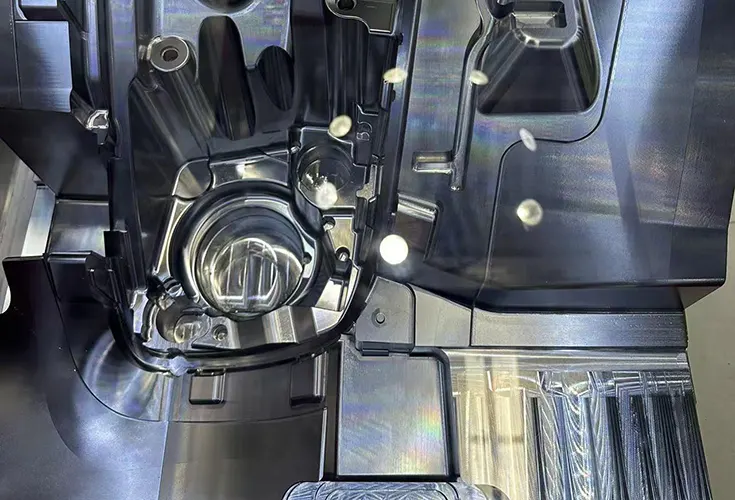

What is face mill in CNC machining?
TonZaMaking
What is Face Mill in CNC Machining
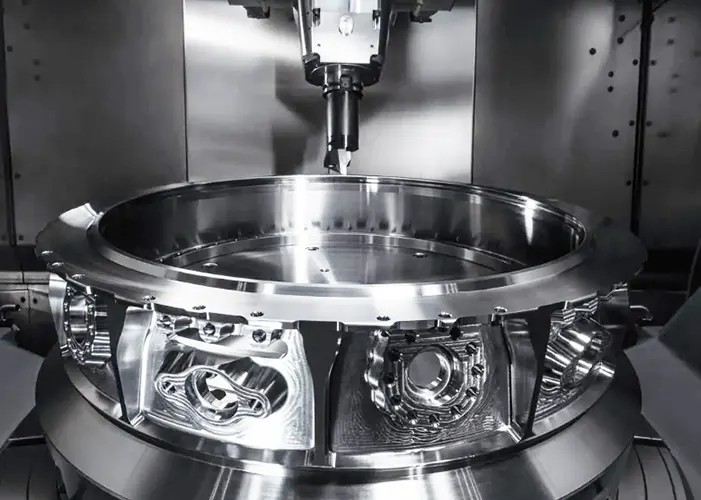
In the world of CNC machining, face mills are essential tools that play a crucial role in the manufacturing process.
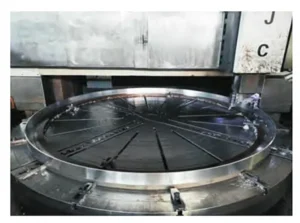
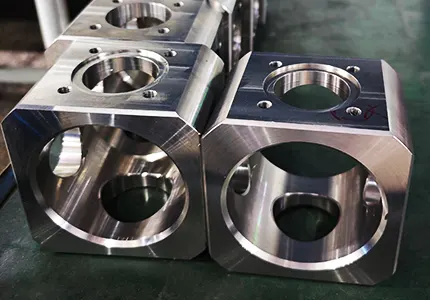
Face mills are commonly used to cut flat surfaces on a workpiece, and they come in a variety of sizes and configurations to meet different machining needs.
Types of Face Mills
There are several different types of face mills, each designed for specific applications. Some of the most common types of face mills include:
| Face Mill Type | Description |
|---|---|
| Shell End Mills | Shell end mills are versatile tools that can be used for a variety of face milling operations. They typically have multiple inserts for improved cutting performance. |
| Indexable Insert Face Mills | Indexable insert face mills feature replaceable inserts that can be rotated or replaced when worn out. This type of face mill offers increased versatility and cost savings. |
| High Feed Mills | High feed mills are designed for high-speed machining applications, offering increased material removal rates and productivity. |
Benefits of Using Face Mills
There are several benefits to using face mills in CNC machining, including:
- Improved surface finish: Face mills are capable of producing smooth and flat surfaces on workpieces, resulting in high-quality finished parts.
- High material removal rates: Face mills are efficient tools that can remove material quickly and efficiently, leading to faster machining times.
- Cost savings: Indexable insert face mills can be more cost-effective in the long run, as only the inserts need to be replaced when worn out, rather than the entire tool.
Face Milling Techniques
When using face mills in CNC machining, there are several techniques that can be employed to achieve the desired results. Some common face milling techniques include:
- Climb milling: In climb milling, the cutter rotates in the same direction as the motion of the workpiece, resulting in a smoother surface finish and reduced vibration.
- Conventional milling: In conventional milling, the cutter rotates against the direction of the workpiece motion. While this technique is less prone to chatter, it may result in lower surface finish quality.
- High-speed machining: High-speed machining techniques can be used with face mills to achieve increased material removal rates and productivity.
Considerations for Choosing the Right Face Mill
When selecting a face mill for a specific machining application, several factors should be taken into consideration. Some key considerations include:
- Material: The type of material being machined will influence the choice of face mill, as different materials require different cutting tools and configurations.
- Cutting speed and feed rate: Choosing the appropriate cutting speed and feed rate is crucial for achieving optimal cutting performance and tool life.
- Workpiece geometry: The size and shape of the workpiece will determine the size and configuration of the face mill needed for the job.
- Tool rigidity: Ensuring the rigidity of the tool setup is important for achieving accurate and consistent results when using face mills.
Conclusion
Face mills are versatile and efficient tools that are essential for precision machining in a variety of industries.
By understanding the different types of face mills, their benefits, and the various machining techniques that can be employed, engineers and manufacturers can make informed decisions when selecting the right tool for the job.
With the right face mill and proper machining techniques, high-quality finished parts can be consistently achieved, leading to increased productivity and cost savings in CNC machining operations.