What is broaching in CNC machining?
TonZaMaking
Introduction
Broaching is a machining process that is commonly used in CNC machining to produce precise and complex shapes in metal parts. It is a highly efficient method that can save time and resources compared to other machining techniques.
What is Broaching?
Broaching is a machining process that uses a specialized tool called a broach to remove material from a workpiece.
The broach is a long, multi-toothed cutting tool that is pushed or pulled through the workpiece to remove material in a single pass.
This process is highly efficient and can produce precise shapes and features with tight tolerances.
How Does Broaching Work?
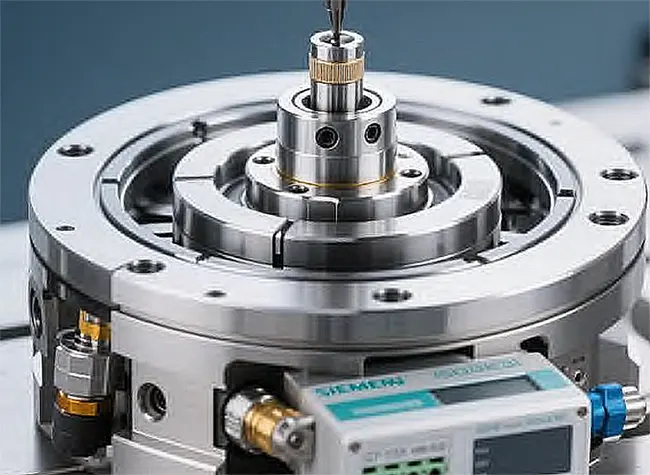
The broaching process is typically performed on a vertical or horizontal broaching machine. The workpiece is securely clamped in place, and the broach is inserted into the machine.
The broach is then moved through the workpiece, either by pulling it through or pushing it through, depending on the type of broaching machine.
As the broach moves through the workpiece, each tooth of the broach removes a small amount of material, gradually cutting away the desired shape or feature.
The broach may have multiple teeth of varying sizes and shapes to remove material at different stages of the process.
Types of Broaching
There are several types of broaching processes that are commonly used in CNC machining:
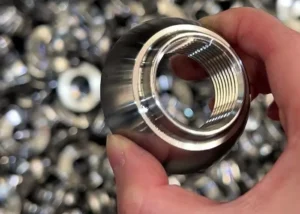
– Internal broaching: This process is used to create internal features, such as keyways, splines, and holes, in a workpiece.
– External broaching: This process is used to create external features, such as grooves, slots, and keyways, on the surface of a workpiece.
– Surface broaching: This process is used to remove material from the surface of a workpiece to create a desired shape or feature.
– Specialty broaching: This process includes other types of broaching, such as rotary broaching, pot broaching, and continuous broaching, which are used for specific applications.
Advantages of Broaching
Broaching offers several advantages over other machining processes:
– High precision: Broaching can produce precise shapes and features with tight tolerances, making it ideal for producing complex parts.
– Efficiency: Broaching is a fast and efficient process that can save time and resources compared to other machining techniques.
– Versatility: Broaching can be used to create a wide range of shapes and features, making it a versatile machining process.
– Cost-effective: Broaching can be a cost-effective solution for producing complex parts in large quantities.
Applications of Broaching
Broaching is used in a variety of industries and applications, including:
– Automotive industry: Broaching is used to create keyways, splines, and other internal features in automotive components.
– Aerospace industry: Broaching is used to create precise shapes and features in aerospace components, such as turbine blades and engine parts.
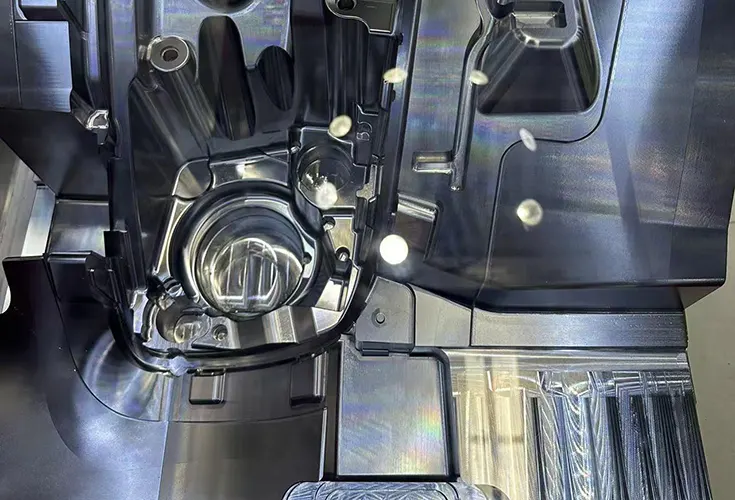
– Tool and die industry: Broaching is used to create molds, dies, and other tooling components with high precision.
– Medical industry: Broaching is used to create surgical instruments and other medical devices with complex shapes and features.
Conclusion
Broaching is a versatile and efficient machining process that is widely used in the manufacturing industry.
With its ability to produce precise shapes and features with tight tolerances, broaching is an essential tool for producing complex parts in a cost-effective manner.
By understanding the basics of broaching and its applications, engineers can leverage this machining process to achieve superior results in their manufacturing operations.