What is a CNC axis?
TonZaMaking
Understanding CNC Axis
Computer Numerical Control (CNC) machines have revolutionized the manufacturing industry by automating processes that were once done manually. One crucial aspect of CNC machines is the concept of CNC axes.
What is a CNC Axis?
A CNC axis is a direction along which a machine tool operates to perform various movements. In CNC machining, axes are used to control the motion of the cutting tool in multiple directions, allowing for intricate and precise part production.
The number of axes a CNC machine has determines the complexity of the machining operations it can perform.
Types of CNC Axes
There are several types of CNC axes commonly used in CNC machines. The most common are:
- X-Axis: The X-axis is the horizontal axis that moves the tool from left to right.
- Y-Axis: The Y-axis is the vertical axis that moves the tool from front to back.
- Z-Axis: The Z-axis is the vertical axis that moves the tool up and down.
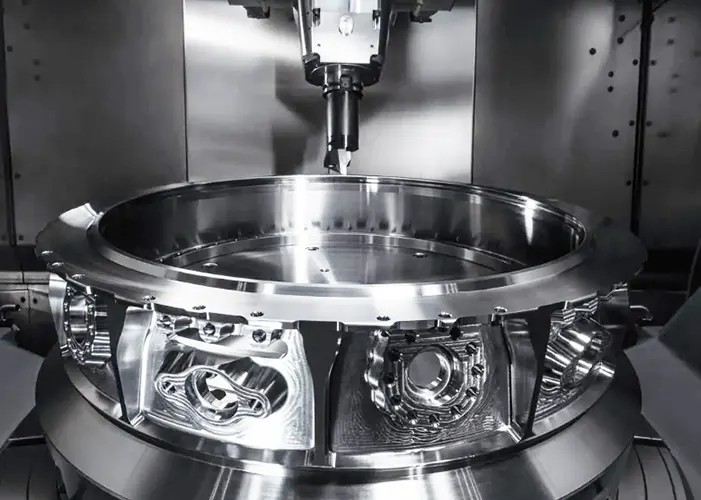
In addition to these primary axes, CNC machines can also have additional axes, known as rotational or angular axes. These axes allow for more complex machining operations by tilting or rotating the workpiece or cutting tool.
How CNC Axes Work
CNC axes are driven by motors that receive commands from the CNC controller.
The controller interprets the part program, which contains instructions on how the tool should move, and sends signals to the motors to move the axes accordingly.
Each axis is equipped with a linear or rotary actuator that translates the electrical signals into mechanical motion.
For example, when a CNC machine is instructed to cut a circle, the controller coordinates the movements of the X and Y axes to trace the shape of the circle.
The Z-axis controls the depth of the cut, allowing for precise machining operations. By synchronizing the movements of multiple axes, CNC machines can create complex geometries with high accuracy.
Importance of CNC Axes
The number and types of axes a CNC machine has directly impact its capabilities and the complexity of parts it can produce.
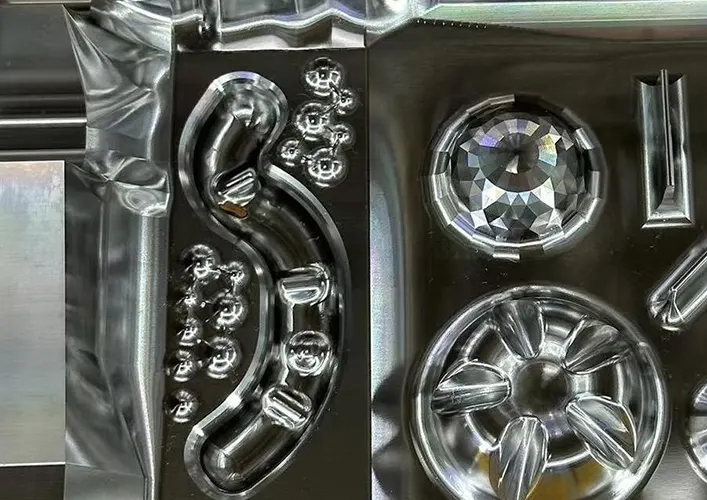
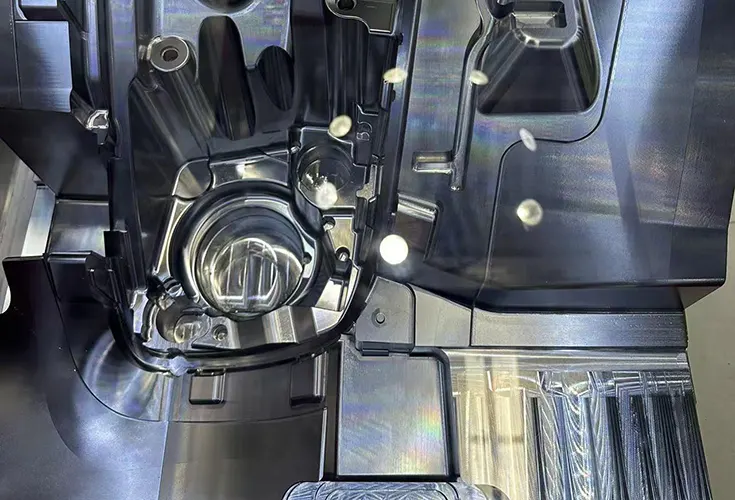
Machines with more axes can perform multi-axis machining operations, enabling features such as undercuts, contours, and complex curves that would be challenging or impossible to achieve with fewer axes.
Additionally, CNC axes play a crucial role in achieving high precision and repeatability in manufacturing processes.
By controlling the movements of the cutting tool in multiple directions simultaneously, CNC machines can produce parts with tight tolerances and intricate details consistently.
Conclusion
In conclusion, CNC axes are an essential component of CNC machines that enable precise and complex machining operations.
By understanding the different types of axes and how they work together, manufacturers can leverage CNC technology to produce high-quality parts efficiently.
As technology continues to advance, CNC machines with more axes and capabilities will further expand the possibilities of automated manufacturing.