What are machine beds?
TonZaMaking
Introduction
Machine beds play a crucial role in the design and functionality of various manufacturing machines. They provide a stable and rigid foundation for the machine components, ensuring smooth operation and accurate machining.
As engineers with a manufacturing background, it is important to understand the significance of machine beds and how they contribute to the overall performance of the equipment.
What are Machine Beds?
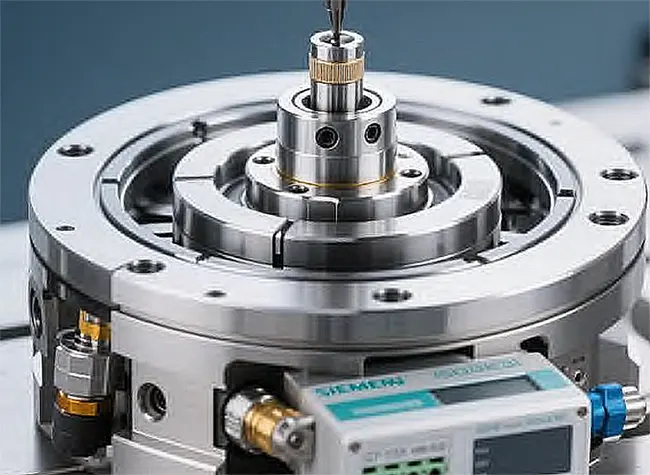
Machine beds are structural components of a machine tool that support the machine components such as the spindle, worktable, and cutting tools.
They are typically made of high-quality materials such as cast iron, steel, or granite to provide stability, rigidity, and vibration dampening properties.
Machine beds are designed to withstand the forces generated during machining operations and minimize deflection to maintain dimensional accuracy.
Types of Machine Beds
There are several types of machine beds commonly used in manufacturing machines, each tailored to specific applications and requirements. Some of the most common types include:
- Cast Iron Beds: Cast iron is a popular choice for machine beds due to its excellent dampening properties and high stiffness. It is widely used in machines such as lathes, milling machines, and grinders.
- Steel Beds: Steel machine beds offer high tensile strength and durability, making them suitable for heavy-duty machining applications. They are commonly found in machining centers and CNC machines.
- Granite Beds: Granite machine beds provide superior damping characteristics and thermal stability, making them ideal for precision machining operations. They are commonly used in metrology equipment and high-precision machines.
Key Features of Machine Beds
Machine beds are designed with several key features to ensure optimal performance and reliability. Some of the key features include:
Rigidity: Engineers build machine beds to be rigid and sturdy to minimize vibrations and deflection during machining, ensuring high precision and accuracy.
Damping Properties: Designers create machine beds to absorb vibrations and dampen noise during machining, resulting in smoother operation and better surface finish.
Thermal Stability: Manufacturers use materials with high thermal stability to build machine beds and reduce the impact of temperature fluctuations on machining accuracy.
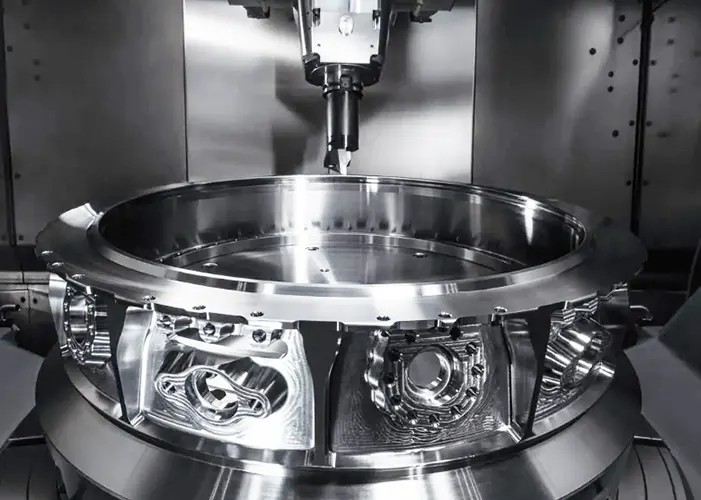
Precision Machining: Machinists machine the beds to tight tolerances to ensure alignment and flatness, enabling high-precision machining operations.
Benefits of Using Quality Machine Beds
Investing in quality machine beds can offer several benefits to manufacturers, including:
- Improved Accuracy: Quality machine beds provide a stable and rigid platform for machine components, resulting in improved machining accuracy and part quality.
- Enhanced Productivity: Machine beds with high damping properties can reduce machining vibrations, leading to faster machining speeds and improved material removal rates.
- Extended Tool Life: By minimizing vibrations and deflection, quality machine beds can help prolong the life of cutting tools and reduce tool wear.
- Reduced Downtime: Machine beds that are designed for durability and stability can help reduce machine downtime and maintenance costs, resulting in increased productivity.
Conclusion
Machine beds are essential components of manufacturing machines that provide stability, rigidity, and precision for machining operations.
By understanding the different types of machine beds, key features, and benefits of using quality machine beds, engineers can optimize the performance of their equipment and achieve more efficient and accurate machining processes.