
What is insert in CNC machining?
TonZaMaking
Introduction
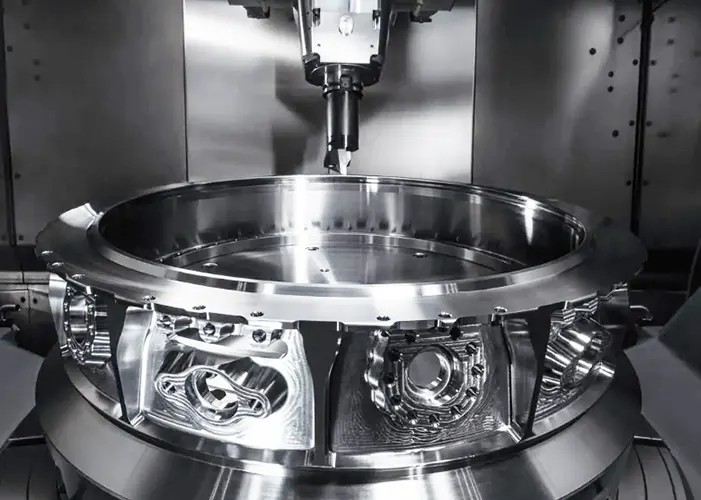
CNC machining is a widely used manufacturing process in which computer numerical control (CNC) systems drive machines to produce precise, complex parts and components.
In this process, computer programs control tools such as drills, lathes, and milling cutters to accurately cut, shape, and finish a wide range of materials.
One crucial aspect of CNC machining is the use of inserts, which play a vital role in the cutting process.
What are Inserts in CNC Machining?
In CNC machining, inserts are replaceable cutting tools used in CNC machines to perform a wide range of cutting operations on workpieces.
Manufacturers typically produce these inserts from hard materials such as carbide, ceramic, or high-speed steel, and offer them in various shapes and sizes to match specific cutting applications.
Engineers design inserts for easy replacement when they become dull or damaged, enabling fast, efficient tool changes and minimizing downtime during the machining process.
Role of Inserts in CNC Machining
Inserts play a crucial role in CNC machining by providing the cutting edge that comes into contact with the workpiece during the cutting process.
These cutting edges are designed to be sharp and durable to ensure that they can effectively machine different materials with precision and accuracy.
Inserts are specially engineered to withstand the high speeds and feeds used in CNC machining, allowing for efficient material removal and improved cutting performance.
Types of Inserts in CNC Machining
There are several types of inserts that are commonly used in CNC machining, each with its unique characteristics and applications. Some of the most common types of inserts include:
- Turning inserts: Used for turning operations on lathes to create cylindrical or conical shapes
- Milling inserts: Used for milling operations to cut grooves, slots, and contours in workpieces
- Drilling inserts: Used for drilling operations to create holes in workpieces
- Threading inserts: Used for creating threads on workpieces
Each type of insert is designed for specific cutting operations and materials, and selecting the right insert is crucial for achieving optimal machining results.
Factors to Consider When Choosing Inserts
When choosing inserts for CNC machining, several factors need to be taken into consideration to ensure that the right insert is selected for the job. Some of the key factors to consider include:
- Material: The type of material being machined, such as steel, aluminum, or stainless steel, will influence the choice of insert material
- Cutting speed and feed rate: The cutting parameters used in the machining process will determine the insert’s coating and geometry
- Workpiece geometry: The shape and size of the workpiece will impact the insert’s design and cutting edge
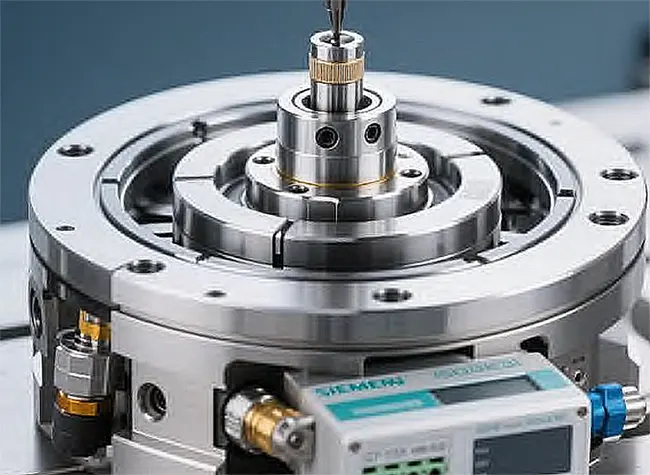
- Tool-holder compatibility: The insert must be compatible with the tool holder on the CNC machine
By considering these factors, manufacturers can select the most suitable inserts for their specific machining applications, ensuring optimal performance and efficiency.
Benefits of Using Inserts in CNC Machining
There are several benefits to using inserts in CNC machining, including:
- Improved tool life: Inserts are designed to be highly durable, providing long tool life and reducing tool replacement costs
- Enhanced cutting performance: Inserts offer superior cutting performance, resulting in faster machining speeds and higher productivity
- Cost-effective tooling: Inserts provide a cost-effective solution for machining operations because operators can replace them individually without replacing the entire tool.
- Customizable options: Inserts come in a wide range of shapes, sizes, and materials, allowing for customization based on specific machining requirements
Overall, inserts provide a versatile and efficient tooling solution for CNC machining, offering a range of advantages that contribute to improved machining outcomes.
Conclusion
Inserts play a vital role in CNC machining, providing the cutting edge necessary to perform a variety of cutting operations on workpieces.
By understanding the different types of inserts available, as well as the factors to consider when selecting inserts, manufacturers can optimize their machining processes and achieve superior results.
With their durability, precision, and cost-effective benefits, inserts have become indispensable tools in the manufacturing industry, driving innovation and efficiency in CNC machining operations.