
What is step-down in CNC machining?
TonZaMaking
What is Step-Down in CNC Machining?
In the world of CNC machining, there are various terms and techniques that engineers and manufacturers come across on a regular basis.
One such term is “step-down”, which plays a crucial role in achieving precision and efficiency in the machining process.
Understanding Step-Down in CNC Machining
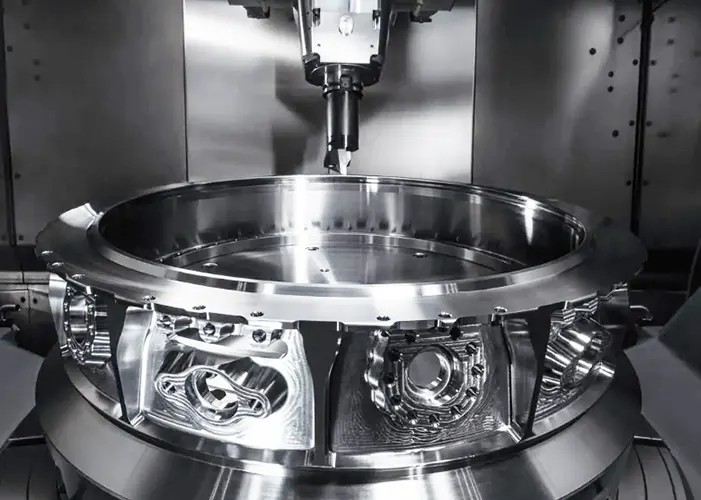
Step-down in CNC machining refers to the incremental depth by which a cutting tool descends into the material being machined during each pass. This incremental movement allows for the removal of material in layers, ensuring smooth and precise cuts.
The step-down value is usually programmed into the CNC machine’s software and can be adjusted based on the material being machined, the type of cutting tool being used, and the desired finish of the final product.
Role of Step-Down in CNC Machining
Step-down plays a crucial role in the overall machining process. By controlling the depth of each pass, manufacturers can achieve a higher level of precision and accuracy in the final product.
This is particularly important when working with materials that are prone to chipping or tearing, as a shallow step-down can help prevent such issues and ensure a smoother finish.
Additionally, using an appropriate step-down value can also help extend the life of cutting tools, as it helps distribute the cutting forces evenly and reduces the risk of tool wear and breakage.
Importance of Step-Down in CNC Machining
When it comes to CNC machining, precision is key. The ability to control the depth of each pass with step-down allows manufacturers to produce complex parts with tight tolerances and smooth finishes.
By adjusting the step-down value based on the specific requirements of a job, engineers can optimize the machining process for efficiency and accuracy.
This results in higher quality parts, reduced scrap rates, and ultimately, cost savings for the manufacturing company.
Best Practices for Using Step-Down in CNC Machining
When implementing step-down in CNC machining, there are a few best practices that engineers and manufacturers should keep in mind.
Firstly, it is important to consider the material being machined and select an appropriate step-down value that balances material removal rate with tool life and surface finish.
Additionally, regular inspection of cutting tools and adjustment of step-down values as needed can help maintain the efficiency and quality of the machining process.
Finally, staying up to date with the latest advancements in CNC machining technology and tooling can help optimize step-down strategies for better results.
Conclusion
Step-down in CNC machining is a critical parameter that influences the precision, efficiency, and quality of the machining process.
By understanding how step-down works and implementing best practices for its use, engineers and manufacturers can achieve superior results in their machining operations.
With the right tools, techniques, and knowledge, step-down can be leveraged to produce high-quality parts with tight tolerances and smooth finishes, ultimately driving success in the manufacturing industry.