
What are the challenges in programming complex movements for a multi-axis CNC machine?
TonZaMaking
The Challenges in Programming Complex Movements for a Multi-Axis CNC Machine
Programming complex movements for a multi-axis CNC machine can be a daunting task for engineers with a manufacturing background. The intricacies involved in ensuring precise and accurate motion across multiple axes require careful planning and execution.
Understanding the Basics of Multi-Axis CNC Machines
Before delving into the challenges of programming complex movements, it is essential to understand the basics of multi-axis CNC machines.
These machines are capable of moving along multiple axes simultaneously, allowing for greater flexibility and precision in manufacturing processes.
The most common types of multi-axis CNC machines include 3-axis, 4-axis, and 5-axis machines, each offering varying degrees of movement and complexity.
1. Coordination of Multiple Axes
One of the primary challenges in programming complex movements for a multi-axis CNC machine is coordinating the motion of multiple axes.
Each axis must move in sync with the others to ensure precise and accurate positioning of the tool or workpiece. Any deviation in the movement of one axis can result in errors in the final product, leading to scrap and rework.
To overcome this challenge, engineers must carefully plan the sequence of movements for each axis and account for any potential interference or collisions.
Using simulation and modeling software can help visualize the movement of each axis and identify any issues before execution.
2. Toolpath Optimization
Another challenge in programming complex movements for a multi-axis CNC machine is toolpath optimization. The toolpath refers to the trajectory that the cutting tool follows as it moves across the workpiece.
To achieve optimal cutting performance and surface finish, engineers must carefully plan the toolpath and consider factors such as cutting forces, tool wear, and material properties.
Optimizing the toolpath for a multi-axis CNC machine can be complex, as it requires accounting for the movement of multiple axes simultaneously. Engineers must consider factors such as axis limits, tool orientation, and feed rates to ensure smooth and efficient cutting operations.
3. Programming Advanced Machining Strategies
As multi-axis CNC machines offer greater flexibility in machining operations, engineers often face the challenge of programming advanced machining strategies.
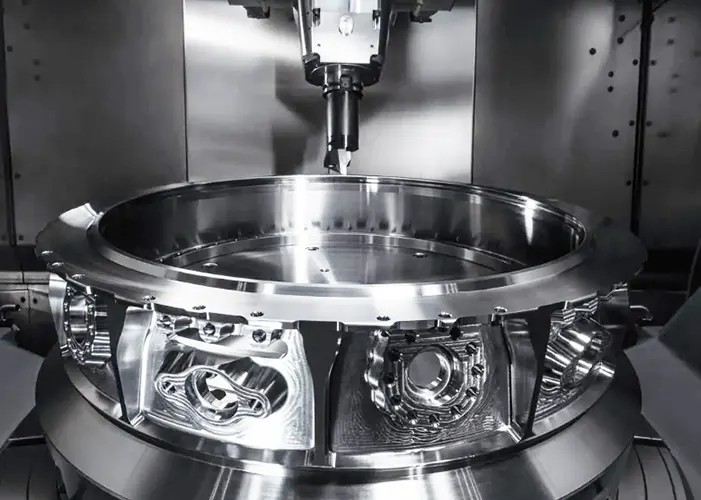
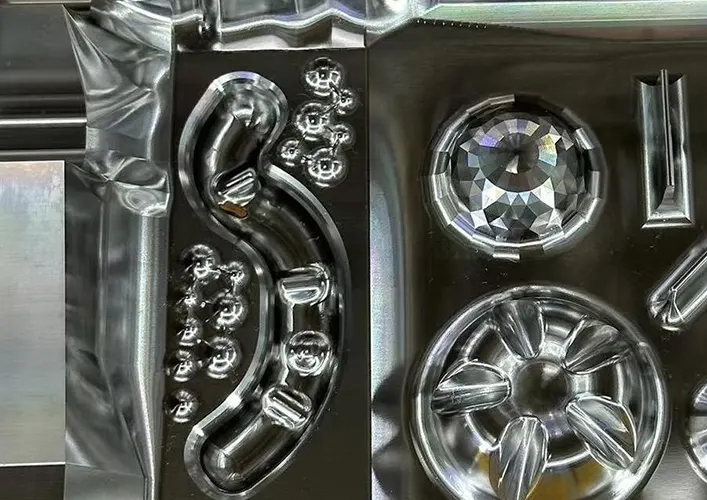
These strategies, such as 3D contouring, 5-axis simultaneous machining, and complex surface milling, require precise coordination of multiple axes to achieve the desired result.
To overcome this challenge, engineers must have a deep understanding of the machine’s capabilities and limitations. They must also be proficient in programming languages such as G-code and CAM software to generate toolpaths for complex movements.
Training and experience play a crucial role in mastering advanced machining strategies on multi-axis CNC machines.
4. Calibration and Maintenance
Calibration and maintenance of a multi-axis CNC machine are essential for ensuring accurate and repeatable movements.
Any inaccuracies or wear in the machine’s components can result in deviations in the final product, leading to quality issues and rework. Engineers must regularly calibrate and maintain the machine to ensure optimal performance.
Calibrating a multi-axis CNC machine involves adjusting parameters such as axis alignment, tool offsets, and backlash compensation.
Regular maintenance tasks include lubrication, cleaning, and inspection of critical components. By staying proactive in calibration and maintenance, engineers can mitigate the risk of errors in programming complex movements.
Conclusion
Programming complex movements for a multi-axis CNC machine presents a unique set of challenges for engineers with a manufacturing background.
From coordinating multiple axes to optimizing toolpaths and programming advanced machining strategies, engineers must overcome various obstacles to achieve precise and efficient machining operations.
By understanding the basics of multi-axis CNC machines, staying proactive in calibration and maintenance, and continuously improving their programming skills, engineers can successfully navigate the complexities of programming complex movements for multi-axis CNC machines.