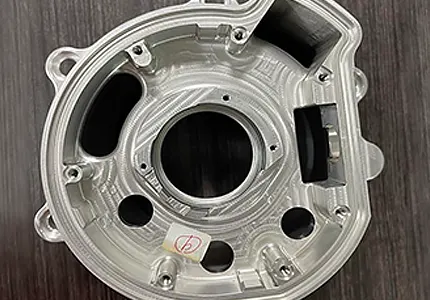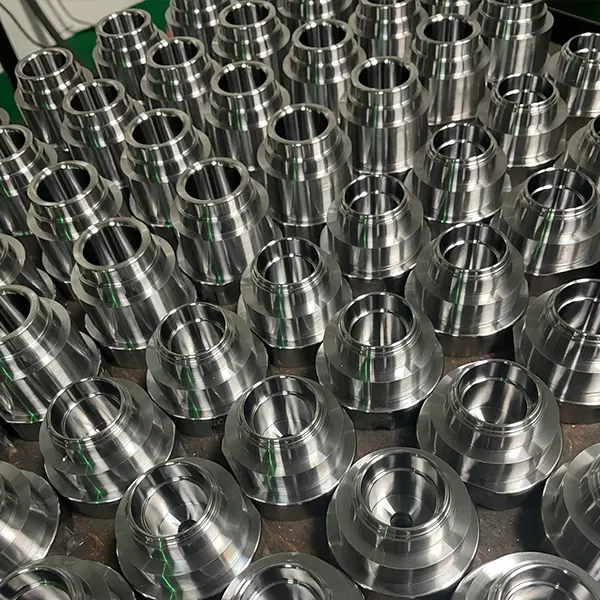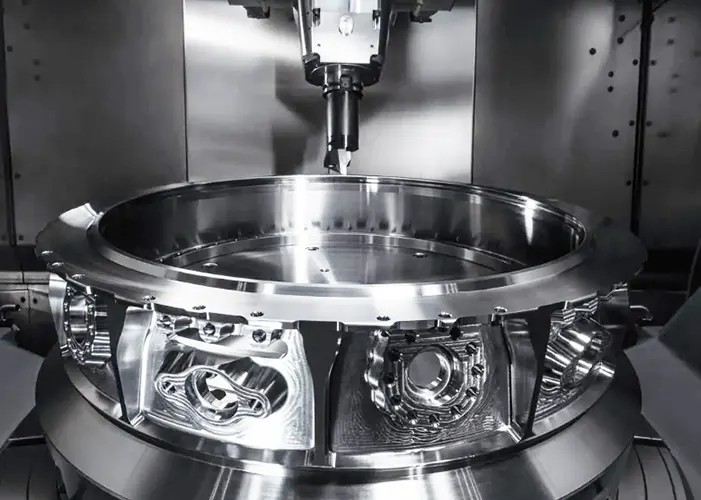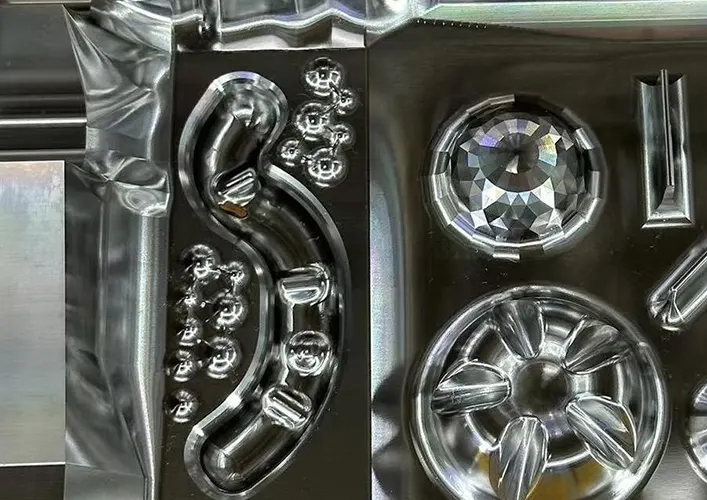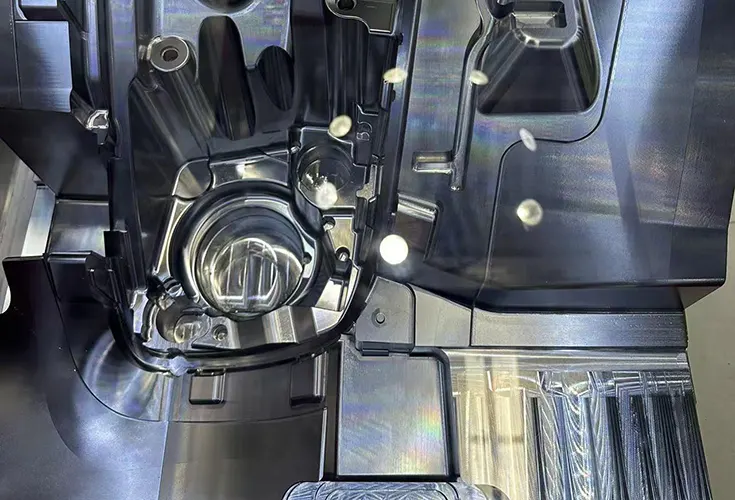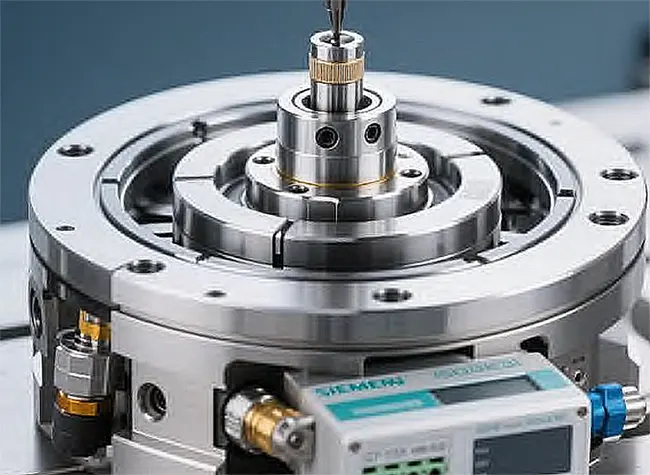

How does the precision of the axis system in a CNC machine influence the final product quality?
TonZaMaking
The Influence of Axis System Precision in CNC Machines on Final Product Quality
Welcome, esteemed engineers with a background in manufacturing! Today, we are delving into the fascinating world of Computer Numerical Control (CNC) machines and how the precision of their axis systems directly impacts the quality of the final products they produce.
As you are well aware, CNC machines are vital tools in modern manufacturing processes, enabling the creation of intricate and precise components across a wide range of industries.
Understanding the Axis System in CNC Machines
Before we delve into the specifics of how the precision of the axis system affects product quality, let us first familiarize ourselves with the concept of the axis system in CNC machines.
In a CNC machine, the axis system refers to the coordinated system of axes along which the cutting tool or workpiece can move. Typically, CNC machines operate along three primary axes:
- X-Axis: Horizontal axis that runs from left to right
- Y-Axis: Vertical axis that runs from front to back
- Z-Axis: Vertical axis that runs up and down
These axes enable the CNC machine to move the cutting tool or workpiece with precision and accuracy, allowing for the creation of complex geometries and intricate designs. The precision of the axis system is crucial in ensuring that the final product meets the desired specifications and quality standards.
The Importance of Axis System Precision
Now that we understand the basics of the axis system in CNC machines, let us explore why precision in this system is of paramount importance.
The precision of the axis system directly impacts several key aspects of the manufacturing process and ultimately determines the quality of the final product. Here are some of the ways in which axis system precision influences product quality:
Dimensional Accuracy
One of the primary factors affected by the precision of the axis system is the dimensional accuracy of the final product.
The axis system dictates how accurately the cutting tool can move along the specified coordinates, ensuring that the dimensions of the finished product match the design specifications.
A lack of precision in the axis system can result in dimensional errors and deviations from the intended dimensions, leading to subpar product quality.
Surface Finish
The precision of the axis system also plays a crucial role in determining the surface finish of the final product.
A precise axis system ensures that the cutting tool follows the desired path with minimal deviation, resulting in a smooth and uniform surface finish.
On the other hand, a lack of precision can lead to inconsistencies in the surface finish, including rough patches, tool marks, and other imperfections that can compromise the quality of the product.
Tolerance Control
Precision in the axis system is essential for maintaining tight tolerance control during the manufacturing process.
Tolerances specify the allowable variations in dimensions, geometry, or other properties of a part, and ensuring that these tolerances are met is crucial for producing high-quality components.
The axis system must be precise enough to accurately position the cutting tool and workpiece within the specified tolerances, preventing deviations that could result in non-conforming parts.
Repeatability and Consistency
Another critical aspect influenced by the precision of the axis system is the repeatability and consistency of the manufacturing process.
A precise axis system enables the CNC machine to consistently reproduce the same results with minimal variation, ensuring that each part produced meets the same high standards of quality.
Consistency in the manufacturing process is essential for meeting customer requirements, maintaining quality control, and optimizing efficiency.
Tool Wear and Longevity
The precision of the axis system also impacts the wear and longevity of the cutting tools used in the CNC machine.
A precise axis system ensures that the cutting tool operates along the intended path, minimizing unnecessary wear and extending the tool’s lifespan.
In contrast, a lack of precision can cause the cutting tool to experience increased friction, vibration, and wear, leading to premature tool failure and potentially affecting the quality of the final product.
Maximizing Axis System Precision for Optimal Product Quality
Given the critical role that axis system precision plays in determining the quality of the final product, it is essential for manufacturers to take steps to maximize this precision.
Here are some strategies to help optimize axis system precision and enhance product quality:
Regular Maintenance and Calibration
Ensuring that the CNC machine’s axis system is regularly maintained and calibrated is essential for maintaining precision and accuracy.
Regular maintenance tasks, such as cleaning, lubricating, and inspecting the axis components, can help prevent wear and degradation that could affect performance.
Additionally, periodic calibration of the axis system can correct any deviations or errors, ensuring that the machine operates with optimal precision.
High-Quality Components and Materials
Investing in high-quality components and materials for the axis system can also help enhance precision and ensure consistent performance.
Durable materials, such as hardened steel or precision-ground components, can help minimize wear and maintain dimensional stability over time.
High-quality bearings, guides, and drive systems can also contribute to smoother motion and improved accuracy in the axis system.
Advanced Control Systems and Software
Utilizing advanced control systems and software can further enhance the precision of the axis system and optimize the manufacturing process.
Modern CNC machines are equipped with sophisticated control systems that allow for real-time monitoring, feedback, and correction of the cutting tool’s position and movement.
By leveraging these capabilities, manufacturers can ensure that the axis system operates with maximum precision and efficiency.
Operator Training and Skill Development
Investing in operator training and skill development is crucial for maximizing the precision of the axis system and achieving optimal product quality.
Well-trained operators understand how to properly set up, program, and operate the CNC machine to ensure accurate and consistent results.
By providing ongoing training and opportunities for skill development, manufacturers can empower their operators to maintain high standards of precision and quality in the manufacturing process.
Conclusion
In conclusion, the precision of the axis system in a CNC machine is a critical factor that significantly influences the quality of the final product.
By ensuring that the axis system operates with precision and accuracy, manufacturers can achieve dimensional accuracy, uniform surface finish, tight tolerance control, repeatability, and tool longevity.
To maximize axis system precision and optimize product quality, manufacturers should prioritize regular maintenance, invest in high-quality components, leverage advanced control systems, and provide comprehensive operator training.
By following these recommendations, manufacturers can enhance the performance of their CNC machines and deliver high-quality products that meet the exacting standards of their customers.