How to properly maintain a worktable milling machine to ensure its long-term stable operation?
TonZaMaking
Introduction
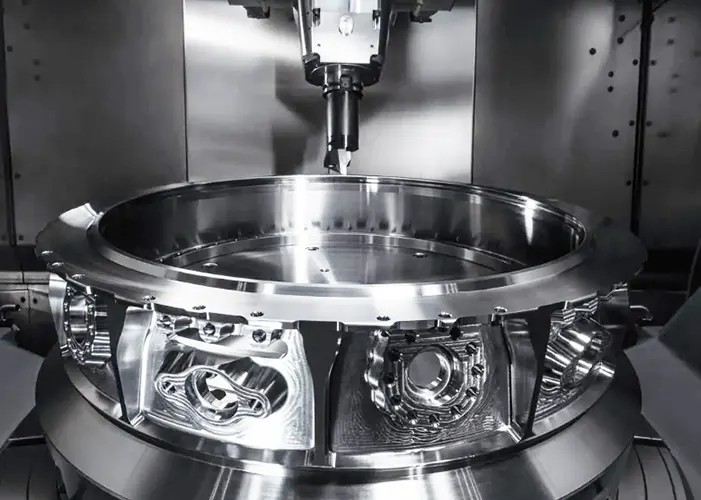
In manufacturing environments, worktable milling machines are essential for creating precise and complex parts. These machines play a crucial role in the production process, and their proper maintenance is vital to ensuring their long-term stable operation.
Importance of Proper Maintenance
Proper maintenance of a worktable milling machine is essential for several reasons.
Firstly, regular maintenance helps prevent unexpected breakdowns, which can disrupt production schedules and lead to costly downtime.
Secondly, maintenance ensures that the machine operates at optimal efficiency, resulting in higher quality parts and improved productivity.
Lastly, proper maintenance can extend the machine’s lifespan, saving money on costly repairs and replacement parts.
Understanding the Components of a Worktable Milling Machine
Before delving into the maintenance procedures, it is essential to understand the various components of a worktable milling machine.
These include the worktable, spindle, cutting tool, feed controls, and coolant system. Each of these components plays a crucial role in the machine’s operation and must be properly maintained to ensure smooth performance.
Maintenance Schedule
Creating a regular maintenance schedule is key to keeping a worktable milling machine in optimal condition. Depending on the machine’s usage and operating environment, maintenance tasks may need to be performed daily, weekly, monthly, or annually.
It is essential to follow the manufacturer’s recommendations for maintenance intervals and procedures to ensure the machine’s long-term stability.
Daily Maintenance Tasks
On a daily basis, the following maintenance tasks should be performed:
- Inspect the machine for any signs of wear or damage
- Check and refill coolant levels if necessary
- Clean chips and debris from the worktable and surrounding area
- Check lubrication levels and top up as needed
Weekly Maintenance Tasks
On a weekly basis, the following maintenance tasks should be performed:
- Inspect and clean the cutting tool for wear or damage
- Inspect and adjust the worktable alignment if necessary
- Check and clean the spindle taper
- Inspect the feed controls for proper operation
Monthly Maintenance Tasks
On a monthly basis, the following maintenance tasks should be performed:
- Check and adjust the backlash in the feed screws
- Inspect the feed gearboxes for signs of wear or damage
- Clean and lubricate the feed screw and nut
- Check the electrical connections for any loose or corroded wires
Annual Maintenance Tasks
On an annual basis, the following maintenance tasks should be performed:
- Inspect and replace any worn or damaged belts
- Inspect and replace the spindle bearings if necessary
- Clean and inspect the electrical components for signs of wear
- Perform a comprehensive inspection of the entire machine for any potential issues
Proper Lubrication
Proper lubrication is essential for the smooth operation of a worktable milling machine. Each machine has specific lubrication points that need to be regularly checked and topped up with the appropriate lubricant.
Over-lubrication can be just as detrimental as under-lubrication, so it is essential to follow the manufacturer’s recommendations for lubrication intervals and quantities.
Environmental Considerations
The operating environment of a worktable milling machine can have a significant impact on its performance and longevity. Dust, debris, temperature fluctuations, and humidity levels can all affect the machine’s components and overall operation.
It is essential to keep the machine’s surroundings clean and free of contaminants, as well as maintain a consistent temperature and humidity level to ensure optimal performance.
Conclusion
In conclusion, proper maintenance of a worktable milling machine is essential for ensuring its long-term stable operation.
By creating a regular maintenance schedule, performing daily, weekly, monthly, and annual maintenance tasks, and paying attention to lubrication and environmental considerations, you can maximize the machine’s performance and longevity.
Remember to follow the manufacturer’s recommendations and consult with maintenance professionals when needed to keep your worktable milling machine running smoothly for years to come.