
What is a face mill cutter?
TonZaMaking
What is a Face Mill Cutter
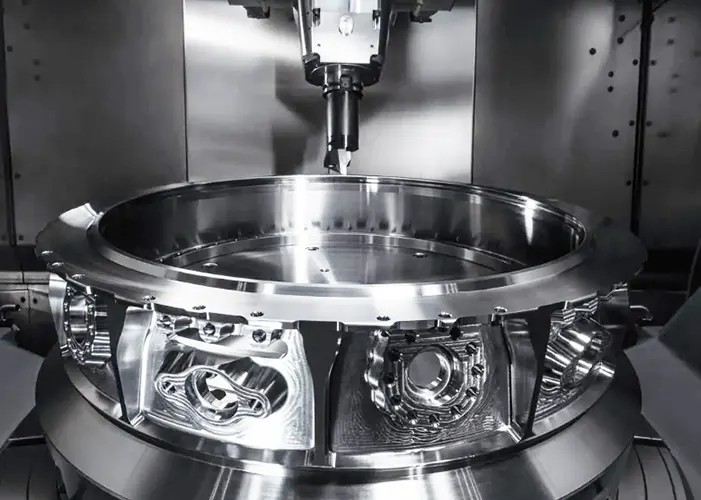
A face mill cutter is a type of milling cutter that is primarily used in the manufacturing industry for cutting flat surfaces on a workpiece. It is a versatile tool that can perform a variety of machining operations, such as facing, contouring, pocketing, and slotting.
Face mill cutters are commonly used in milling machines and machining centers to remove material from the surface of a workpiece.
The Components of a Face Mill Cutter
A typical face mill cutter consists of the following components:
- Body: The main body of the face mill cutter, which holds the insert and provides stability during cutting operations.
- Insert: The cutting tool that is mounted on the body of the face mill cutter. Inserts are typically made of carbide or high-speed steel and are available in a variety of shapes and sizes for different cutting applications.
- Shank: The part of the face mill cutter that is mounted on the spindle of the milling machine. The shank is designed to provide stability and support during cutting operations.
- Flutes: The grooves on the face mill cutter that allow for the evacuation of chips during cutting operations. The number of flutes can vary depending on the type of cutting operation being performed.
Types of Face Mill Cutters
There are several different types of face mill cutters available, each designed for specific machining applications:
- Shell Mill: A type of face mill cutter that is used for general-purpose machining operations. Shell mills are versatile and can be used for facing, contouring, pocketing, and slotting.
- Indexable Insert Face Mill: A face mill cutter that uses indexable inserts for cutting operations. Indexable inserts can be rotated or replaced when worn out, making them cost-effective and efficient.
- High Feed Face Mill: A face mill cutter with a high feed rate, designed for high-speed machining operations. High feed face mills are capable of removing material quickly and efficiently.
- 90-Degree Face Mill: A face mill cutter with a 90-degree cutting edge, ideal for creating square shoulders and slots on a workpiece.
Benefits of Using a Face Mill Cutter
There are several benefits to using a face mill cutter for machining operations:
- High Productivity: Face mill cutters are capable of removing material quickly and efficiently, leading to increased productivity in manufacturing operations.
- Versatility: Face mill cutters can perform a wide range of machining operations, making them versatile tools for various applications.
- Cost-Effective: Indexable inserts on face mill cutters can be replaced or rotated when worn out, reducing tooling costs in the long run.
- Improved Surface Finish: Face mill cutters are capable of producing smooth and precise surface finishes on workpieces, reducing the need for additional finishing operations.
Conclusion
Face mill cutters are essential tools in the manufacturing industry for cutting flat surfaces on workpieces. They are versatile, cost-effective, and capable of producing high-quality surface finishes.
By understanding the components and types of face mill cutters available, engineers with a manufacturing background can choose the right tool for their machining applications and improve productivity in their operations.